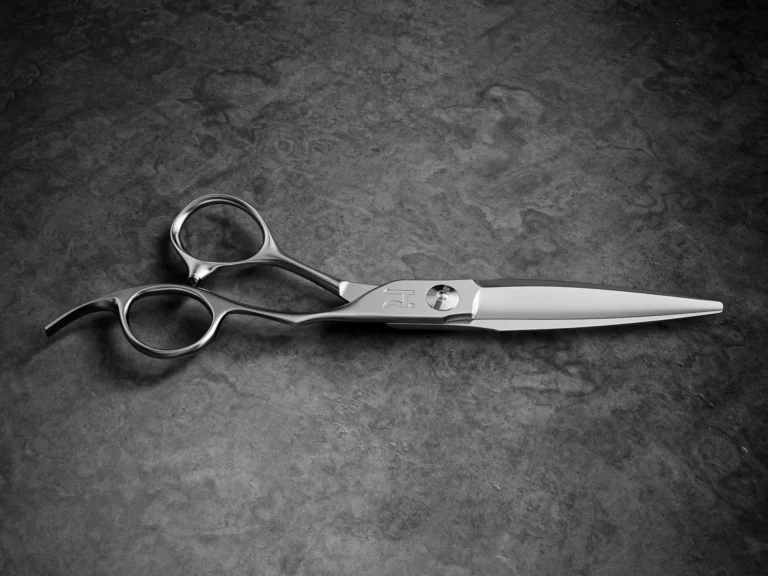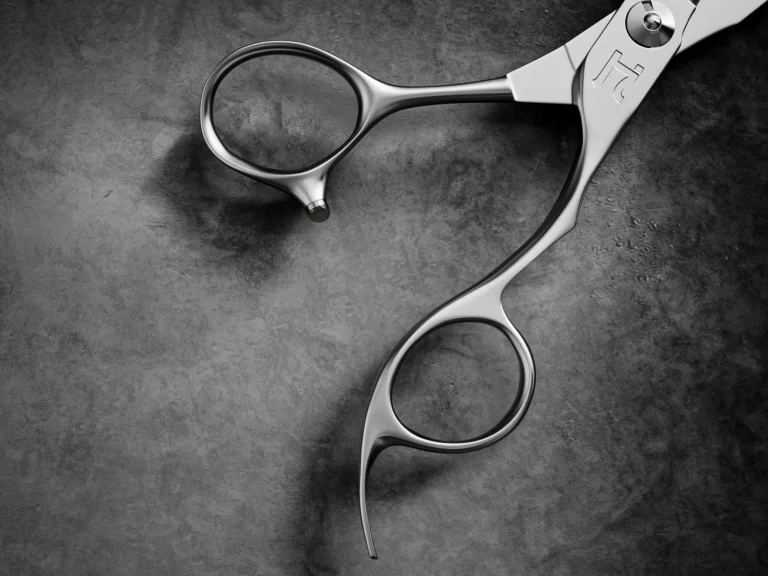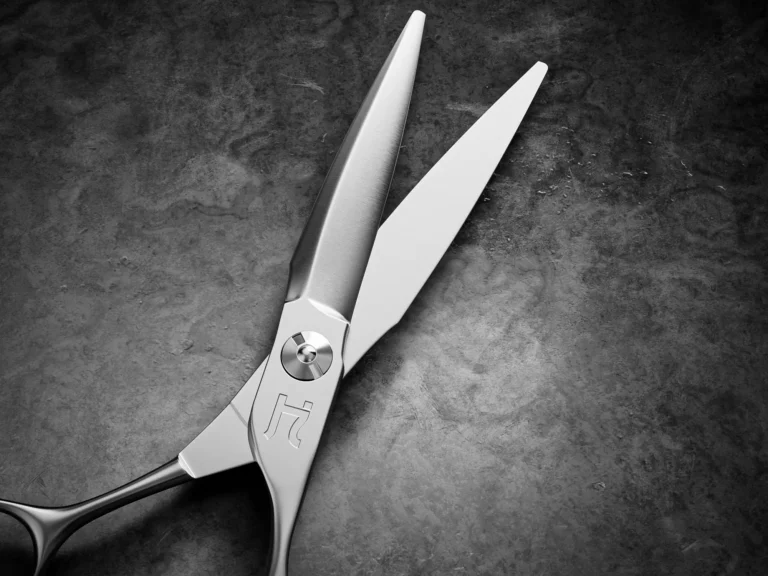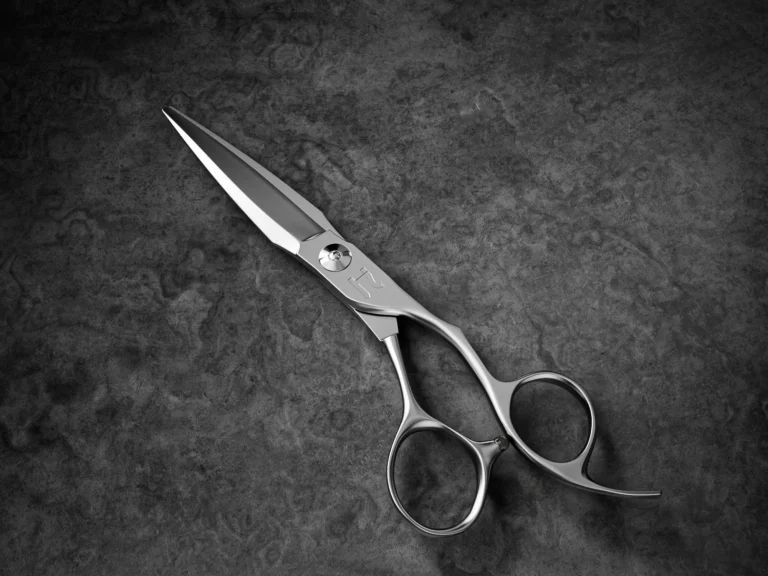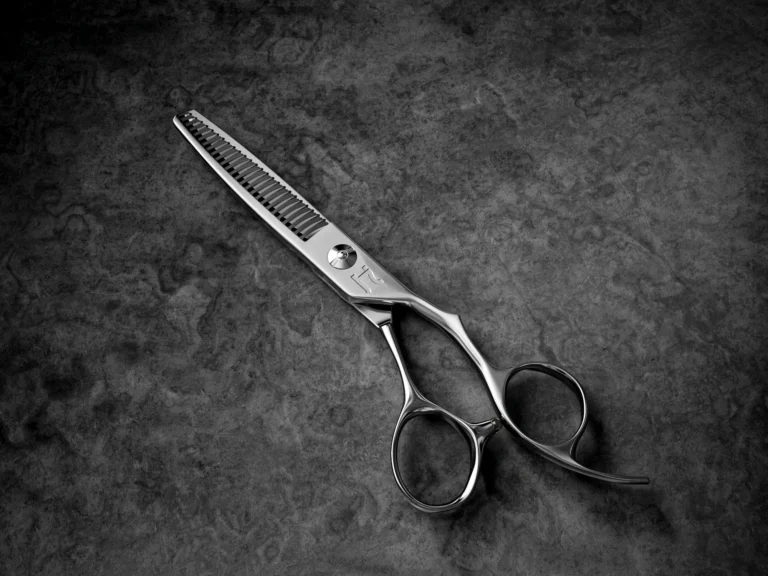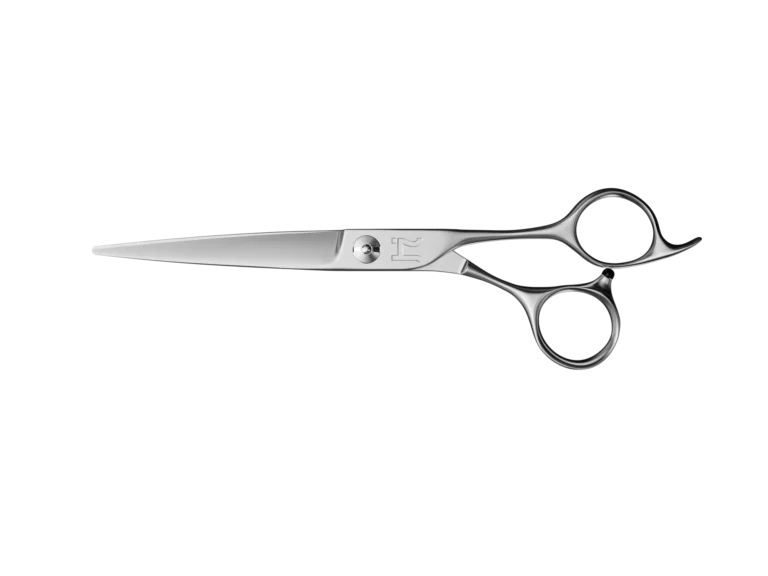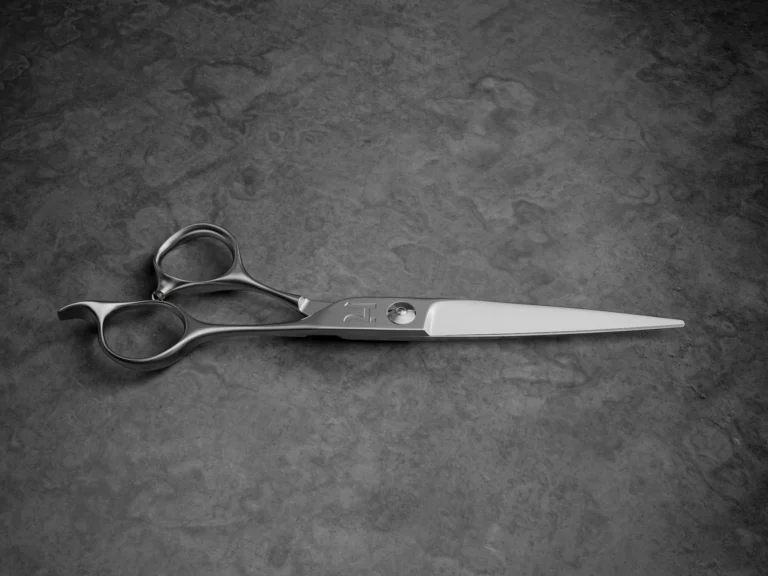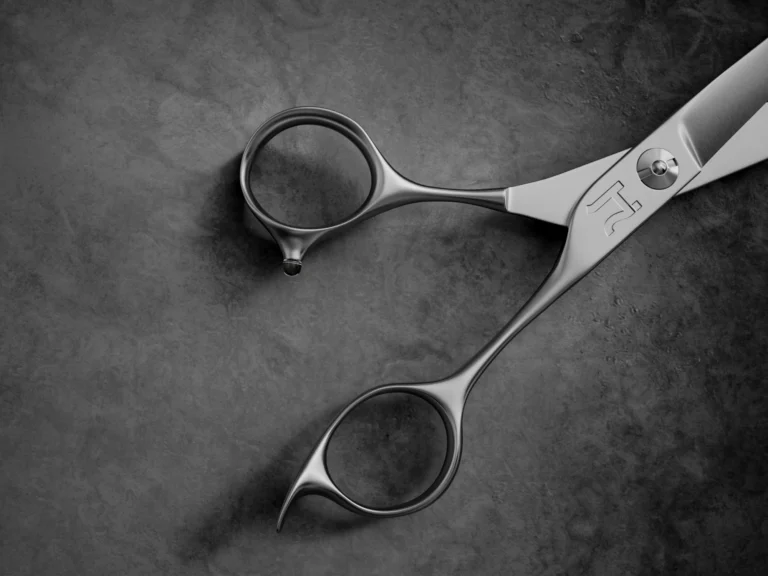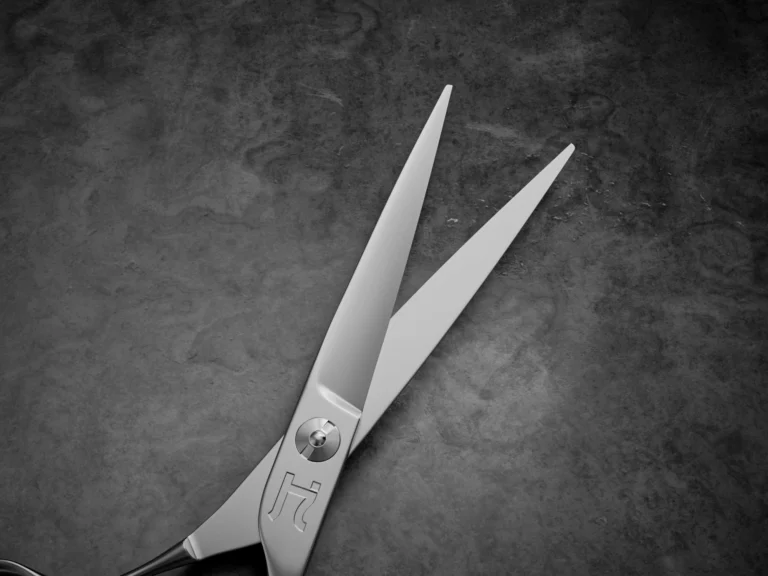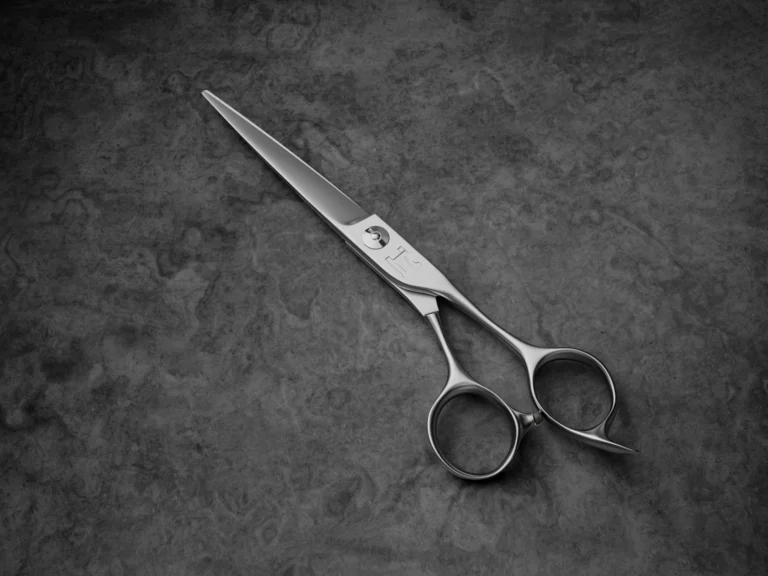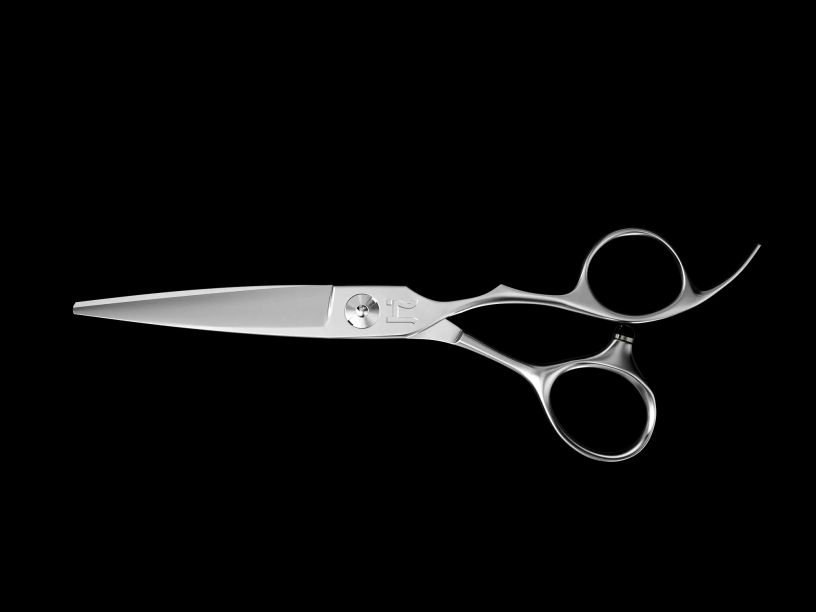
For licensed stylists and barbers comparing new shears, steel terminology can create more confusion than clarity. One seller promotes VG-10, another highlights 440C, and another uses terms such as powder metallurgy, cobalt alloy, or high-carbon Japanese steel. The fear is understandable: nobody wants to invest in a premium cutting tool only to discover that it dulls too quickly, chips easily, or feels wrong for their technique. Hanzo helps professionals navigate these differences by matching proprietary steel families, blade geometry, and handle design to the way they actually cut.
The central question is not simply, “Which steel is hardest?”
The better question is: Which steel, blade design, and maintenance level fit the way you cut every day?
Here is the practical answer:
- 440C is a dependable, corrosion-resistant steel with solid edge retention and relatively straightforward maintenance.
- VG-10 generally offers a finer edge and stronger edge retention, although it requires more careful sharpening.
- Nano powder steel can support exceptionally sharp cutting angles and extended edge life, but it carries a higher cost and requires specialist servicing.
- The best steel for professional shears depends on technique, workload, care habits, and blade construction, not the grade name alone.
Why Steel Grade Matters for Professional Shears
Steel grade influences how sharp a shear can become, how long it holds that edge, how it responds to dense or dry hair, and how carefully it must be maintained.
Two shears may both be described as Japanese steel but perform very differently. Carbon content, alloying elements, heat treatment, grain structure, blade geometry, and final sharpening all affect the cutting experience.
Hardness is commonly measured on the Rockwell C scale, or HRC. A higher HRC number generally indicates that the steel can resist deformation and wear more effectively. However, hardness is not an automatic measure of overall quality. Extremely hard steel may be more difficult to sharpen and less forgiving of drops or lateral pressure.
That is why stylists should compare the complete tool rather than selecting a shear based only on the largest hardness number. Hanzo’s range of professional shears includes different steel families, blade profiles, lengths, and handle configurations for distinct cutting applications.
Quick Comparison: 440C vs VG-10 vs Nano Powder Steel
| Steel category | Typical hardness range | Main strength | Main trade-off | Common application |
| 440C | Approximately 56–60 HRC | Reliable performance and accessible servicing | Shorter edge life than more advanced alloys | Everyday salon cutting |
| VG-10 | Approximately 60–62 HRC | Fine sharpness and stronger edge retention | Requires more skilled sharpening | Premium everyday and dry cutting |
| Nano powder steel | Varies by alloy and heat treatment, often around 60–65 HRC in premium cutting tools | Refined grain structure and extended edge life | Higher cost and specialist maintenance | Precision lines and demanding cutting |
These ranges are general reference points, not guarantees for every shear. Final hardness depends on the specific formulation and heat-treatment process.
Part 1: Understanding the Industry Steel Grades
440C Steel: The Reliable Standard
440C is a high-carbon martensitic stainless steel used in bearings, cutlery, precision components, and other applications requiring hardness, wear resistance, and corrosion resistance. Proper heat treatment can bring it to around 60 HRC, although actual hardness varies by manufacturer and intended use.
In the shear industry, 440C is widely recognised as a dependable working steel.
What are the benefits of 440C steel shears?
A well-made 440C shear can provide:
- Good resistance to corrosion
- Dependable everyday sharpness
- Reasonable edge retention
- A practical balance between durability and maintenance
This makes 440C useful for stylists who need consistent performance across common wet-cutting, blunt-cutting, and general salon techniques.
It is also relatively forgiving. A properly heat-treated 440C blade may tolerate daily working conditions better than an extremely hard edge that has been ground at a very acute angle.
What are the limitations of 440C?
440C is not normally chosen for the absolute maximum in edge retention. A busy stylist performing repeated dry cutting on coarse or dense hair may notice the edge losing its ideal cutting feel sooner than it would on a more wear-resistant premium alloy.
That does not make 440C an inferior or disposable steel. Heat treatment, blade geometry, manufacturing accuracy, and sharpening quality can allow a well-engineered 440C tool to outperform a poorly made shear carrying a more prestigious steel name.
Best suited for: Stylists who value reliable all-around performance, corrosion resistance, manageable maintenance, and a steel that does not require highly specialised servicing.
VG-10 Steel: The Performance Upgrade
VG-10 is a Japanese high-carbon stainless cutlery steel associated with Takefu Special Steel. Its published composition includes carbon, chromium, molybdenum, vanadium, and cobalt. These elements help the steel achieve a fine cutting edge, resist wear, and maintain corrosion resistance.
VG-10 is commonly hardened to approximately 60–62 HRC, although the final result depends on heat treatment and the product manufacturer.
Is VG-10 better than 440C?
When both steels are properly heat-treated and made into comparable blades, VG-10 is commonly selected for greater wear resistance and longer edge retention. However, either steel can support a very sharp edge, and blade geometry may matter more than the grade name alone.
For a stylist, that can translate into:
- A finer initial edge
- Smooth entry into dry hair
- Stronger performance through repeated cutting
- More time between properly timed sharpening appointments
- Better support for refined convex blade geometry
The difference is most noticeable for professionals who perform detailed dry work, slide cutting, channel cutting, precision graduation, or repeated work on coarse hair.
What are the trade-offs with VG-10?
A harder, finer edge can be less forgiving of misuse. Dropping the shear, forcing it through unsuitable material, or allowing an inexperienced sharpener to change the blade geometry may lead to poor cutting performance or edge damage.
VG-10 is not automatically better in every situation. A stylist who mainly performs straightforward wet cuts may not receive the same practical benefit as a dry-cutting specialist.
The steel must also be genuine. “VG-10” has become a powerful marketing term, but the name alone does not prove the quality of the heat treatment, blade construction, balance, or finish.
Best suited for: Stylists seeking a noticeable performance increase over conventional stainless steel, particularly for premium everyday cutting, dry work, and techniques that benefit from longer edge retention.
Nano Powder Steel: The Premium Category
Nano powder steel belongs to the broader powder-metallurgy category. Powder-metallurgy steel begins as finely atomized metal powder rather than a conventionally cast ingot. The powder is consolidated under heat and pressure, then processed into usable steel. This production route can create a finer and more uniform distribution of carbides.
This method can create a finer, more evenly distributed carbide structure than conventional production methods. Powder-metallurgy research and industrial guidance associate the process with finer carbide distribution, improved uniformity, wear resistance, and tool life.
The term “nano powder steel” does not refer to one universal chemical recipe. Different manufacturers can use different proprietary alloys and production techniques.
Why does the fine grain structure matter?
A refined and uniform structure can help a manufacturer create:
- A highly acute cutting edge
- Strong resistance to edge wear
- Consistent cutting performance
- Clean control through dense sections
- Longer intervals between sharpenings when the tool is cared for properly
Depending on the exact alloy, powder steels may be hardened into the low-to-mid 60s HRC, while some specialised grades can reach higher levels. Hardness alone should not be used to predict performance, because carbide composition, blade thickness, edge angle, and heat treatment remain critical.
Does nano powder steel chip easily?
High hardness can make any finely ground edge less tolerant of impacts or misuse, but it is too simplistic to say that all powder steel is brittle.
Powder metallurgy can improve structural uniformity, and some powder alloys are engineered to balance wear resistance with toughness. The real risk comes from combining a very hard steel with an extremely fine cutting angle, then dropping it or subjecting it to sideways force.
These shears should never be used to cut foil, extensions, synthetic materials, or anything other than the hair applications for which the blade was designed.
Best suited for: Established stylists and barbers performing high-volume precision cutting, strong perimeter work, bobs, dense sections, and techniques in which maximum edge stability provides a genuine working advantage.
Is Nano Powder Steel Always the Best Choice?
No. It may be the most advanced category in this comparison, but the most technically advanced material is not automatically the best choice for every stylist.
Nano powder steel may be unnecessary for someone who:
- Performs mostly basic wet cutting
- Has limited access to a qualified sharpener
- Frequently works in a shared environment where tools may be mishandled
- Prefers a softer, more forgiving cutting feel
- Does not require extended edge life or extreme line precision
A steel grade becomes valuable only when its characteristics support the stylist’s actual work.
Part 2: Where Hanzo’s Steel Grades Fit in This Landscape
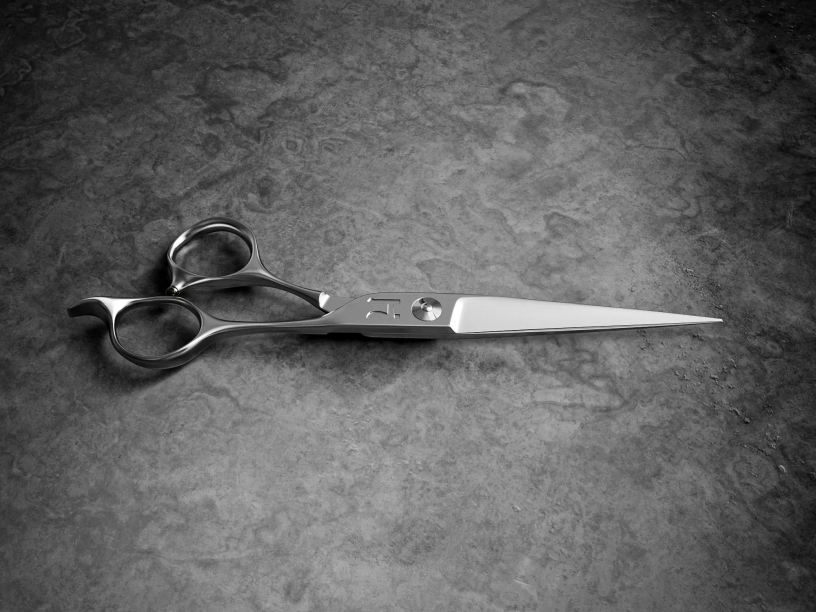
Hanzo does not market its main shear families as “440C” or “VG-10.” The company uses proprietary steel formulations and identifies its products by broader material families, including cobalt-molybdenum alloys, premium high-carbon Japanese steel, and nano powder steel.
The following comparisons are therefore approximate performance references, not claims that Hanzo uses those named industry grades.
Cobalt-Molybdenum Alloy: Balanced Everyday Performance
Hanzo’s cobalt-molybdenum family occupies a practical performance space that can be understood as ranging from upper-level conventional stainless performance toward the qualities stylists associate with VG-10.
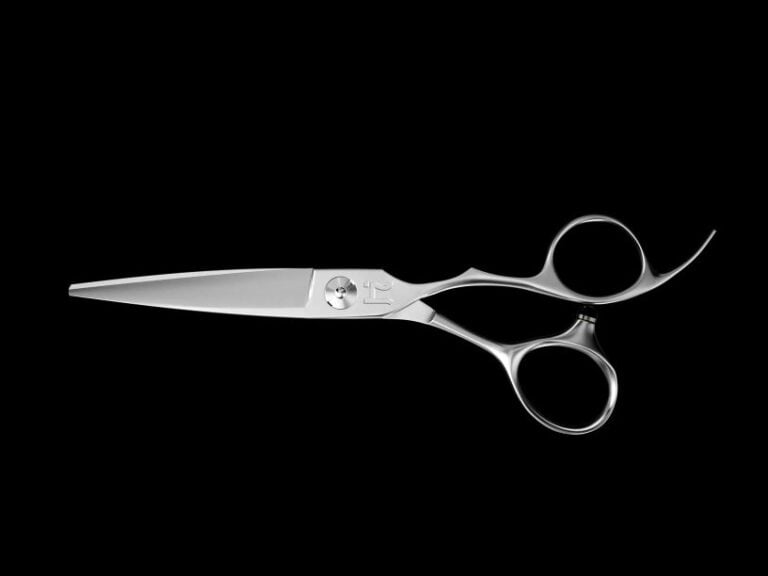
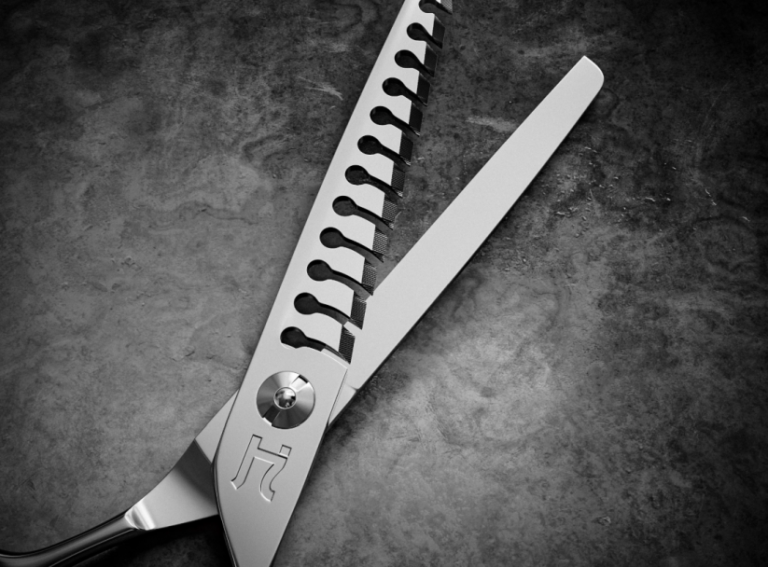
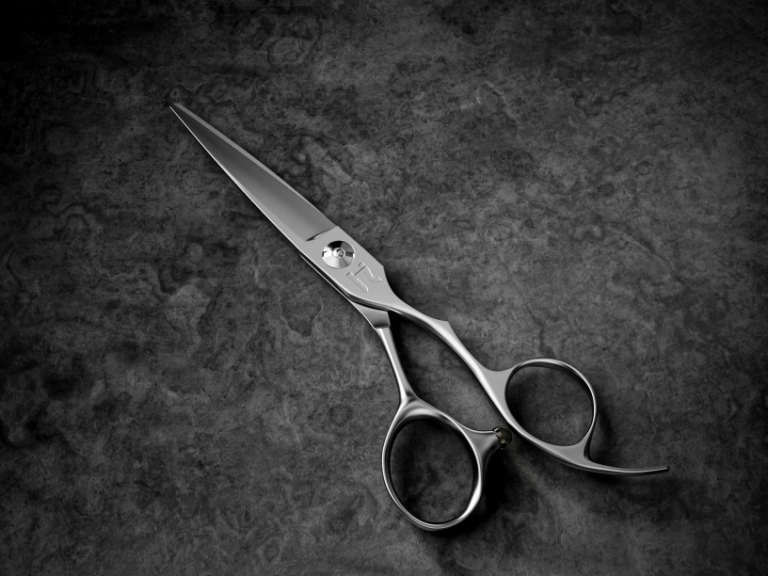
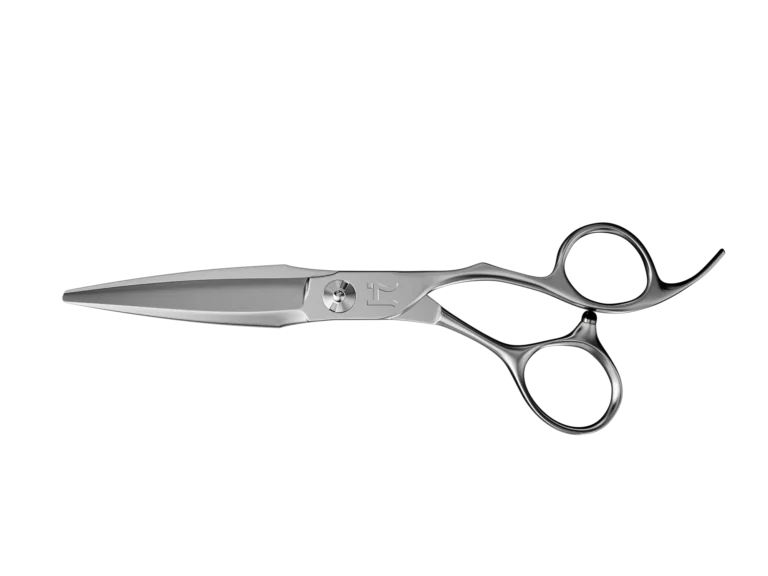
The HH8 Talon uses a proprietary blend that includes cobalt and molybdenum alloys. It is a lightweight, balanced wet-to-dry shear with excellent dry-cutting properties.
Cobalt and molybdenum can contribute to characteristics such as wear resistance, strength, and edge stability, but the final performance comes from the entire proprietary formulation and manufacturing process.
This category works well for stylists who need one versatile shear for:
- Wet shaping
- General salon cutting
- Moderate dry work
- Scissor-over-comb
- Everyday detail work
- Moving between different hair textures
It should not be labelled as 440C or VG-10. A more accurate description is a proprietary alloy designed to provide balanced performance in roughly the upper conventional-to-premium stainless landscape.
High-Carbon Japanese Steel: Stronger Dry-Cutting Performance
Hanzo’s premium high-carbon Japanese steel family moves further into the performance territory normally associated with VG-10 and other premium Japanese alloys.
The HH6 Kime is made from premium high-carbon Japanese stainless steel. Its thicker blade, exaggerated radius, and cutting profile are designed for dry cutting, coarse hair, channel cutting, slide cutting, and versatile wet work.
This illustrates an important point: steel does not work in isolation.
The Kime’s performance on thick, coarse, or dry hair is not created by carbon content alone. Its thicker blade and specialised radius contribute to its power and cutting action.
Hanzo’s high-carbon family may suit professionals who regularly perform:
- Dry haircutting
- Slide cutting
- Channel cutting
- Work on thick or coarse hair
- Detailed shape refinement
- Techniques requiring stronger edge stability
It is fair to describe this family as operating around the performance territory stylists associate with VG-10 and more advanced high-carbon Japanese steels. It would not be accurate to claim that it is VG-10 unless Hanzo identified the formulation that way.
Nano Powder Steel: Advanced Precision and Edge Retention
Hanzo’s HHP Pai Mei sits directly in the nano powder category.
The Pai Mei is constructed from condensed microparticles of premium nano powder steel. The material allows the shear to hold a sharper cutting angle, while its blade design is intended for straight perimeter lines, bobs, and dense sections.
This is the Hanzo family for stylists who can make practical use of:
- Maximum line control
- Strong edge retention
- Clean perimeter cutting
- Precision through dense sections
- A highly refined cutting feel
The Pai Mei is not automatically necessary for every professional. It is a specialised premium tool whose value is most apparent when the stylist’s technique and workload demand that level of precision.
Which Steel Grade Is Right for Your Cutting Style?
Choosing the best steel starts with an honest look at your daily cutting habits.
Choose a cobalt-molybdenum alloy when you need versatility
This category is well suited to a broad salon workload that moves between wet and dry hair.
Consider it when you want:
- One adaptable everyday shear
- Balanced sharpness and durability
- Wet-to-dry versatility
- Smooth handling across different techniques
- Premium performance without moving into the most specialised category
Choose high-carbon Japanese steel for demanding dry work
A high-carbon family may be the stronger match when your work places greater demands on edge stability.
Consider it when you frequently perform:
- Dry cutting
- Channel or slide cutting
- Work on thick, coarse, or resistant hair
- Texture refinement
- Repeated cutting that exposes an edge to more abrasion
Choose nano powder steel for elite line control
Nano powder steel becomes valuable when precision and edge life have a direct effect on your efficiency.
Consider it when you regularly perform:
- Bobs and strong perimeter shapes
- Dense one-length sections
- High-volume precision cutting
- Technical line work
- Services where a cleaner pass can save meaningful time
Do not choose based on the steel name alone
Before purchasing, evaluate:
- Blade geometry: Convex, radius, bevelled, or specialised dry-cutting profiles behave differently.
- Blade weight and thickness: These influence power, control, and cutting feel.
- Handle design: Offset, crane, swivel, and traditional handles affect wrist and thumb positioning.
- Shear length: A 5.5-inch detail shear and a 7-inch barbering shear serve different purposes.
- Heat treatment: Two tools made from nominally similar steel can perform differently.
- Sharpening support: A premium edge is valuable only when it can be maintained correctly.
- Personal technique: Your hand pressure, cutting angle, speed, and preferred methods affect the right choice.
A technically superior alloy cannot compensate for an uncomfortable handle or a blade profile that conflicts with your technique.
Does Steel Grade Change Sharpening Requirements?
Yes. As steel hardness, wear resistance, and edge refinement increase, sharpening normally becomes more technically demanding.
A conventional stainless shear may be easier for a competent professional sharpener to service. VG-10-level and advanced high-carbon steels require greater care to preserve the convex surface, edge angle, ride line, and blade relationship.
Nano powder shears require the highest level of caution. Incorrect sharpening can alter the blade geometry, reduce performance, and, in severe cases, cause damage that cannot be fully corrected.
That does not mean harder steel should be avoided. It means sharpening support must be considered part of the purchase.
Hanzo’s StaySharp program includes expert sharpening intended to restore shears to a factory edge. Hanzo’s StaySharp program includes four annual sharpenings under its standard membership or eight under StaySharp Plus. The service is available for any shear brand, subject to the shear’s age, condition, and quality.
Frequently Asked Questions
Is 440C or VG-10 better for hair shears?
VG-10 generally offers higher hardness, a finer edge, and longer edge retention. However, 440C may be easier to sharpen and more forgiving in everyday working conditions. The better choice depends on cutting technique, maintenance access, and the quality of the finished shear.
Is 440C steel good for shears?
Yes. Properly heat-treated 440C provides a useful combination of hardness, corrosion resistance, wear resistance, and serviceability. It remains a legitimate material for quality cutting tools rather than simply a low-cost alternative.
What is the best material for barber shears?
There is no universal best material. A barber performing scissor-over-comb and broad wet-to-dry work may prefer a versatile cobalt alloy. A barber specialising in dry detailing or coarse hair may benefit from premium high-carbon steel. Nano powder steel is better suited to users who require exceptional precision and can maintain it correctly.
What is the difference between 440C and VG-10 scissors?
VG-10 contains alloying elements such as cobalt and vanadium and is commonly hardened more highly than 440C. This can give VG-10 stronger edge retention and finer sharpness. In practice, blade geometry, heat treatment, balance, and sharpening quality can matter as much as the steel designation.
How long should a premium shear stay sharp?
There is no fixed timetable. Cutting volume, hair texture, dry versus wet use, blade care, cleaning, tension adjustment, storage, and accidental damage all affect edge life. A shear should be serviced when it begins pushing, folding, or pulling hair rather than according to an arbitrary calendar alone.
Can any sharpener service nano powder steel shears?
No. They should be handled by a sharpener with experience in premium convex shears and powder-metallurgy alloys. Incorrect equipment or technique can alter the edge and blade geometry.
The Final Verdict
440C, VG-10, and nano powder steel each have legitimate professional applications.
440C remains a dependable standard for balanced performance and manageable servicing. VG-10 represents a performance increase for stylists seeking finer sharpness and longer edge retention. Nano powder steel can provide exceptional edge refinement , wear resistance and precision line control, but it also demands careful handling and specialist maintenance.
For Hanzo buyers, the comparison should be used as a reference rather than a direct label. Hanzo’s cobalt-molybdenum, high-carbon Japanese, and nano powder families are proprietary categories designed for different cutting techniques and workloads.
The right shear is not necessarily the one with the hardest steel. It is the one whose steel, blade shape, handle, length, and maintenance support work together for your hand and your technique.
Ready to choose the right steel for your technique? Browse Hanzo’s full range of professional shears and filter by steel family and blade type.