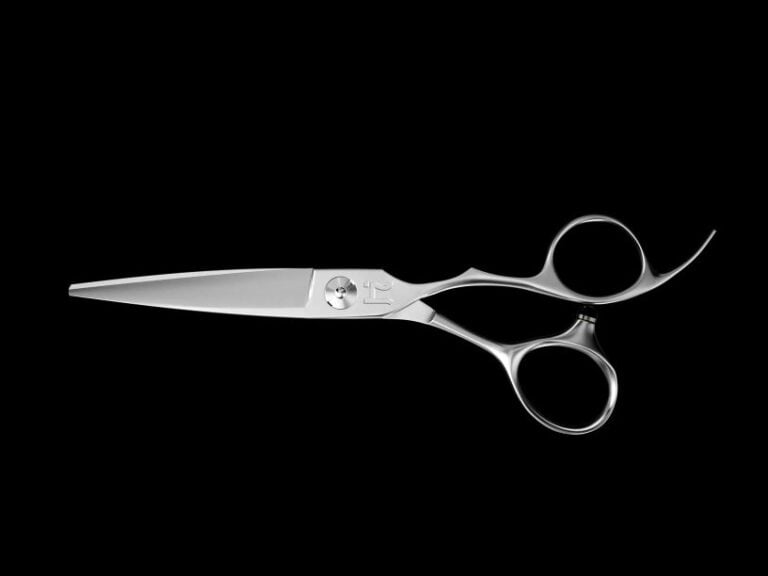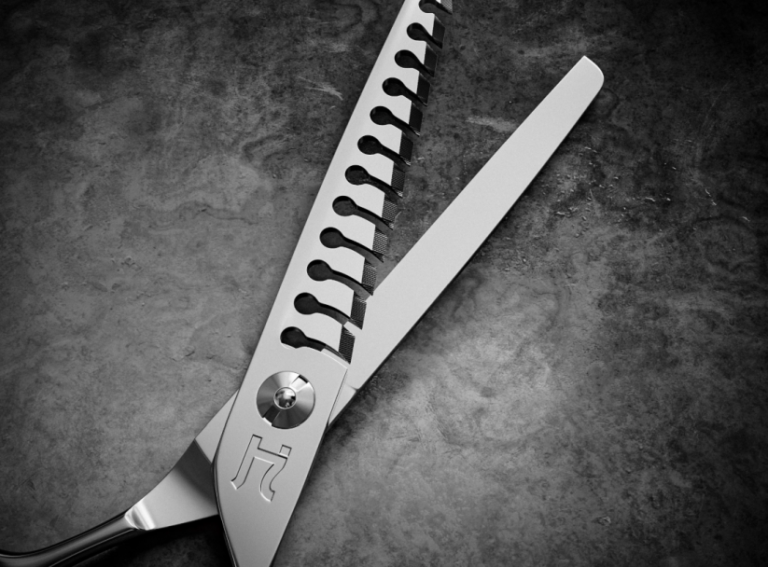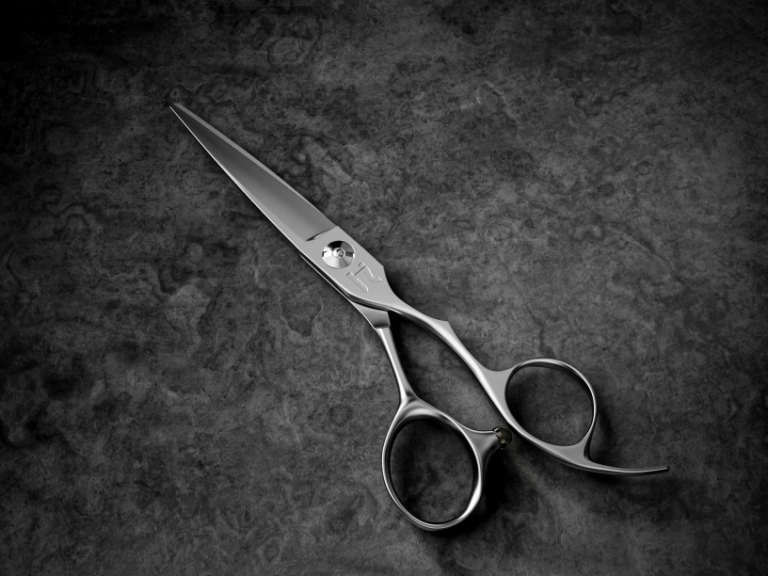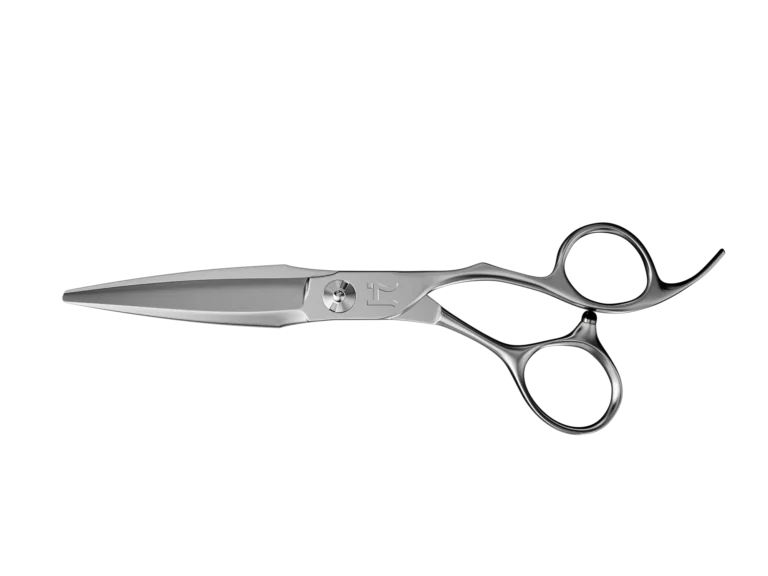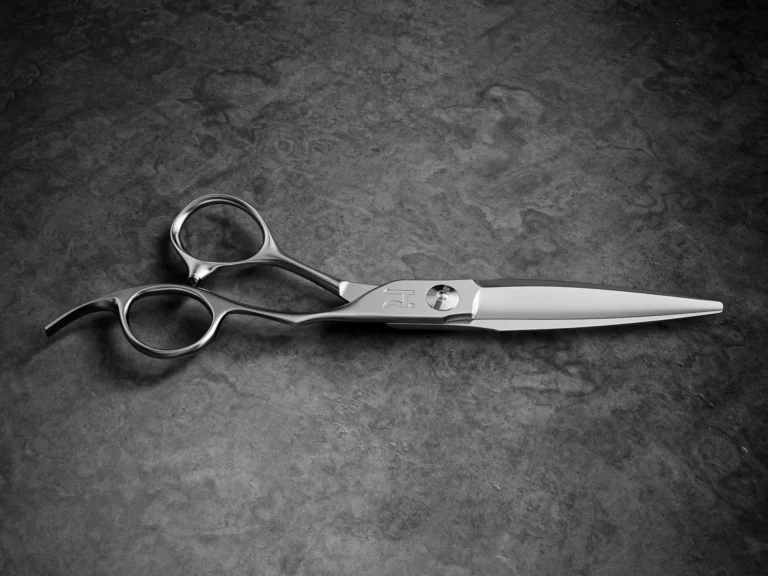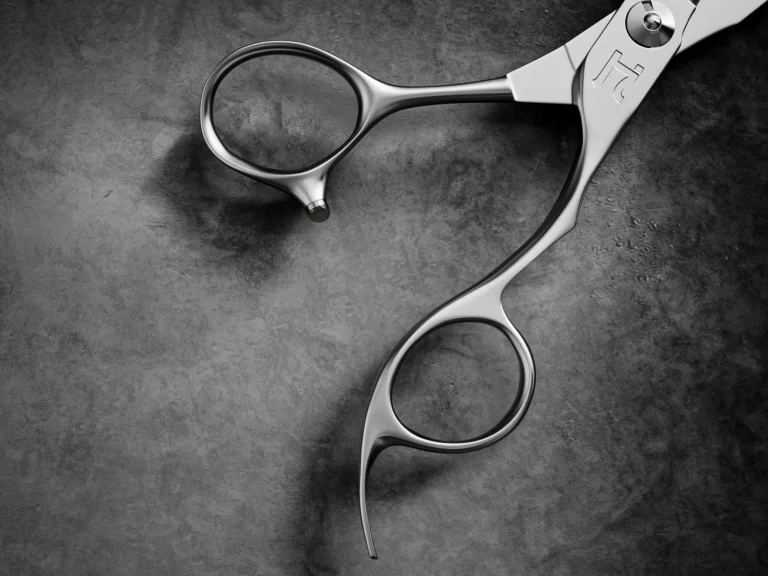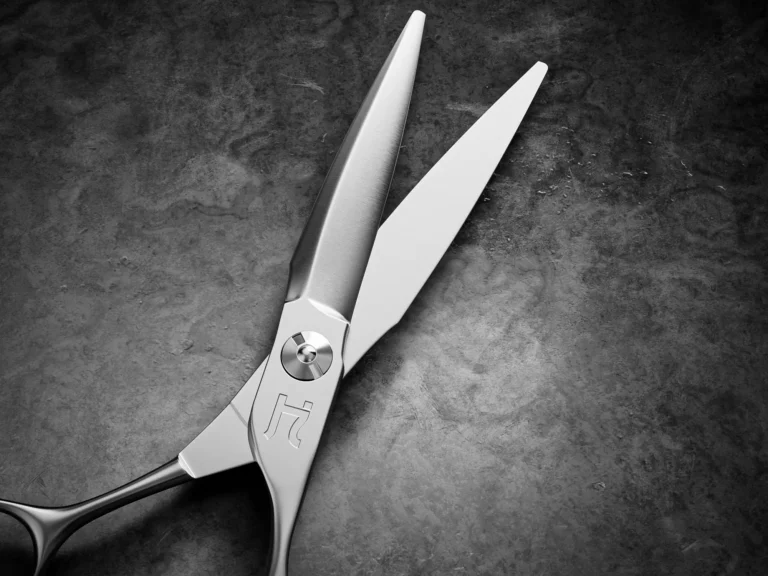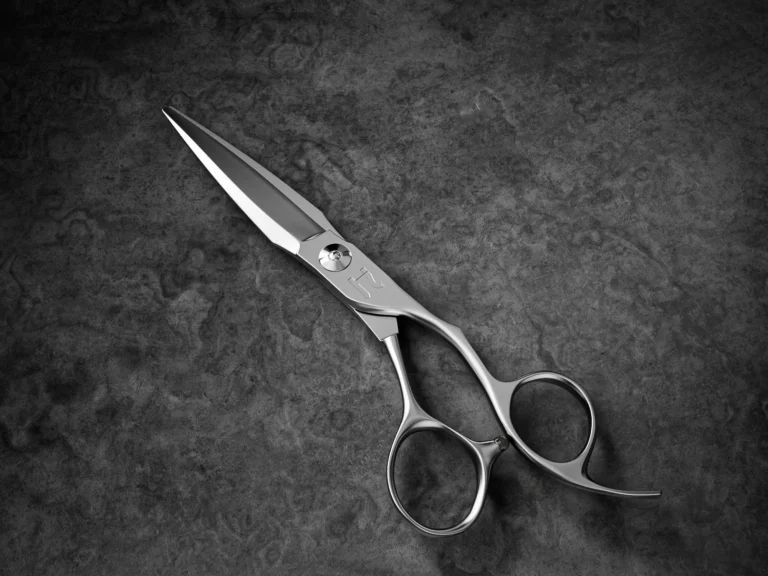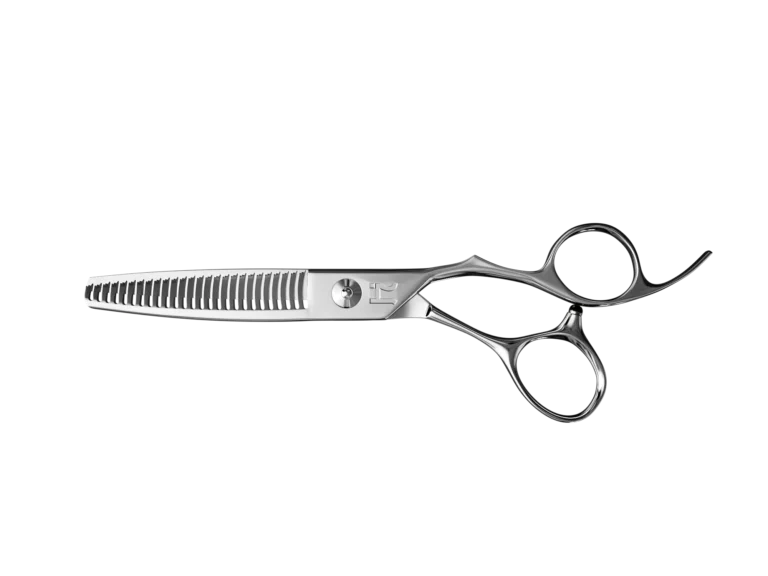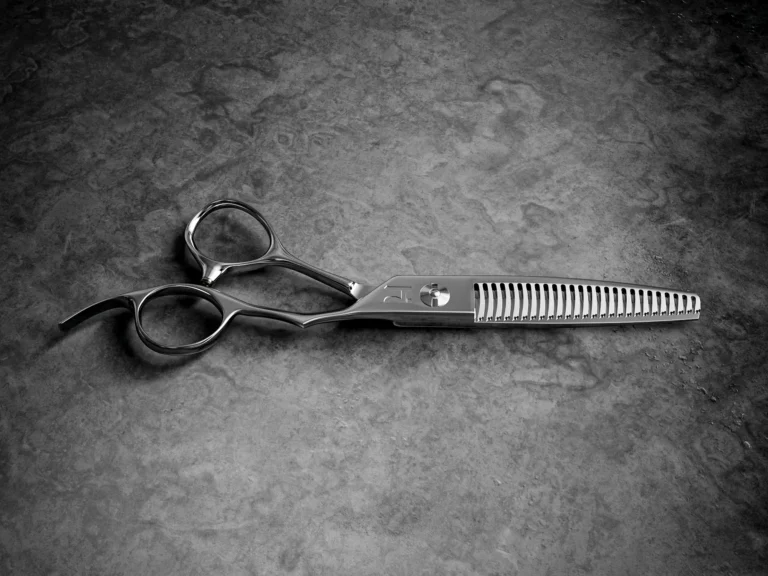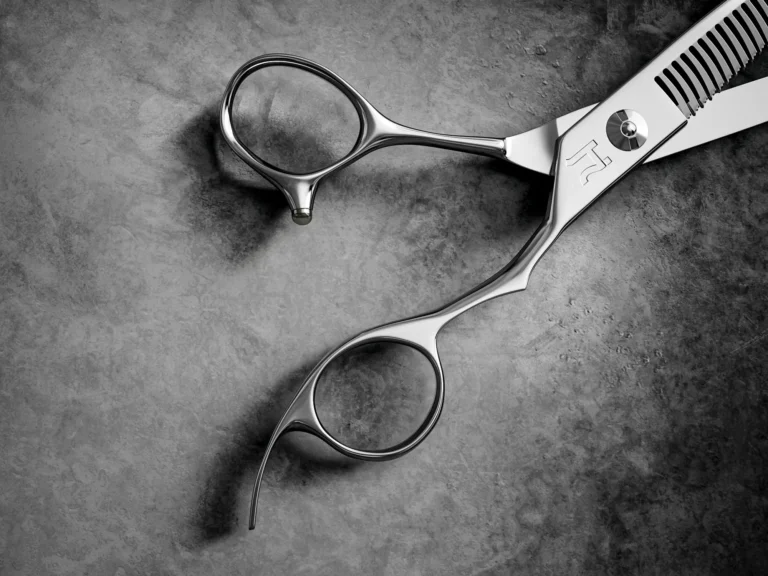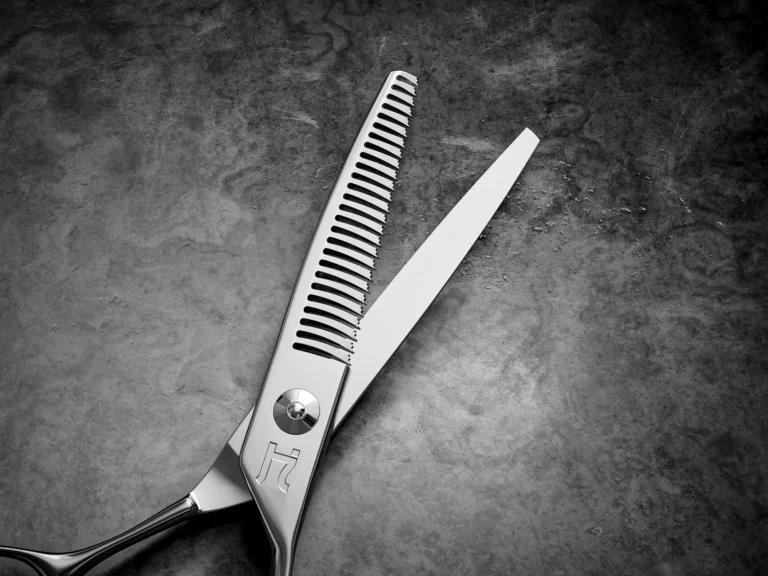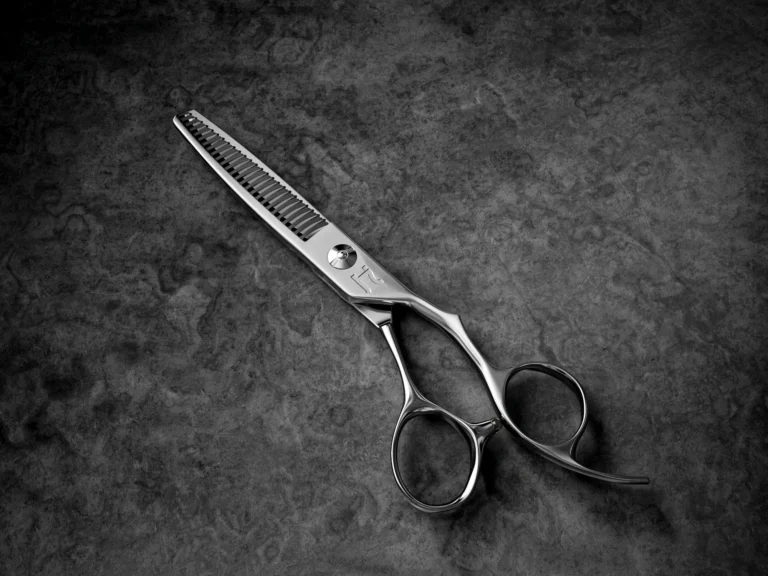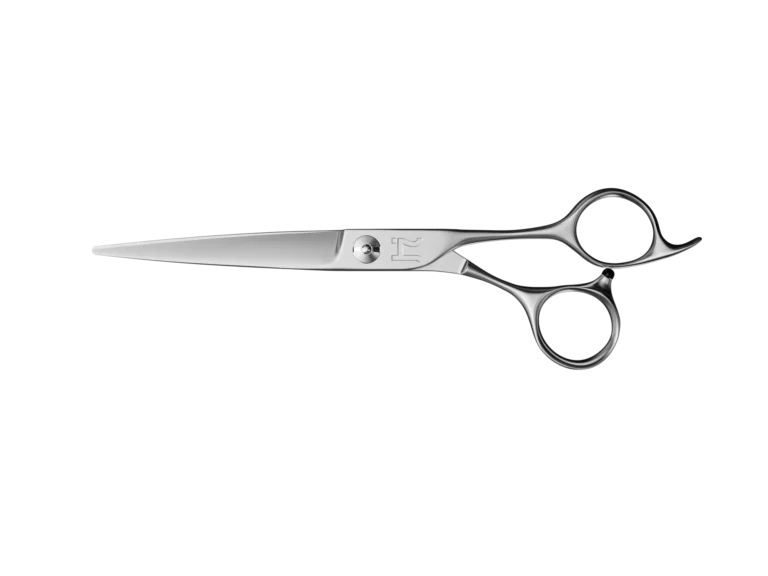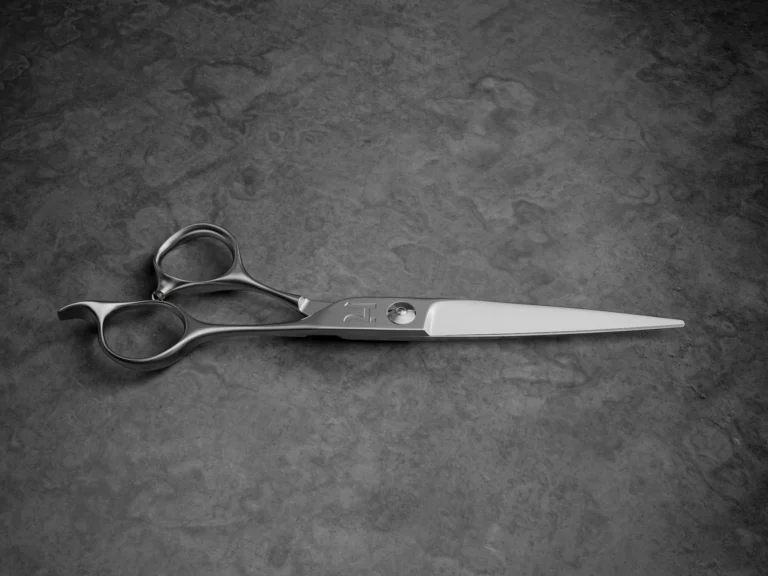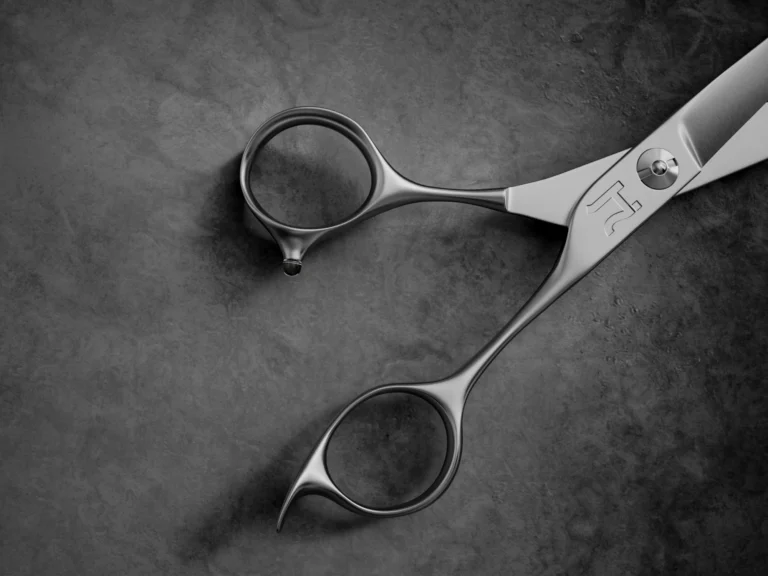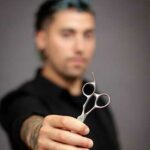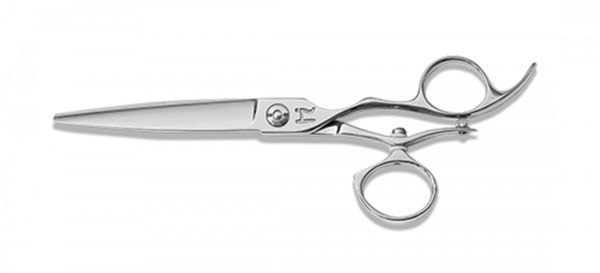
For hairstylists and barbers who rely on haircutting shears through back-to-back appointments, declining cutting performance creates more than a minor inconvenience. A worn or poorly maintained shear can push hair, interrupt precision work, and place unnecessary strain on the hand. Hanzo supports working professionals with premium Japanese-steel cutting tools, specialized sharpening, and practical maintenance guidance designed to help every shear deliver dependable performance for as long as possible.
The Short Answer
A well-made shear can remain in service for 10 years or longer when it is properly maintained, protected from damage, and sharpened by a qualified specialist. In some cases, a premium shear can last for much of a stylist’s career.
Lower-cost or entry-level shears may need replacement much sooner under continuous professional use, sometimes within a few years. However, there is no universal expiration date for haircutting tools.
A shear’s useful lifespan depends mainly on:
- Steel composition and heat treatment
- Blade geometry and manufacturing quality
- Sharpening quality
- Daily cleaning and lubrication
- Correct tension
- Workload and cutting technique
- Protection from drops and impacts
- Proper storage
The important distinction is between a shear that is temporarily dull and one that is permanently worn or damaged. Dullness can usually be corrected. Severe blade loss, structural damage, or an unrepairable alignment problem may signal that the tool is approaching the end of its useful life.
Stylists who need tools designed for sustained salon and barbershop use can explore Hanzo’s collection of professional shears.
Steel Quality Is a Major Lifespan Factor
Not all haircutting shears are designed for the same workload. Two tools may look nearly identical when new but perform very differently after years of daily cutting.
The type of steel matters, but the steel name alone does not determine longevity. Heat treatment, blade design, hardness, manufacturing tolerances, and finishing quality all contribute to how well a shear holds its edge and withstands repeated use.
Entry-Level Stainless Steel
Entry-level shears are often manufactured from steels and components intended for lighter or less demanding use. Their edges may lose cutting performance sooner under a full professional schedule, especially when the stylist frequently cuts coarse, dense, or dry hair.
These shears may still be useful for students, backup kits, or occasional cutting. Under daily salon or barbershop conditions, however, they may require more frequent servicing or become uneconomical to restore sooner than a premium tool.
Repeated dulling can also affect long-term lifespan. Every sharpening removes a small amount of metal. A shear that needs corrective work frequently may lose usable blade material faster than one that maintains its edge for longer periods.
High-Carbon Japanese Steel
High-carbon Japanese steel can support a refined, durable cutting edge suitable for professional haircutting. Its performance depends on the complete alloy composition and how the steel is heat-treated, hardened, shaped, and finished.
A well-manufactured shear made from high-quality Japanese steel can remain in regular service for many years. Periodic sharpening will still be necessary, but careful servicing can preserve the blade’s geometry and cutting feel over the long term.
Cobalt-Molybdenum Alloys
Cobalt and molybdenum may be incorporated into steel alloys to support properties such as hardness, strength, corrosion resistance, and wear resistance.
In haircutting shears, these alloys can provide a useful balance of edge retention, smooth movement, and durability. They are well suited to professionals who need consistent performance across varied cutting techniques and long workdays.
The presence of cobalt or molybdenum does not guarantee a particular number of years of service. The finished shear’s quality and maintenance history remain equally important.
Nano Powder Steel
Powder metallurgy creates steel with a fine, uniform distribution of alloying elements. In a premium haircutting shear, this can support high hardness, strength, wear resistance, and a refined cutting edge.
Nano powder steel can provide excellent edge retention when the shear is used and maintained correctly. Its advanced construction does not make it maintenance-free, though. The blade should still be serviced by a technician who understands haircutting shear geometry and knows how to preserve the intended edge profile.
What Steel Quality Means in Practice
Part of the cost of a premium shear reflects its ability to withstand sustained professional use.
A lower-cost tool that must be replaced repeatedly may eventually cost more than a premium shear that performs reliably for many years. Price alone never guarantees longevity, but steel quality, heat treatment, blade construction, component quality, and manufacturing precision all influence long-term value.
Sharpening Quality Can Extend or Shorten a Shear’s Life
A haircutting shear is not sharpened like a kitchen knife or an ordinary household scissor. Its blades must meet correctly throughout the cutting stroke while preserving the intended edge angle, ride line, balance, and contact point.
Correct professional sharpening can:
- Restore a worn cutting edge
- Preserve the intended blade angle
- Maintain the ride line
- Correct minor nicks and uneven wear
- Restore smooth blade contact
- Help the shear cut cleanly from pivot to tip
Poor sharpening can permanently change how a shear performs.
Using unsuitable equipment, altering the blade angle, removing excessive steel, or failing to rebalance the blades may cause the shear to push hair, catch near the tip, fold sections, or lose its edge unusually quickly.
One careless sharpening service can potentially do more damage than years of ordinary use. That does not mean every performance issue is permanent, but substantial changes to the blade geometry can be difficult or impossible to reverse.
There is also no fixed number of times every shear can be sharpened. The amount of material removed during each service matters more than the total number of services. A careful sharpener removes only the steel needed to restore performance, while aggressive grinding can shorten the tool’s usable life.
Sharpening needs vary according to workload, technique, hair types, blade design, and steel quality. For a detailed explanation, read how often pro shears should be sharpened.
Hanzo’s StaySharp program provides ongoing servicing for professional haircutting tools. Using technicians familiar with salon shears helps protect the original blade design instead of gradually grinding away the performance built into it.
Daily Maintenance Habits That Add Years
A shear rarely reaches the end of its life because of one ordinary haircut. Damage and wear usually accumulate through moisture, product residue, friction, incorrect tension, impacts, poor storage, and delayed servicing.
A few consistent maintenance habits can protect the tool for years.
Clean the Blades Regularly
Small pieces of hair, styling product, moisture, and chemical residue can collect on the blades and around the pivot. This buildup may interfere with blade movement, increase friction, and contribute to staining or corrosion.
Wipe the blades with a clean, soft cloth after use. When disinfecting the shear, follow the manufacturer’s instructions and avoid leaving moisture or chemical products on the metal longer than necessary.
Dry the shear completely before returning it to its case.
Lubricate the Pivot
The pivot is the point where the blades rotate and move against each other. Without adequate lubrication, friction can increase and the shear may begin to feel stiff, rough, or inconsistent.
Apply shear oil at the pivot according to the tool’s care instructions. Open and close the blades several times to distribute the oil, then wipe away any excess.
Lubrication does not restore a dull edge. It reduces unnecessary friction and supports smooth blade movement.
Maintain Correct Tension
Incorrect tension can affect cutting performance and accelerate wear.
If the tension is too loose, the blades may separate and fold or push the hair. The stylist may then compensate by squeezing harder, increasing hand strain without solving the underlying issue.
If the tension is too tight, excessive friction develops between the blades. The shear may feel difficult to operate, and the contact surfaces may wear faster.
Because adjustment systems vary, follow the correct procedure for your model. This guide explains how to adjust tension on haircutting shears without overtightening the pivot.
Use a Protective Case
A shear stored loosely in a drawer, station, or tool bag can collide with combs, clips, razors, and other metal objects. Even a minor impact can nick the edge, bend a tip, disturb alignment, or damage the tension system.
Store each shear in a protective case with secure, separate compartments. Close the blades carefully before storing the tool.
Avoid leaving a shear near the edge of a workstation or on top of a towel that could be pulled away. A single fall may create more damage than months of routine cutting.
Use the Shear Only for Hair
Haircutting shears should not be used to cut paper, foil, thread, packaging, or other salon materials unless the tool is specifically designed for that purpose.
Materials that appear harmless can nick or wear a finely finished cutting edge. Keeping a separate utility scissor nearby removes the temptation to use a valuable haircutting tool for convenience tasks.
Does Heavy Daily Use Shorten Shear Life?
A stylist completing 40 appointments per week places more demand on a shear than someone completing 15. A higher workload can increase the frequency of cleaning, tension checks, lubrication, and sharpening.
That does not automatically mean the shear will have a dramatically shorter overall life.
The larger problem occurs when maintenance does not match the workload. Continuing to use a dull edge can require more cutting pressure. Allowing residue to build around the pivot increases friction. Ignoring a small nick may allow the damaged area to affect the opposite blade.
Cutting technique also matters. Forceful closing, dropping the tool onto the workstation, or using a precision shear for work it was not designed to handle may accelerate wear.
A busy stylist can still keep a premium shear for many years by addressing performance changes early and following a maintenance schedule suited to the amount and type of cutting performed.
Signs Your Shears May Have Reached the End of Their Life
Dullness does not automatically mean a shear needs to be replaced. Cleaning, tension correction, lubrication, or professional sharpening may restore its performance.
Replacement or full restoration becomes worth considering when one or more of the following issues remain after qualified servicing.
The Blades Still Push or Fold Hair
A worn shear may move hair forward rather than cutting through it. Hair may also bend between the blades or catch near the tip.
First rule out dirty blades, incorrect tension, and normal dullness. If a specialist cannot restore a clean, consistent cut, the edge geometry or blade structure may no longer be serviceable.
The Pivot Cannot Maintain Stable Tension
A tension system that repeatedly loosens, binds, or changes during use may contain worn or damaged components.
Some pivot parts can be repaired or replaced. Have the shear evaluated before assuming the entire tool has reached the end of its life.
The Blades Have Severe Nicks or Chips
Minor edge damage can often be corrected during sharpening. Deep chips are more difficult because enough steel must be removed to create a continuous edge again.
If repairing the damage would make the blade too thin, significantly change its shape, or prevent correct blade contact, restoration may not be practical.
Too Much Blade Material Has Been Removed
Every sharpening removes some metal. Careful servicing minimizes that loss, but repeated or aggressive sharpening can eventually alter the blade’s profile.
Warning signs include:
- Noticeably narrower blades
- Shortened or uneven tips
- Mismatched blade shapes
- Poor contact between the blades
- A cutting feel that cannot be restored
- Insufficient metal for another safe correction
Age alone does not create this problem. A newer shear that has been sharpened poorly may have less usable blade material than an older shear serviced carefully.
The Handle or Frame Is Structurally Damaged
Replaceable parts may include finger inserts, bumpers, finger rests, washers, or some tension components. Cracks, serious bending, or instability in the primary handle or blade structure require professional inspection.
Do not continue cutting with a shear that feels unstable, closes unpredictably, or forces the hand into an unsafe position.
Entry-Level vs. Premium Shears: The Lifespan Gap
Entry-level shears may provide a few years of daily professional use, but some need replacement sooner and others last longer. The outcome depends on their construction, workload, maintenance, and sharpening history.
A premium Japanese-steel shear can often remain in service for a decade or more when cared for properly. Some stylists use the same high-quality tool for a substantial part of their careers.
These are practical expectations, not guaranteed replacement schedules.
The difference is not simply marketing. Premium tools may offer:
- Higher-quality steel alloys
- More controlled heat treatment
- Greater manufacturing precision
- More refined blade geometry
- Better alignment and tension components
- Construction intended for repetitive professional cutting
- Greater potential for careful restoration
Even a premium tool can be damaged by a fall, poor sharpening, incorrect tension, corrosion, or prolonged neglect. Conversely, an older shear does not need replacement simply because it has reached a certain age.
If it still cuts cleanly, maintains stable tension, remains structurally sound, and responds well to sharpening, it may have years of useful service remaining.
How Often Should You Replace Hair Shears?
Replace haircutting shears based on their condition and performance rather than following a fixed calendar.
Consider replacement when:
- Qualified sharpening no longer restores a clean cut
- The blades have become too thin or damaged to repair
- The tension system cannot be stabilized or repaired
- The frame, blades, or handles are structurally compromised
- The tool can no longer support your technique reliably
- Restoration would require removing too much blade material
- Repair is no longer practical compared with replacement
Before retiring a premium shear, ask a qualified specialist to inspect it. Correct sharpening, pivot repair, replacement components, or a more complete restoration may extend its service life significantly.
How to Get the Longest Life From Your Shears
Follow these practical steps to protect hair shear durability:
- Choose a tool built for sustained professional use.
- Match the blade type to the work you perform.
- Clean and dry the shear consistently.
- Lubricate the pivot according to its care instructions.
- Maintain correct tension.
- Store the shear in a protective case.
- Use it only for appropriate haircutting work.
- Address nicks, looseness, pushing, or resistance early.
- Use a sharpener experienced with professional haircutting shears.
- Avoid unnecessary or overly aggressive sharpening.
- Have the tool inspected before assuming it must be replaced.
The condition of a five-year-old shear often reveals more about its care and service history than its age.
Frequently Asked Questions
How do I know if my hair shears are dull?
Common signs include hair pushing away from the blades, folding between them, catching near the tip, or requiring more hand pressure to complete a cut. Dirty blades and incorrect tension can cause similar symptoms, so check those issues before arranging sharpening.
How many times can haircutting shears be sharpened?
There is no universal maximum. The answer depends on blade thickness, damage, edge design, steel, and the amount of material removed during each service. Careful sharpening preserves more of the blade, while aggressive grinding reduces the number of future restorations possible.
Does dropping a shear permanently damage it?
A fall can nick the edge, bend the tip, disturb blade alignment, or damage the pivot. Stop using the tool and arrange an inspection. Continuing to cut with damaged or misaligned blades may make the problem worse.
Choose a Shear Built for Long-Term Professional Use
Investing in a shear built to last is one of the most practical decisions a working professional can make. Browse Hanzo’s full range of professional shears.