For working stylists and barbers who already have a few years behind the chair, the plateau is real. You have clients. You have technique. You know how to get through a full book. But if your shear is still entry-level or mid-range, it may be quietly limiting your speed, finish quality, confidence, and earning potential. That is why professional shears are not just a tool upgrade. They are a business decision. The real question is not whether the upfront price feels higher. The better question is whether investing in professional shears helps you cut cleaner, work faster, retain more clients, and charge what your skill is actually worth.
If you have been asking yourself why invest in a well-made shear now, the answer comes down to long-term performance, client trust, and how efficiently you can work behind the chair.
Professional Shears Last Significantly Longer Than Cheap Alternatives
The first business case is simple: better haircutting tools usually cost less over time because you are not constantly replacing them.
A lower-end shear might get you through school, your first salon job, or the early part of your chair career. But once you are cutting full-time, the demands change. A shear that feels “good enough” for a few clients a day can start showing its limits when you are cutting back-to-back clients, working through dense hair, doing precision work, and switching between wet and dry cutting.
Entry-level shears are often replaced every 1 to 2 years by working stylists because the edge breaks down, the tension becomes unreliable, or the blade simply stops responding the way it did when it was new. Over a 10-year stretch, even a $100 shear replaced every year becomes a $1,000 tool habit. That does not include the frustration, extra sharpening, or time spent adjusting your technique around a tool that is slowly losing performance.
A premium haircutting shear, properly maintained, can last far longer. In many cases, it can stay in a stylist’s kit for a career. The difference comes down to steel quality, blade construction, and how well the tool holds its edge under daily use.
High-carbon steel and cobalt-molybdenum alloy shears are built to maintain edge structure longer than standard stainless options. That matters because the blade is doing more than cutting hair. It is carrying the accuracy of your hand. When the edge stays cleaner for longer, the haircut stays more predictable.
Here’s the thing: longevity is not just about saving money. It is about trust. When you pick up your shear and know exactly how it will respond, you stop second-guessing your tool. You cut with more control, cleaner sectioning, and better rhythm. That confidence shows up in the finished cut.
Better Shears Reduce the Cost and Frequency of Sharpening
Sharpening is another place where the tool ROI becomes clear. Lower-grade steel tends to dull faster because the edge structure is not built to handle heavy, repeated use behind the chair. That means more frequent sharpening, more downtime, and more opportunities for the blade to be damaged by someone who does not understand haircutting shear geometry.
A stylist sharpening a lower-quality shear every 2 to 3 months at $30 to $50 per service can easily spend $120 to $200 per year on sharpening alone. That may not sound huge at first, but over several years it adds up quickly, especially if the shear still does not perform well between services.
Better steel holds an edge longer because Rockwell hardness, steel grain structure, and blade geometry all work together. A harder, better-made edge can keep its shape more consistently under daily cutting pressure. That does not mean you never sharpen it. It means the shear performs better between sharpenings and can be maintained with more control.
The StaySharp program gives stylists 4 sharpenings per year and helps remove the guesswork from maintenance. That matters because a bad sharpening is not a small problem. A sharpener who does not understand convex edge geometry can change the blade permanently. On a lower-end shear, that might mean replacement. On a premium tool, that can feel like a crisis.
Maintenance is part of the investment. A great shear with poor care will not stay great. But a great shear on a proper maintenance rhythm can give you cleaner cuts, fewer performance dips, and less stress about whether your tool is ready for a full book.
Premium Tools Support Premium Pricing
Do the right tools make you more money by themselves? No. Your skill, consultation, consistency, client experience, and reputation all matter.
But the right shear is part of the system that helps you charge more and keep clients coming back.
Clients may not know the difference between a convex edge, a bevel, alloy composition, or tension balance. But they do notice when the cut feels clean. They notice when the hair moves better. They notice when the ends do not feel chewed up. They notice when a bob line sits clean, when layers blend without looking forced, and when the haircut still behaves two weeks later.
That is where tool quality becomes a revenue factor.
A stylist fighting a dull or poorly balanced shear often has to make extra passes, clean up more inconsistencies, or work harder to get the same result. A stylist using a better tool can focus more on shape, detail, and finish. That does not magically create a premium service, but it supports one.
The revenue math is worth looking at. If a stylist currently charges $60 per cut and eventually grows into an $85 price point across 20 clients per week, that is $25 more per client. At 20 clients, that is $500 more per week, or about $26,000 more per year before accounting for schedule changes, tips, retail, or color services.
That increase does not happen just because of a shear. Let’s be real about that. But quality tools are part of what makes a stylist confident enough to raise prices and consistent enough to justify them.
There is also a client experience angle. A clean, quiet, controlled cut feels different in the chair. When a shear moves through a section without pulling, bending, or forcing repeated passes, the service feels more professional. That small detail can influence retention, referrals, and how clients talk about your work.
Premium pricing is not about looking expensive. It is about delivering a result that feels worth more.
Better Shears Cut Faster, Which Means More Clients
Time is one of the easiest places to see the value of professional hair shears.
If you save even 5 to 10 minutes per client across a full book, that time turns into real earning potential. For example, a stylist cutting 30 clients per week who saves 10 minutes per client gains 300 minutes, or 5 hours, of cutting time per week. That may be enough room for 4 to 5 more clients.
At a $70 average ticket, those extra clients could represent $280 to $350 more per week. Over a year, that can become roughly $14,000 to $18,000 in added opportunity. That is not a guaranteed outcome, of course. Your booking flow, salon structure, service mix, and schedule all matter. But the time math shows why tool efficiency is not a small detail.
A sharp, well-balanced shear helps you move through the cut with fewer repeated passes. It reduces the need to go back and correct lines that should have been clean the first time. It helps on dense hair, coarse hair, dry detailing, perimeter work, and any situation where the blade needs to respond immediately.
The benefit is not only speed. It is also energy.
A heavy, poorly balanced, or dull shear can make you grip harder than you realize. You may not feel it on the first client. You feel it on client 8, 9, and 10. A lighter, better-balanced haircutting shear can reduce fatigue because your hand is not constantly compensating for the tool.
That matters over a day. It matters more over a career.
When you finish a full book with more control and less strain, your last haircut of the day looks closer to your first. That consistency is part of what clients pay for.
The Hidden Cost of the Wrong Shear
The sticker price of a lower-end shear is obvious. The hidden cost is harder to see until it has already taken something from you.
The wrong shear can cost you in hand fatigue, inconsistent results, slower growth, and mental energy. If a tool requires more grip force, does not fit your hand properly, or feels unbalanced through repeated cutting motions, your wrist, thumb, elbow, and shoulder may take on more stress than they need to. Hairdressing and barbering already involve repetitive hand work, awkward positions, long standing hours, and repeated fine-motor movements, so tool fit is a serious occupational consideration.
This is not about making medical claims. It is about being honest about the job. Your body is part of your business. If your tools force you to work harder physically than necessary, that can affect how many clients you want to take, how you feel at the end of the week, and how sustainable your career feels over time.
The wrong shear can also create a technique ceiling.
Certain advanced cutting motions need a blade that responds correctly. Slide cutting, channel cutting, dry detail work, deep point cutting, and clean precision lines all depend on control. A dull or poorly made shear can push the hair, fold it, snag it, or force you to add extra pressure. Over time, some stylists start avoiding techniques not because they cannot learn them, but because their tool makes those techniques unreliable.
That limits your growth. It limits your service quality. It can even limit your confidence with clients who are asking for more advanced work.
The cost of the wrong shear is not just what you paid for it. It is the clients you could not retain, the techniques you could not build, and the career you could not extend.
Where to Start: The First Serious Investment
If the investment argument makes sense but you are not sure where to start, do not overcomplicate it. You want a shear that gives you room to grow without forcing you into one narrow cutting style.
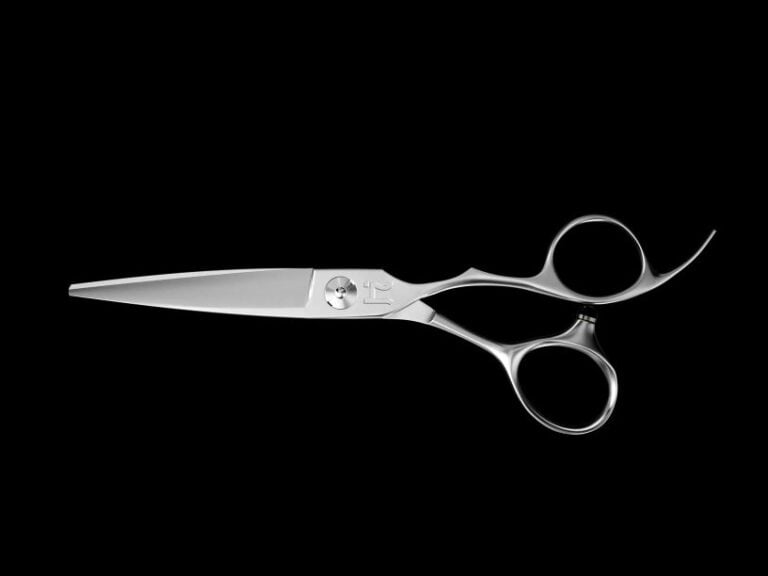
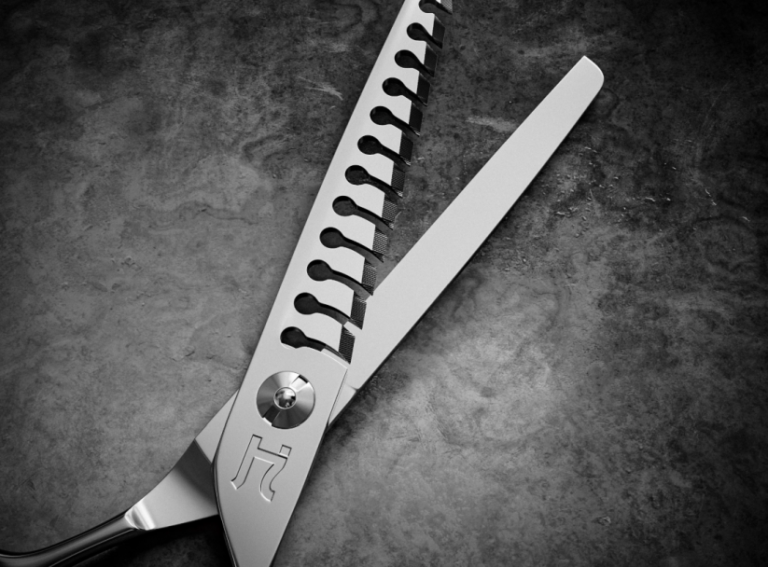
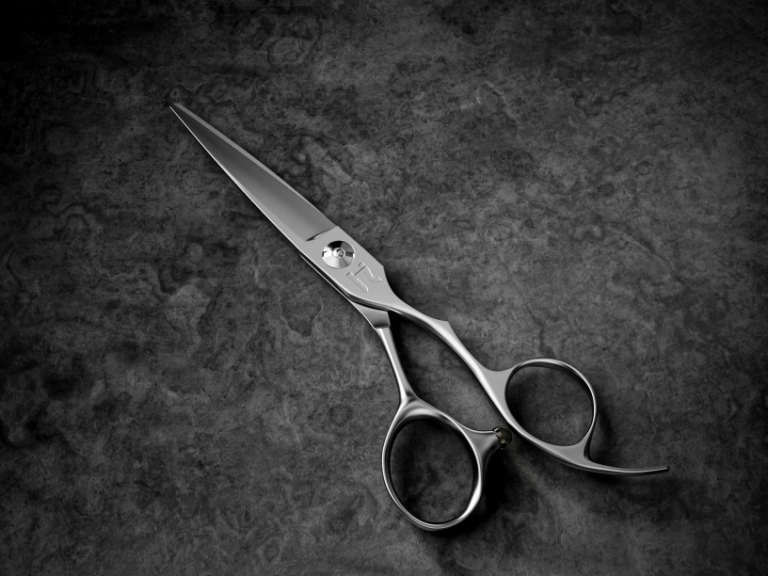
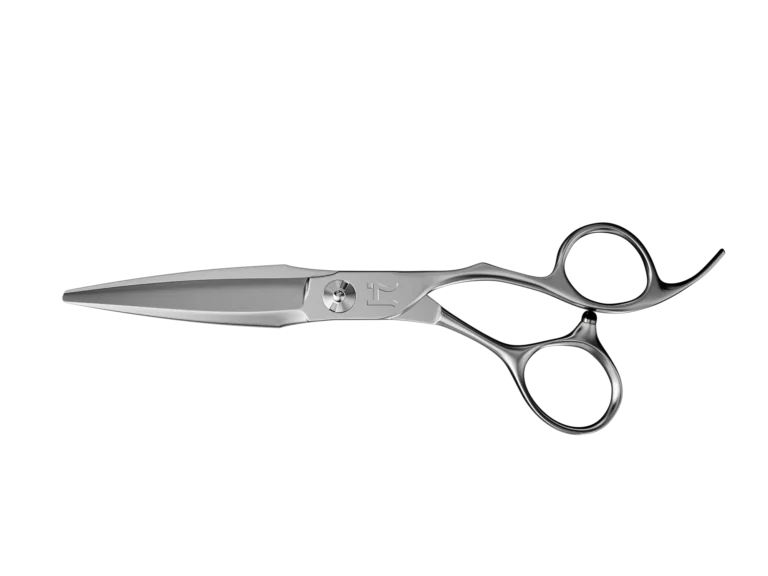
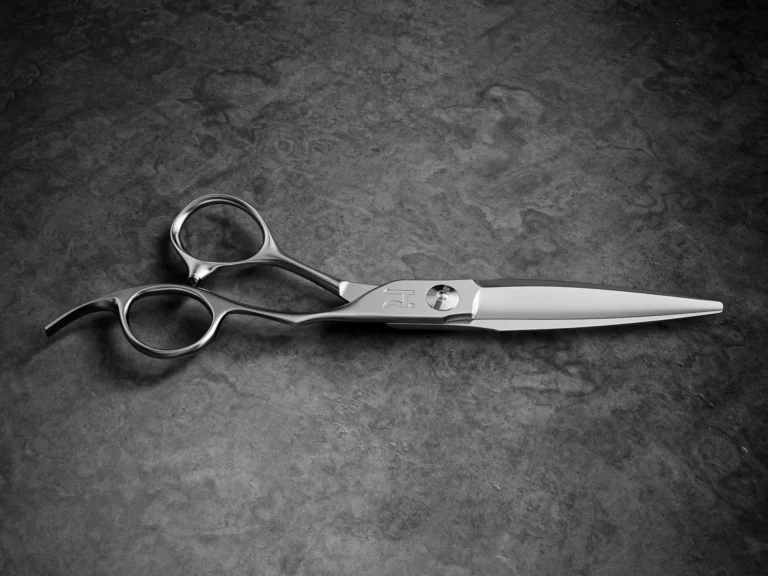
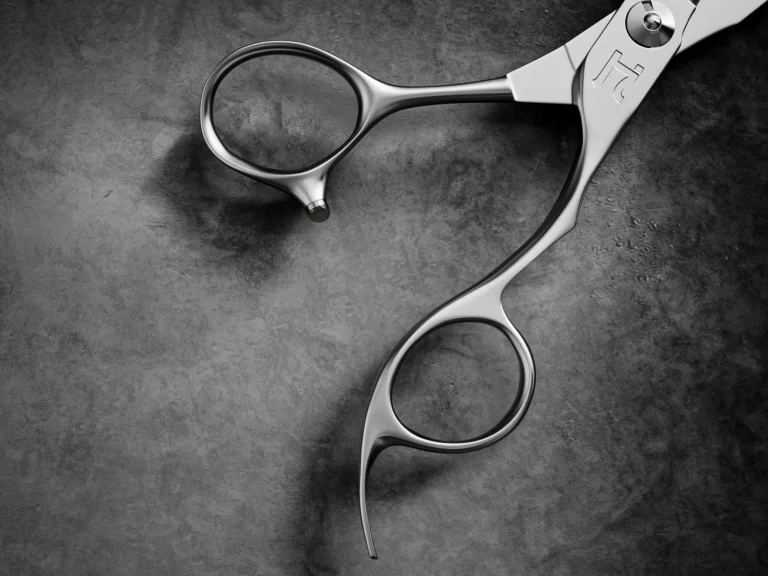
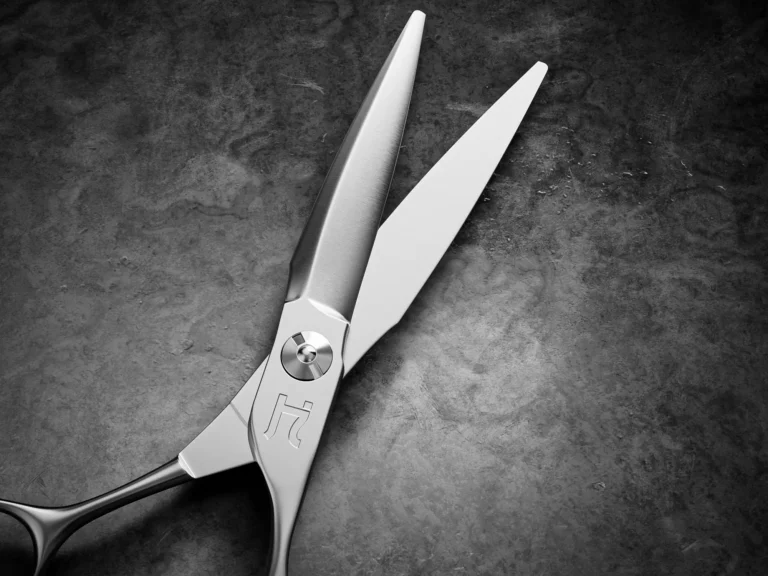
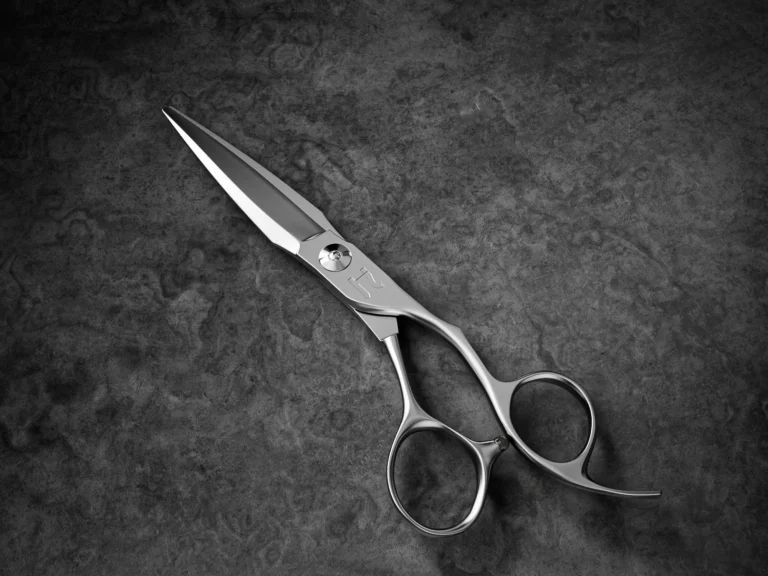
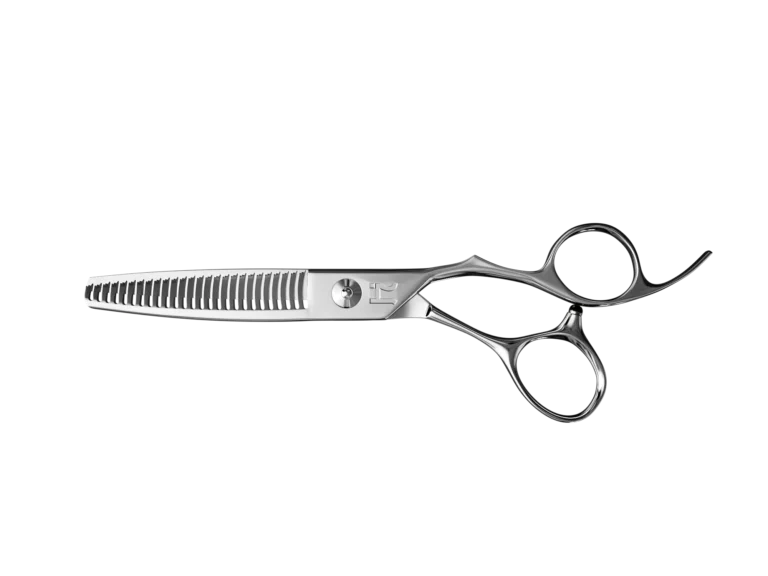
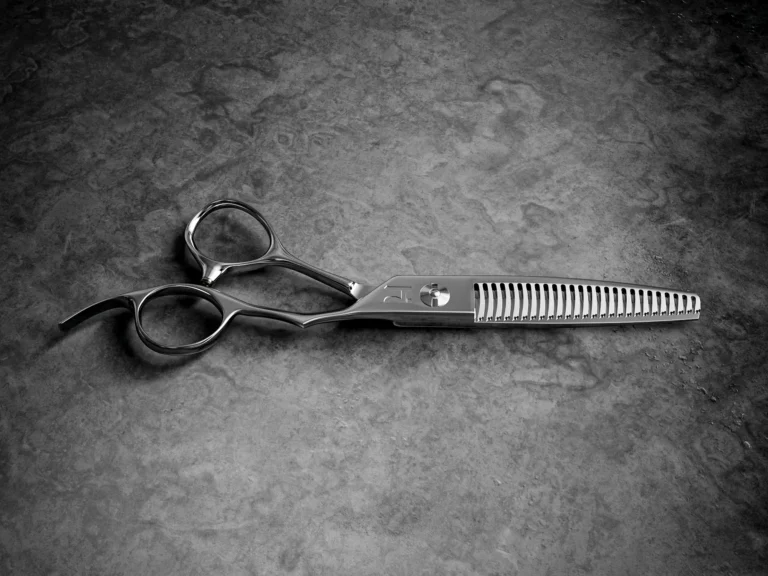
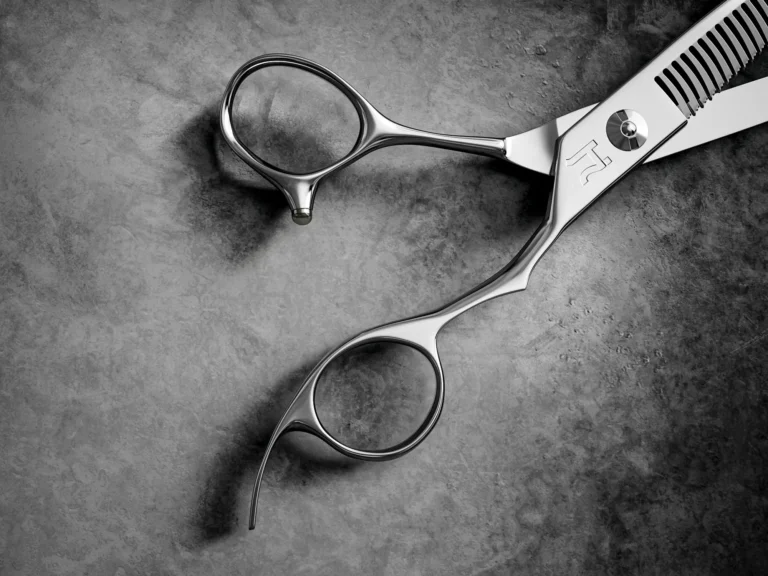
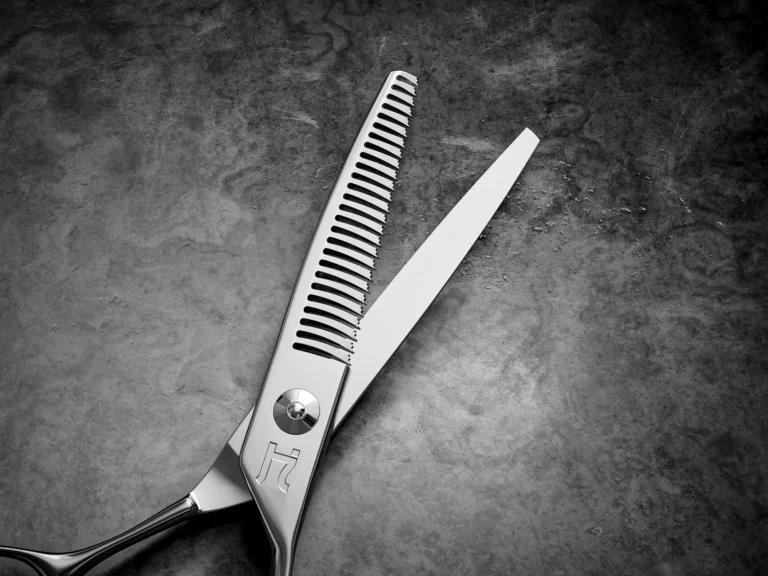
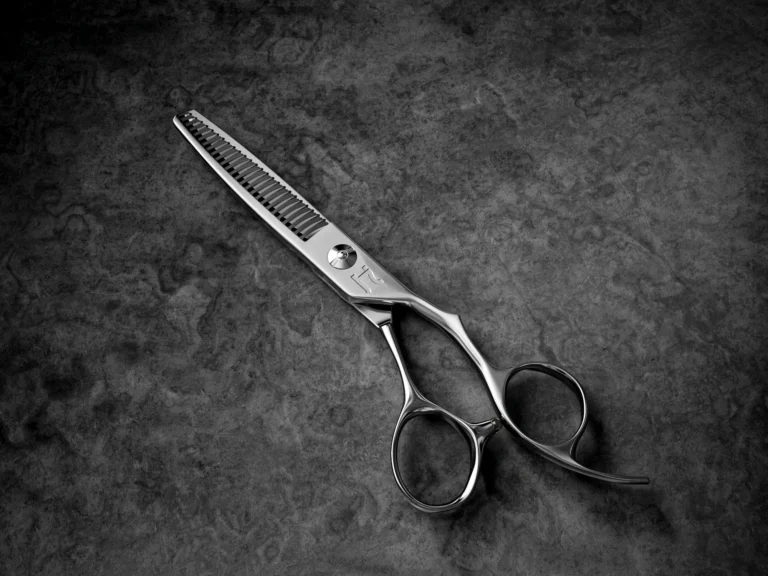
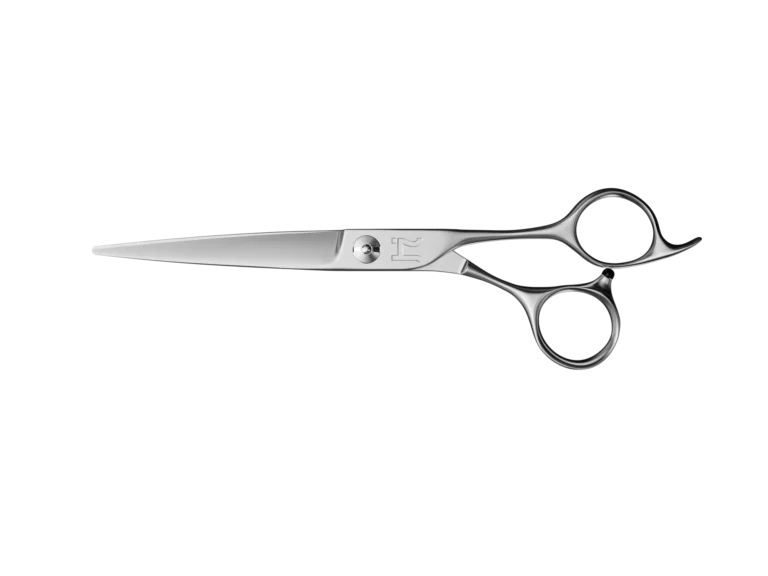
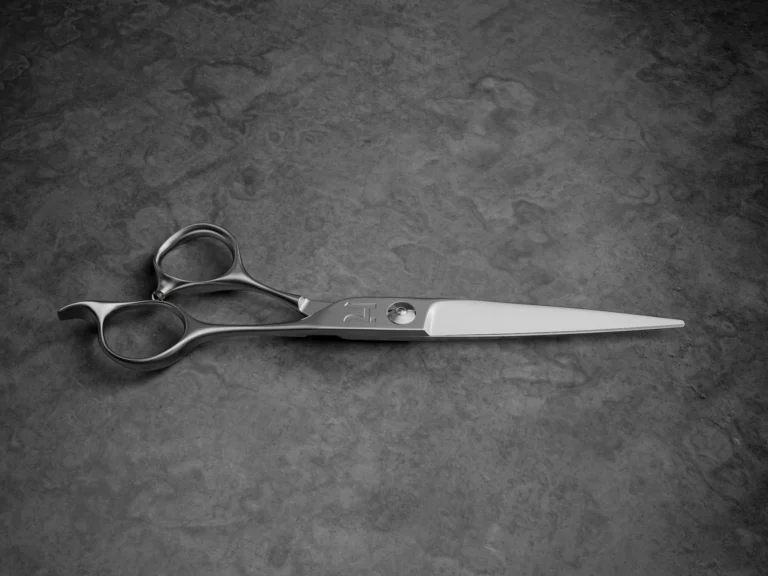
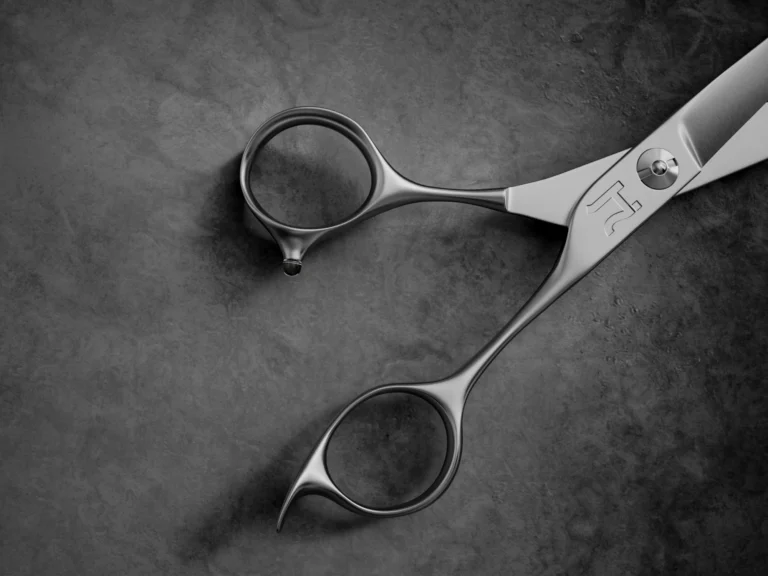
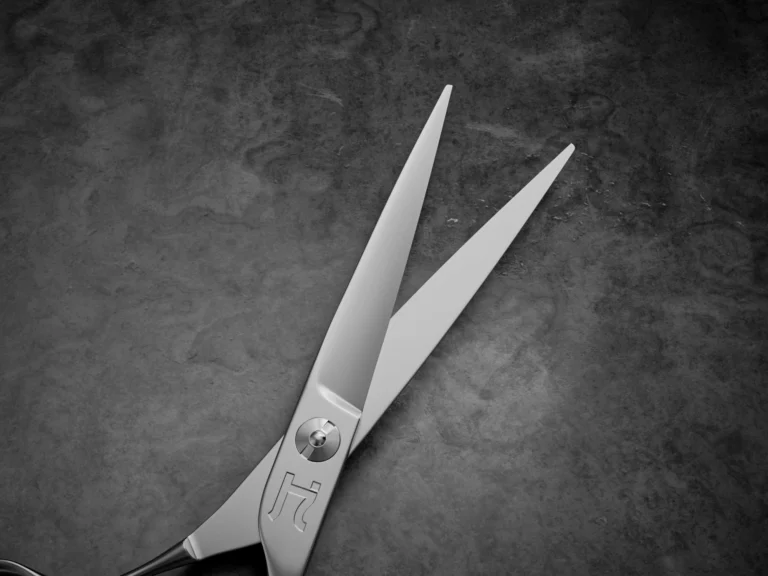
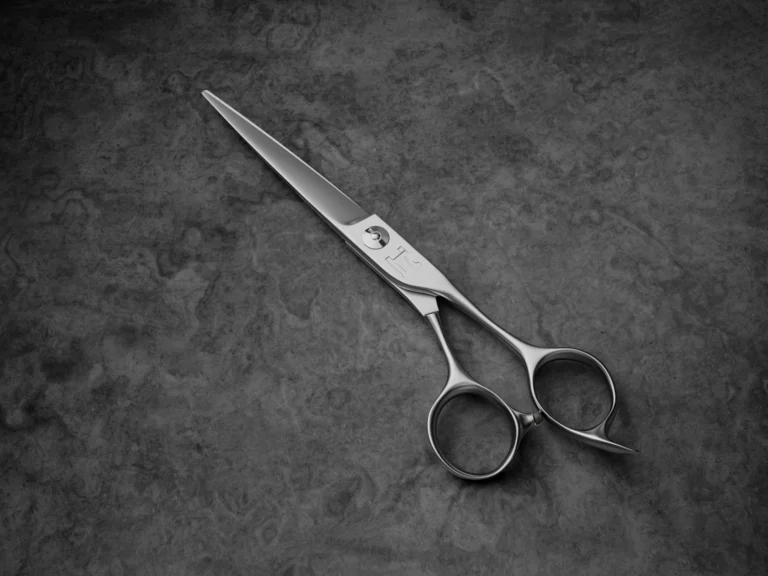
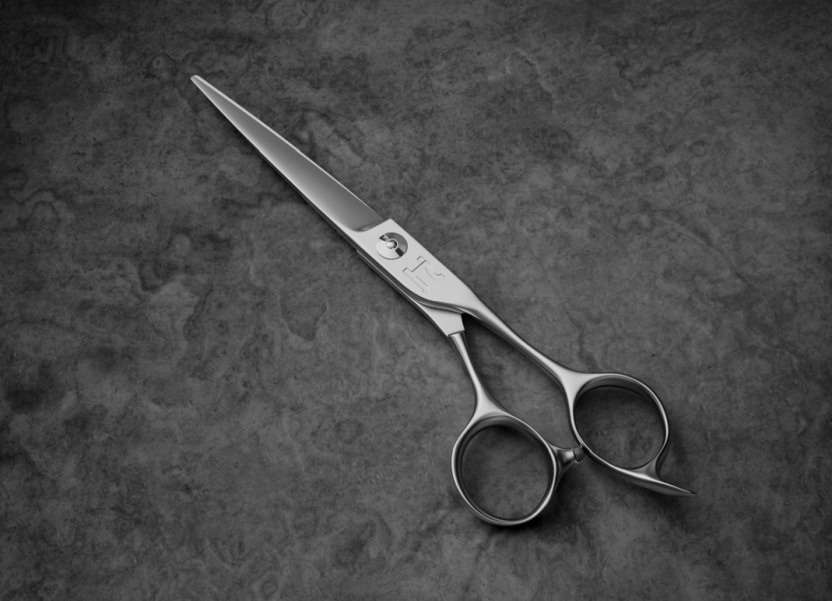
The HH8 Talon is a strong first serious investment because it is versatile enough for wet-to-dry work, available in a wide 5.0″ to 7.5″ size range, and built with a cobalt and molybdenum alloy. It has an offset handle, a lightweight feel, and balanced control, which makes it practical for stylists who are still developing their personal cutting system.
At $637, it is not an impulse purchase. That is the point. It is the kind of tool you buy when you are no longer just getting through haircuts. You are building a book, protecting your hands, improving consistency, and preparing to charge like a stronger professional.
The 15-day trial helps remove some of the risk. If you are unsure, test the shear behind the chair before committing. A serious tool should prove itself in your hand, on your clients, under your real schedule.
Final Thoughts
Ready to make the investment? Browse Hanzo’s full range of professional shears and find the right tool for the way you cut.