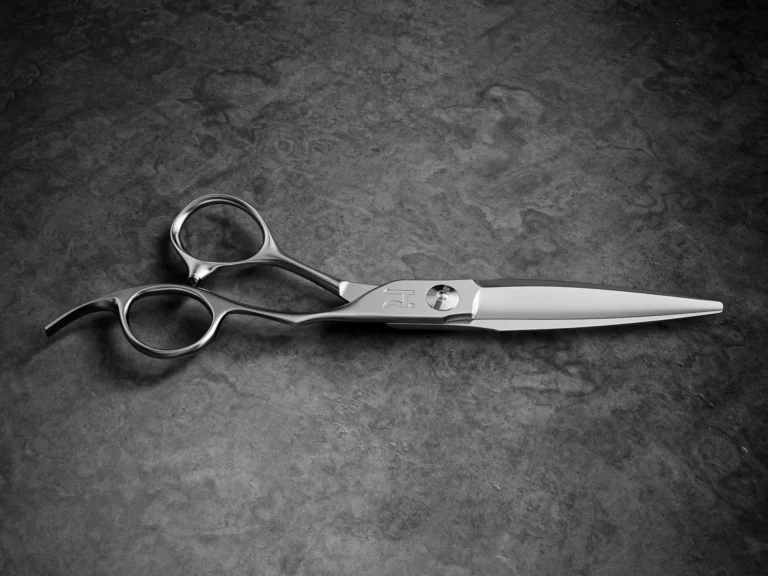
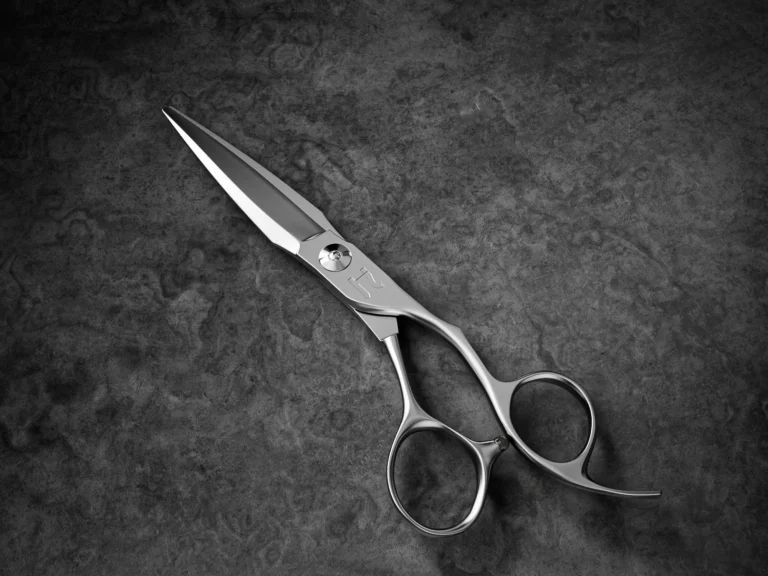
If you’re a working barber or stylist and you’ve been cutting on the same handle design for years, there’s a good chance your body has quietly adapted to it – not because it’s the right fit, but because adaptation is what bodies do.
The problem is that adaptation has a cost. A wrist that bends to compensate for a fixed thumb. An elbow that lifts because the handle geometry demands it. A shoulder that tightens by mid-afternoon for no obvious reason.
Handle geometry is one of the most overlooked variables in professional tool selection. This guide is written for licensed barbers and stylists who want to make a deliberate decision about it – not a general overview of shear types for students or beginners.
The four handle types – and why classic/opposing grip isn’t in this comparison
Most guides cover four handle types: classic (opposing grip), offset, crane, and swivel. Classic opposing grip is excluded from this comparison deliberately. It places the thumb and finger rings in direct alignment, which forces the elbow up and the wrist out on almost every technique. It’s still common in barbering shears and thinning scissors because of the leverage it provides, but from a strain standpoint it’s the worst option for high-volume daily cutting. If you’re currently on opposing grip and experiencing fatigue, switching to any of the other three will help.
This guide focuses on the decision that matters for working professionals: offset vs crane vs swivel.
Offset handles: the ergonomic baseline
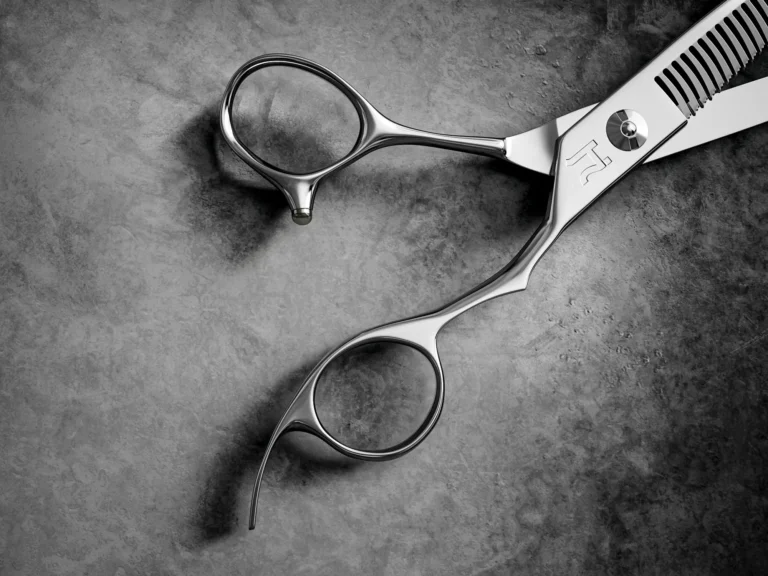
An offset handle shortens the thumb ring relative to the finger ring, which means your thumb doesn’t have to travel as far to open and close the shear. That reduction in thumb travel is the primary ergonomic benefit – it reduces the repetitive load on the thumb tendon and decreases the risk of strain at the base of the thumb over time.
What offset handles do not change is your elbow position. The blade and handle geometry still inclines toward requiring elbow elevation on many techniques, particularly when cutting above the horizontal plane or working around the ears and nape.
Offset is the right handle if:
- You’re earlier in your career and building muscle memory
- Your primary techniques are blunt cutting and basic layering
- You don’t yet have recurring elbow, shoulder, or wrist symptoms
- You want improved comfort over opposing grip without a significant adjustment period
Offset is not enough if:
- You do significant scissor-over-comb work and your elbow lifts constantly
- You’re already experiencing shoulder tightness or upper back fatigue
- You cut 8 or more clients daily and fatigue compounds through the day
Crane handles: the elbow solution
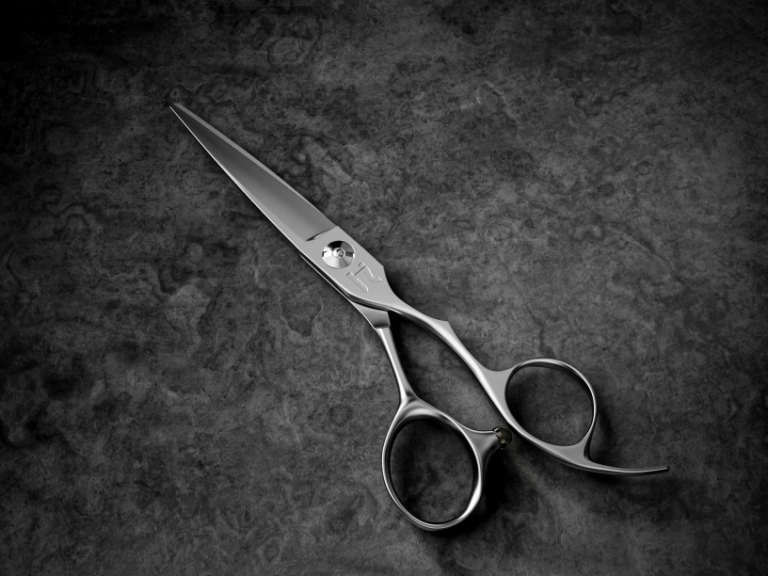
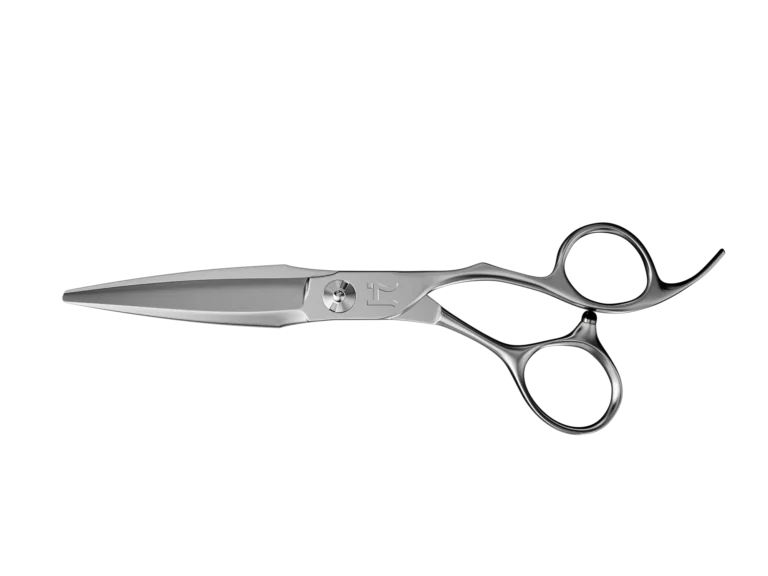
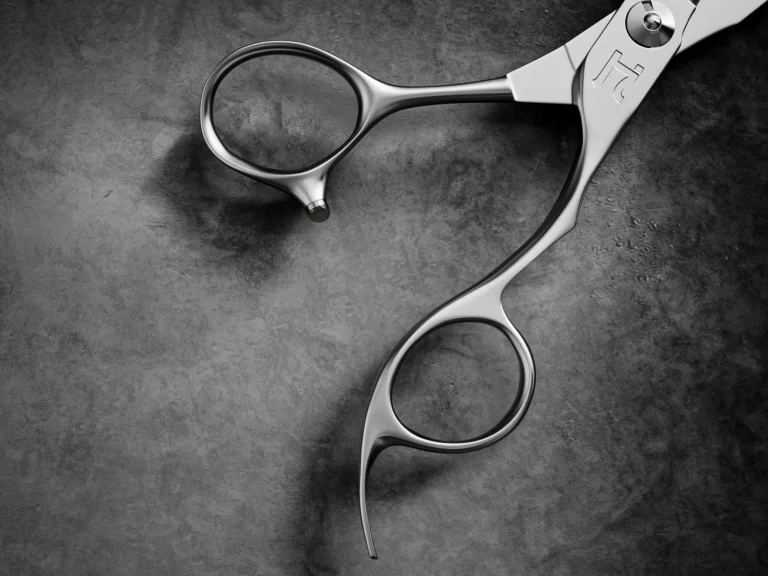
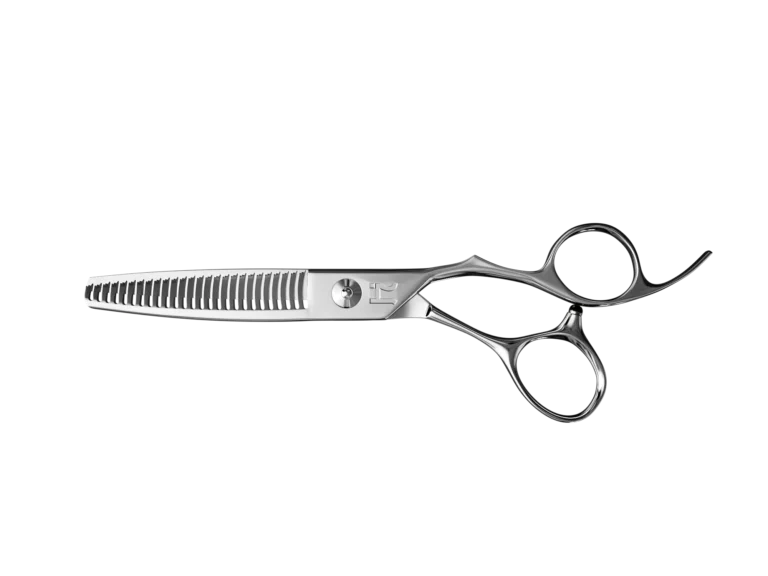
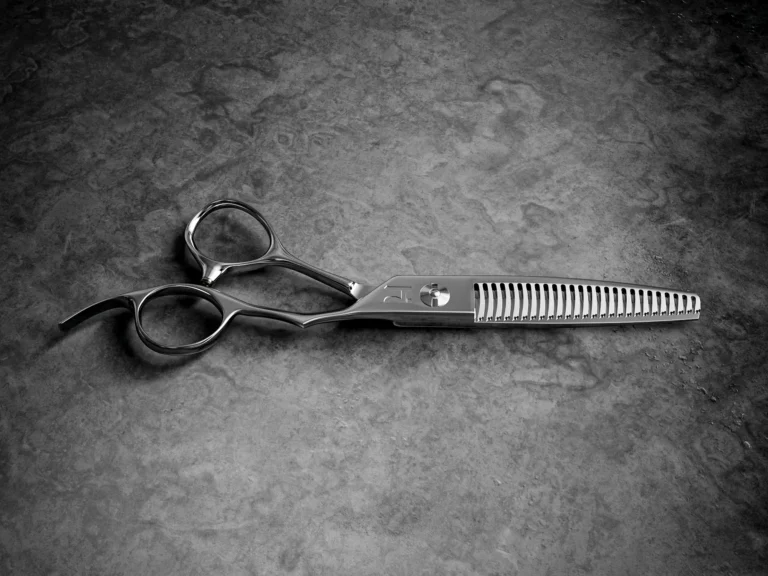
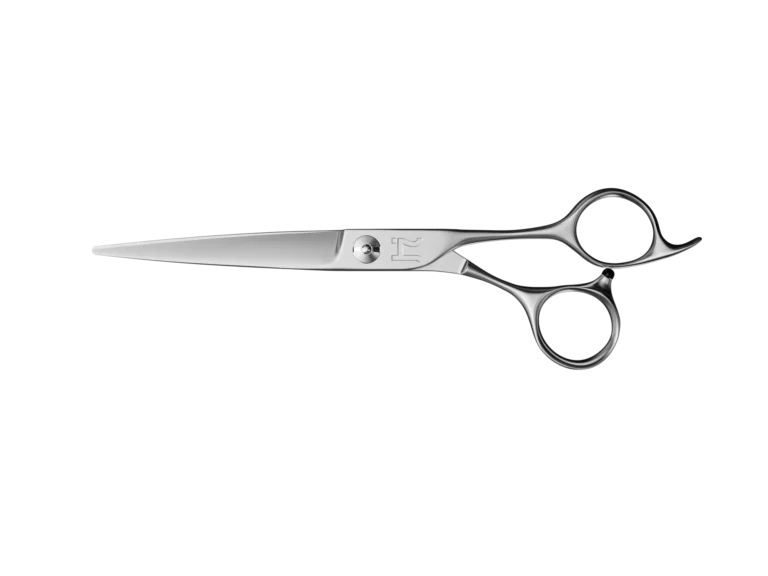
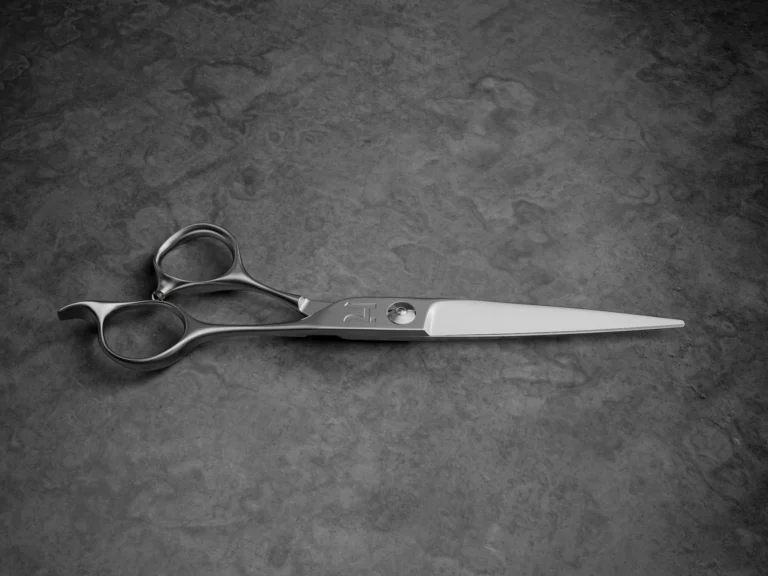
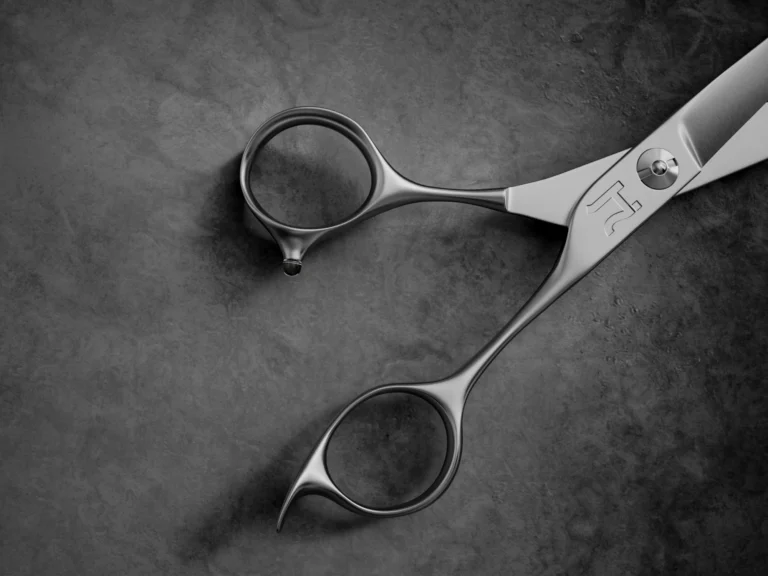
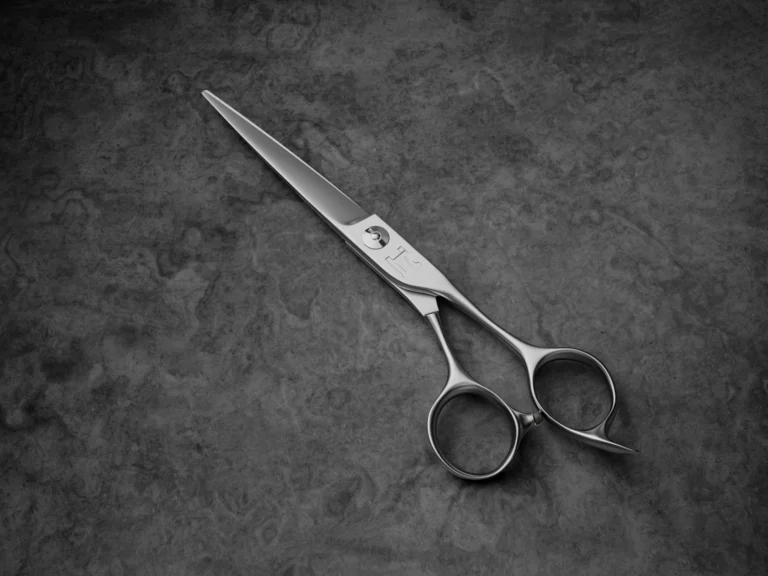
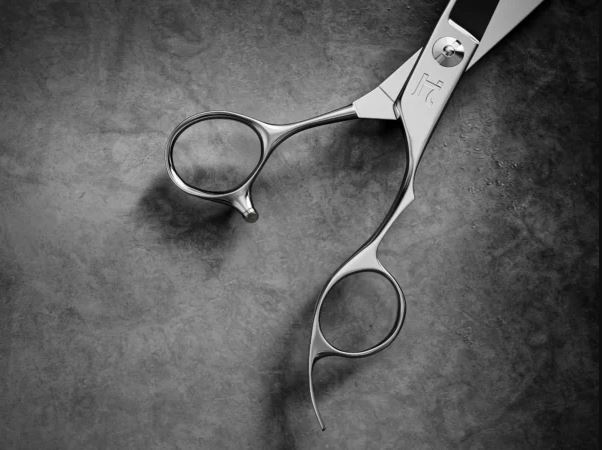
A crane handle takes the offset geometry further. The thumb ring is positioned lower and at a more pronounced angle, which forces your elbow to drop naturally as you cut. That dropped elbow position is what makes crane handles genuinely different from offset – not just the thumb travel reduction, but the whole-arm postural shift.
When your elbow drops, your shoulder follows. The chain reaction is noticeable over a full day of cutting: less upper trap tightness, less shoulder elevation, less of that end-of-day ache across the upper back that many stylists have come to accept as normal.
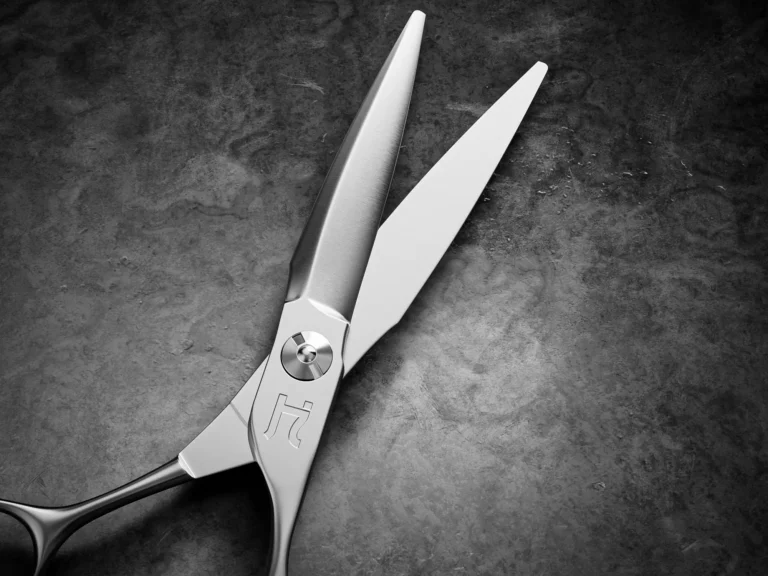
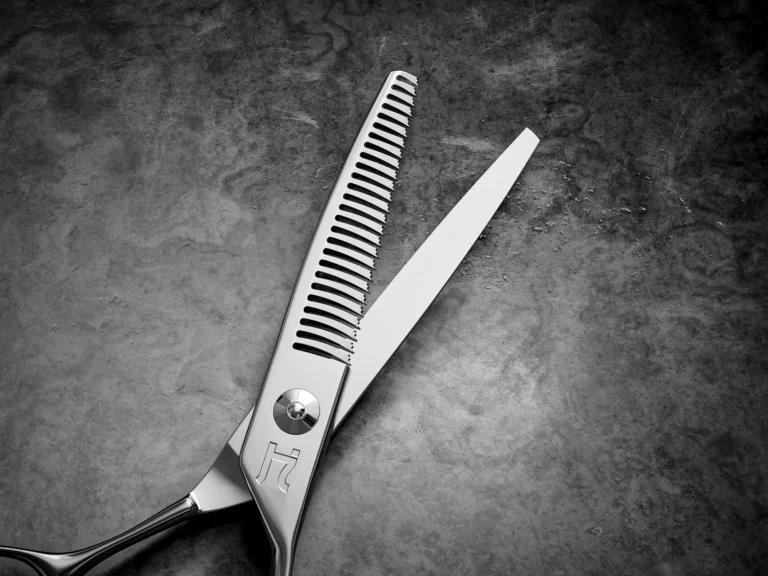
The crane handle has one mechanical trade-off worth knowing: the top blade is completely straight. When cutting horizontally, this means the blade angles downward slightly, which requires you to lower your elbow to keep the cut line level. For most techniques this is exactly what you want. For stylists who cut with a consistently upward wrist angle, the adjustment period can feel disorienting at first.

Crane is the right handle if:
- You do significant scissor-over-comb, overhead layering, or graduation work
- You’re experiencing shoulder or upper back fatigue that offset hasn’t resolved
- You cut high volume – 6 or more hours daily – and want cumulative strain reduction
- You want the ergonomic benefits of swivel without the adjustment period that comes with it
Crane is not enough if:
- Your fatigue is specifically in the wrist and thumb, not the elbow and shoulder
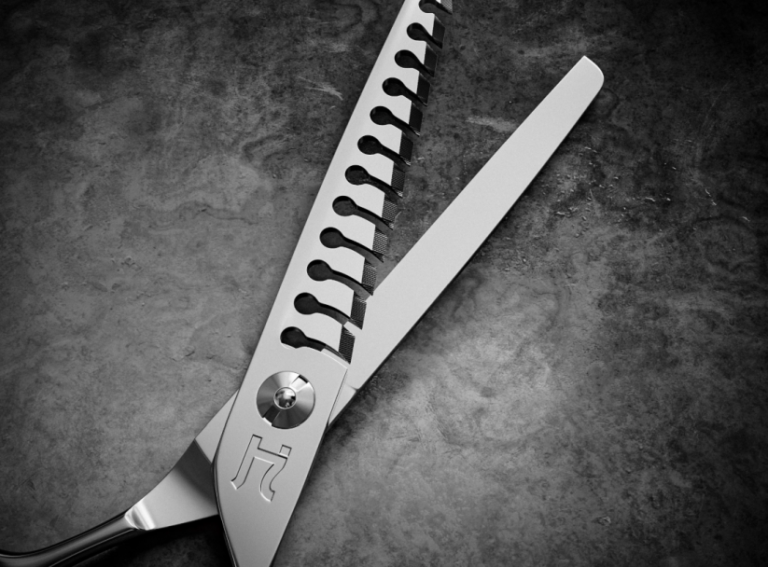
- Your techniques require constant angle variation – slide cutting, detailed dry cutting, heavy texturizing
- You’ve already tried crane and still notice wrist compensation during precision work
Swivel handles: freeing the thumb
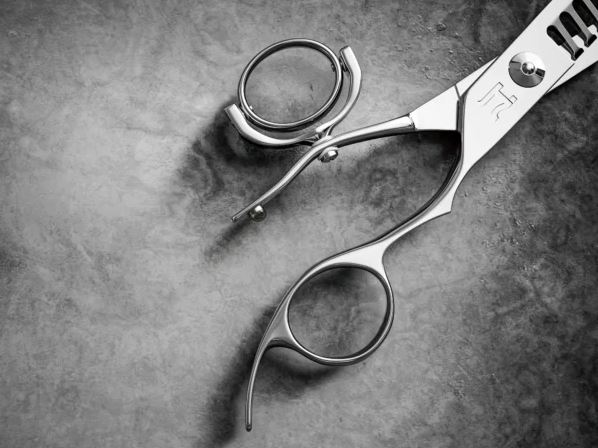
Where crane handles fix the elbow position through geometry, swivel handles address what crane cannot: the thumb. A swivel thumb ring rotates independently, which means your thumb can follow the motion of the cut rather than forcing your wrist to find the angle.
The practical effect is that your wrist stays closer to neutral on more techniques. You’re not forcing sideways bend or upward tilt to create angles during point cutting, dry cutting, or working around the head – the thumb moves instead. As covered in the swivel thumb shears guide, that one change affects the entire movement chain from thumb through wrist to elbow to shoulder.
Swivel handles require an honest adjustment period – most professionals need one to two weeks of consistent use before the movement feels natural. Stylists who try swivel for three days, find it unfamiliar, and go back to offset have not given it a real trial. The initial feeling of looseness is not a flaw, it’s a transition.
Swivel is the right handle if:
- Slide cutting, dry cutting, or detailed texturizing is a significant part of your daily work
- You’re noticing wrist fatigue or compensation that crane hasn’t resolved
- You do heavy detail work – point cutting, working close around the ears, intricate angles
- You’re willing to commit to a genuine adjustment period before judging the result
Swivel is less necessary if:
- Your work is predominantly blunt cutting with minimal angle variation
- You already maintain strong neutral wrist positioning naturally
- You prefer the predictability of a fixed thumb position for precision line work
The diagnostic approach: what your body is telling you
Rather than starting from handle specifications, start from symptoms. The handle your body needs is usually the one that addresses where your compensation is happening.
Watch yourself in a mirror during a typical cut and look for these signals:
| What you notice | What it likely means | Handle to consider |
| Elbow lifts regularly during scissor-over-comb or overhead work | Shoulder and upper back strain from elbow elevation | Crane |
| Wrist bends sideways or tilts upward to find angles during point cutting or slide cutting | Wrist compensation from fixed thumb | Swivel |
| Thumb fatigue or soreness at the base of the thumb after a long day | Excessive thumb travel on opposing or basic offset | Offset (from opposing) or crane |
| Shoulder tightens even with elbow relatively down | Likely a combination – wrist compensation propagating up | Swivel or offset-swivel combination |
| No specific symptoms but cutting 8+ hours daily | Prevention is the right conversation | Crane minimum |
These handles are not mutually exclusive
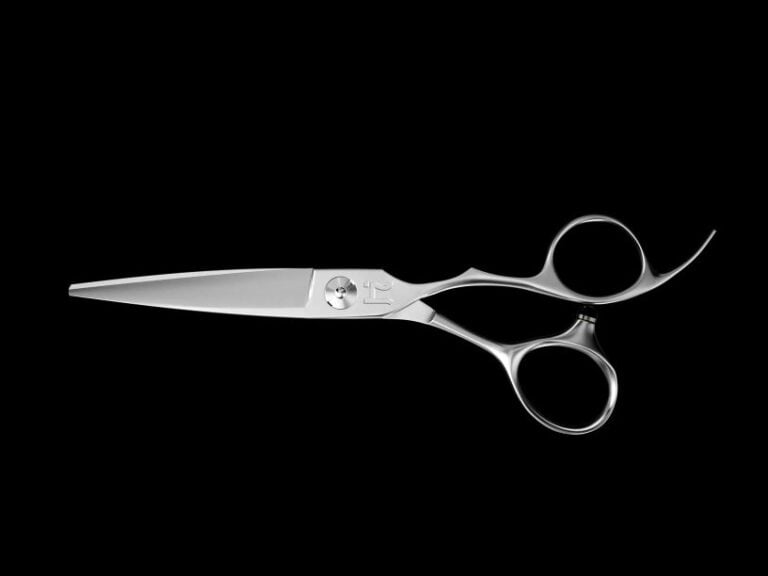
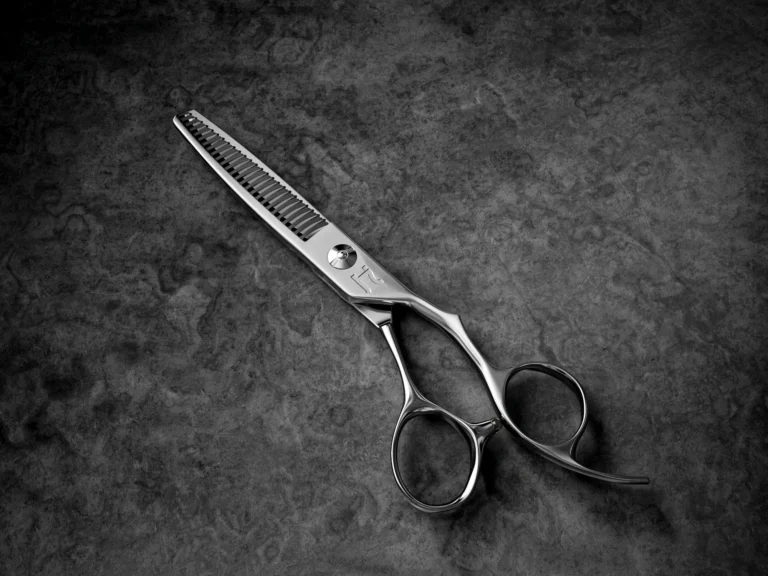
One thing the handle comparison guides rarely address: many Hanzo shears combine handle features. An offset swivel gives you reduced thumb travel plus free thumb rotation. A crane swivel gives you the dropped elbow position plus the free thumb. The combination models exist specifically because different techniques ask for different things from the same pair of hands across a full day.
If you do blunt and layered work in the morning and slide cutting and texturizing in the afternoon, a single handle type may not be the complete answer. Understanding what each design element does – and where your body is compensating – puts you in a better position to have that conversation with whoever fits your shears.
Where tension and edge fit into this
Handle geometry affects strain. But it works alongside two other variables that are worth checking before assuming a handle change is what you need.
Shear tension that runs too tight increases the closing force required on every cut – that accumulates into hand and forearm fatigue regardless of handle design. And an edge type that creates drag during your primary techniques forces the hand to work harder to push through resistance. If you change handles without addressing tension and edge, you may reduce one source of strain while leaving others in place.
The right sequence is: tension first, edge second, handle third. Handle geometry has the longest adaptation period and the largest technique impact, so it makes sense to rule out the faster fixes before committing to a handle change.
Recommended Hanzo handles by cutting profile
If you’re primarily a barber doing scissor-over-comb, fades, and blunt work: Browse the Hanzo shears range and look for crane and offset models. The dropped elbow position of crane is particularly valuable for scissor-over-comb volume.
If you’re a stylist doing slide cutting, dry cutting, and detailed texturizing: Swivel models in the Hanzo swivel series are built for this work. The 15-day test drive through the Try Hanzo program lets you evaluate fit in real cutting conditions before committing.
If you cut across a wide range of techniques daily: Combination offset-swivel or crane-swivel models offer the most adaptability. If you’re unsure which fits your hand and practice, Hanzo’s local representative network exists specifically to match tool design to how you actually work.
Frequently Asked Questions
I use an offset handle and still get shoulder pain – does that mean I need crane handle?
Almost certainly yes. Offset handles reduce thumb travel but don’t change your elbow position – your elbow still lifts on many techniques, and your shoulder carries that load across a full day. Crane handles address this directly by forcing the elbow to drop through geometry. If your shoulder and upper back tighten consistently and your current handle is offset, crane is the next logical step. The adjustment period is short compared to swivel and the postural benefit shows up quickly.
What is the actual difference between crane and offset – they look similar?
They do look similar but the functional difference is significant. Both shorten the thumb ring relative to the finger ring. The difference is the angle. A crane handle places the thumb ring at a more pronounced downward angle, which forces your elbow to drop when you cut. An offset handle doesn’t do this – your elbow can still lift freely. Over a full day of cutting, that elbow position difference translates directly into how much strain accumulates in the shoulder and upper back.
Can I switch from offset directly to swivel or should I go through crane first?
You can go directly to swivel if that’s where your symptoms point. Going through crane first is not a requirement – it’s just that crane has a shorter adjustment period and some professionals find it easier to adapt to one change at a time. If your primary complaint is wrist compensation during slide cutting or detailed work rather than elbow and shoulder strain, swivel addresses the right problem. If it’s elbow and shoulder first, crane is the more targeted fix.
I do mostly scissor-over-comb – which handle is better for me, crane or swivel?
Crane is usually the better starting point for scissor-over-comb dominant work. That technique requires your elbow to be in a relatively elevated position and crane geometry counteracts the strain from that elevation by naturally dropping the elbow between cuts. Swivel adds thumb freedom on top of that, which helps during detailed finishing work around the ears and nape. If you do high volume scissor-over-comb and want maximum strain reduction, a crane-swivel combination handles both.
My fatigue is specifically in my thumb and the base of my hand – which handle addresses that?
That’s a thumb tendon strain, and it points toward two possible causes. If you’re on opposing grip, switching to offset will reduce thumb travel significantly and usually resolves this. If you’re already on offset or crane and still getting thumb fatigue, the issue is the fixed thumb position requiring repeated force – and swivel is the answer because it removes the repetitive load on the thumb entirely by letting it rotate rather than resist.
Is there a handle that works for both blunt cutting and slide cutting without switching shears?
An offset swivel or crane swivel combination handles this best. The offset or crane geometry addresses elbow position for your blunt and structural work, and the swivel thumb handles the angle variation required for slide cutting and texturizing. Single handle type shears ask you to compromise on one technique or the other. If you cut across a wide range of styles daily, combination handle models are worth evaluating.
How do I know if my handle is causing my fatigue or if it’s something else?
Check tension and edge before assuming it’s the handle. Tension that’s too tight increases closing force on every cut regardless of handle design. An edge type that creates drag forces your hand to work harder through resistance. If you’ve confirmed tension is correct and your edge matches your technique, then watch yourself in a mirror during a typical cut. Look for elbow elevation during scissor-over-comb, wrist bend during angle work, or thumb strain during repetitive opening and closing. Where the compensation is happening tells you which handle feature addresses it.