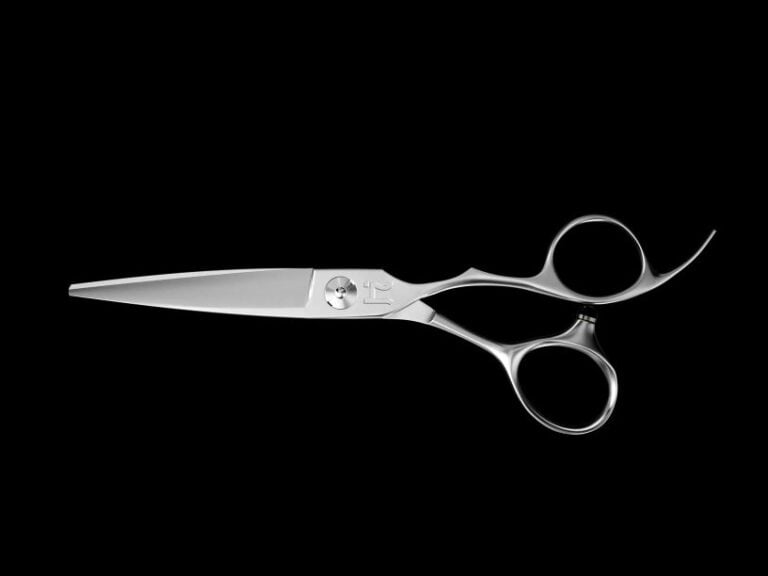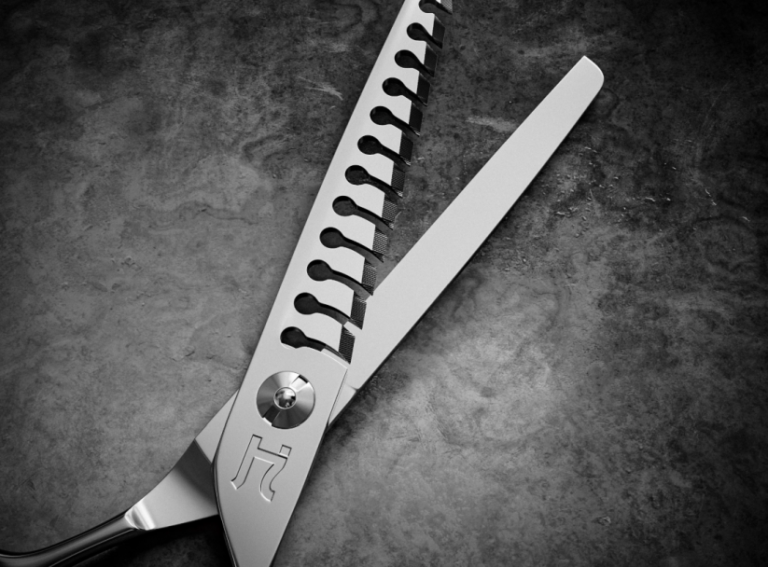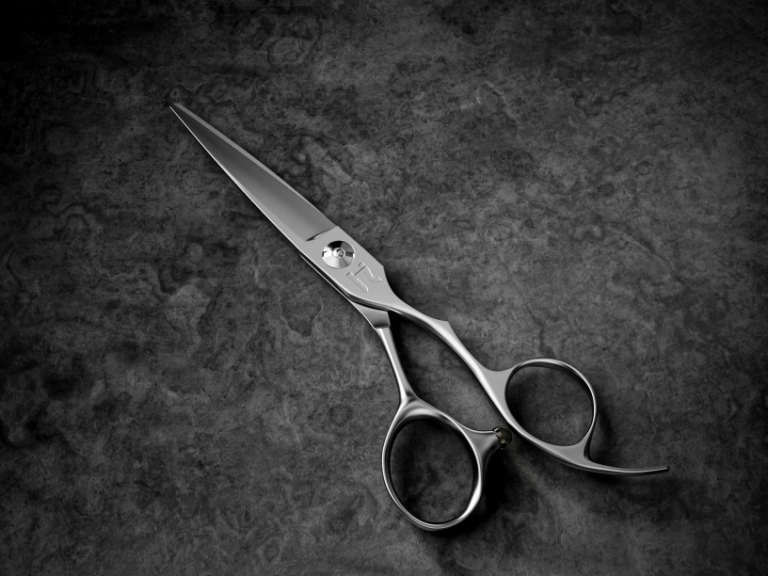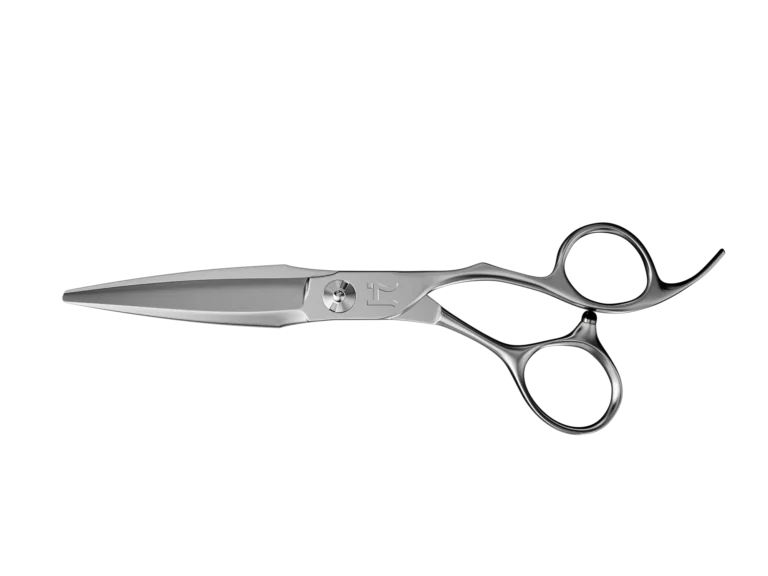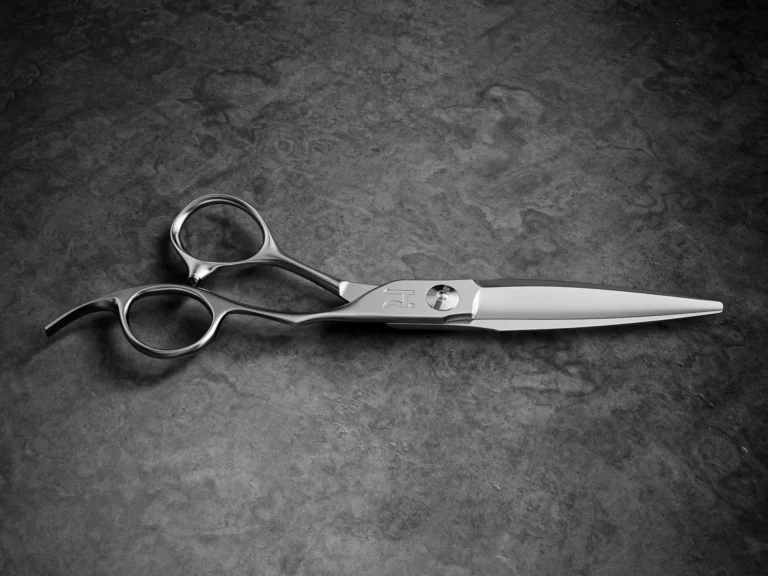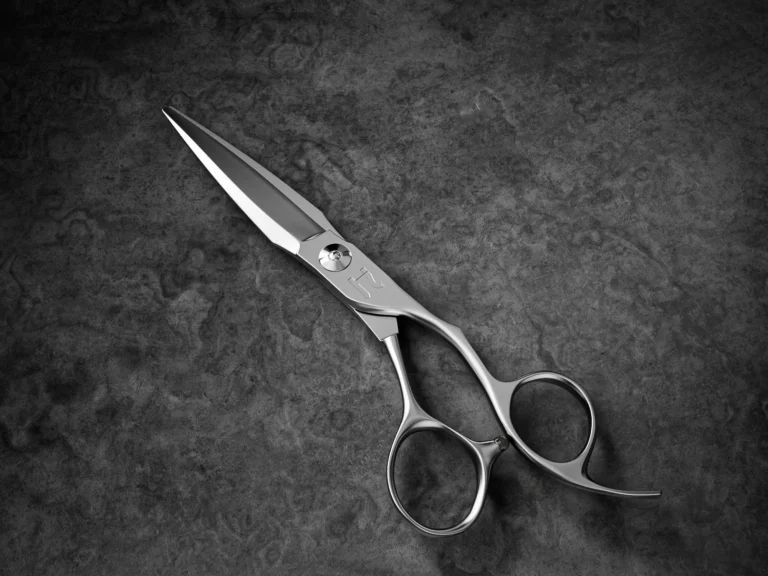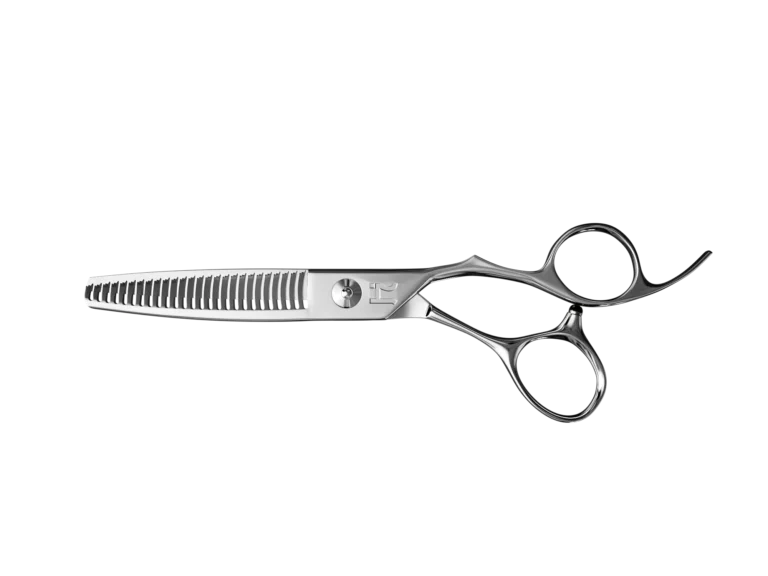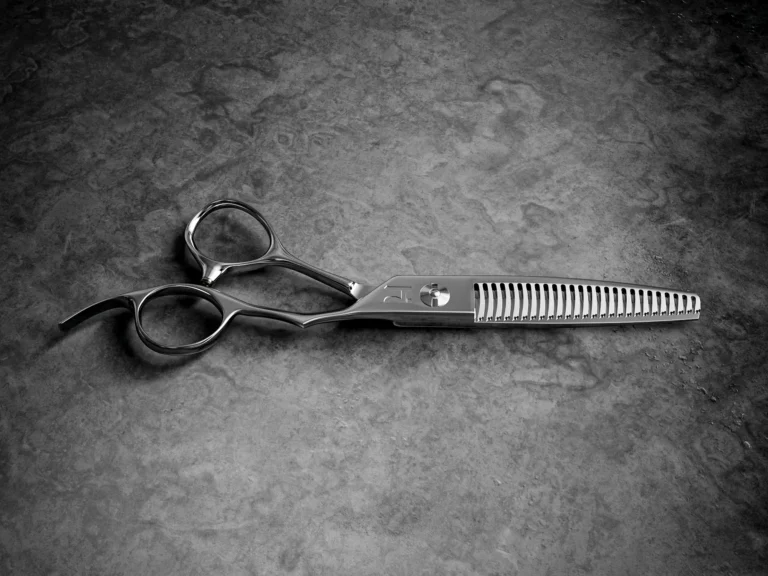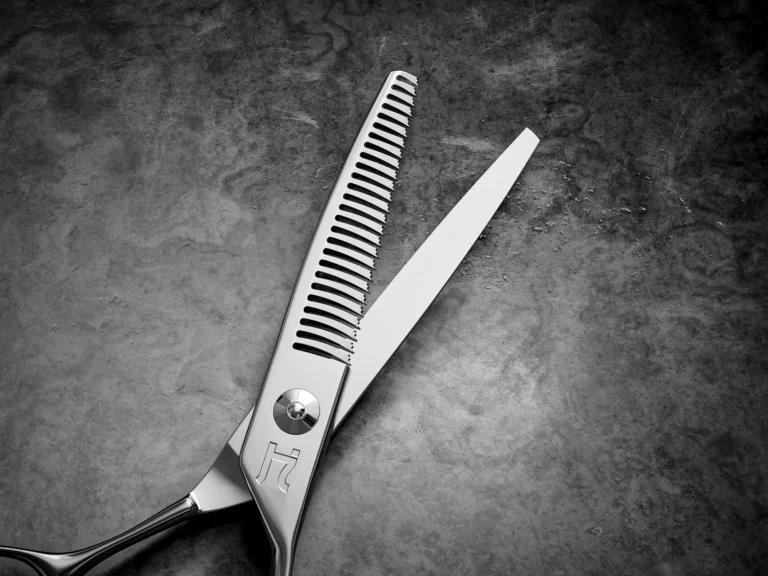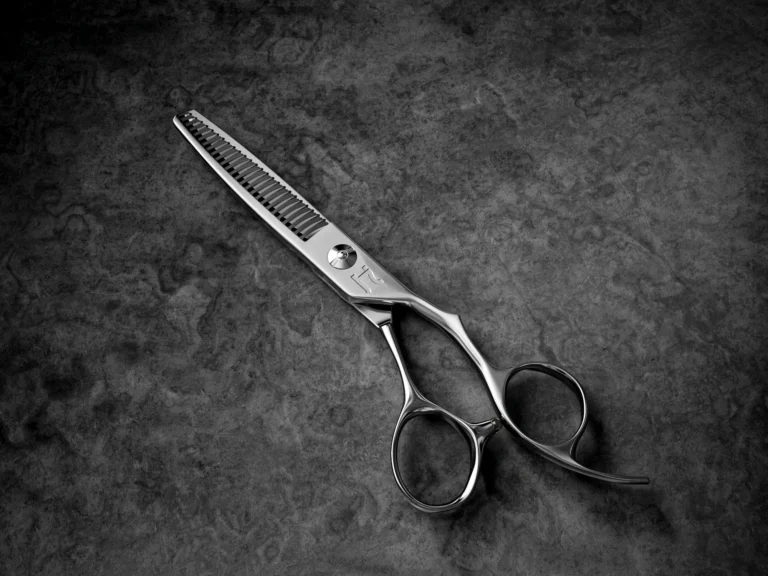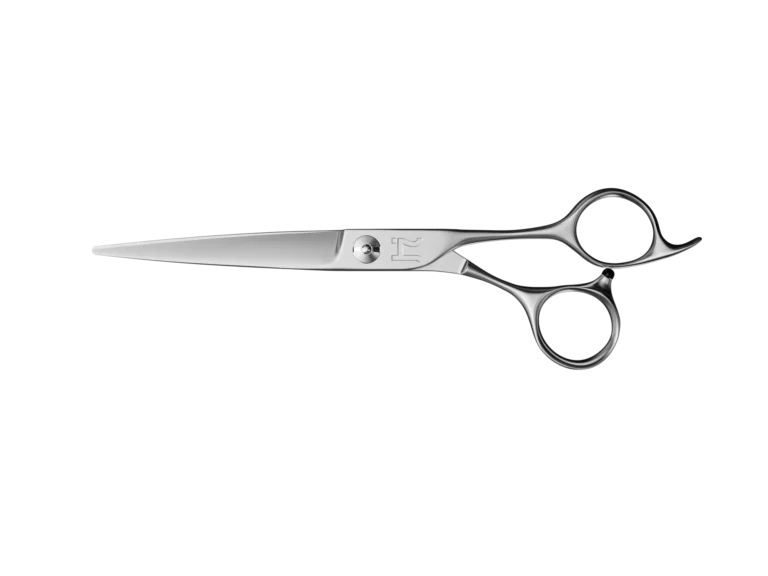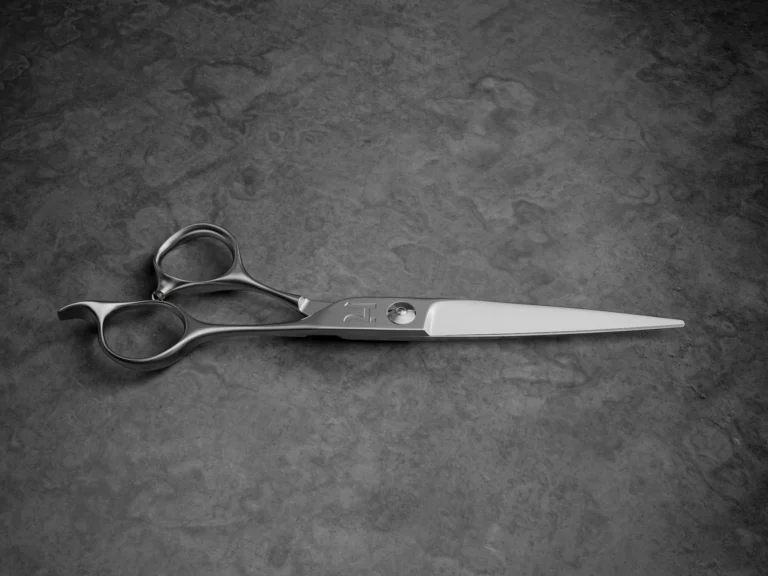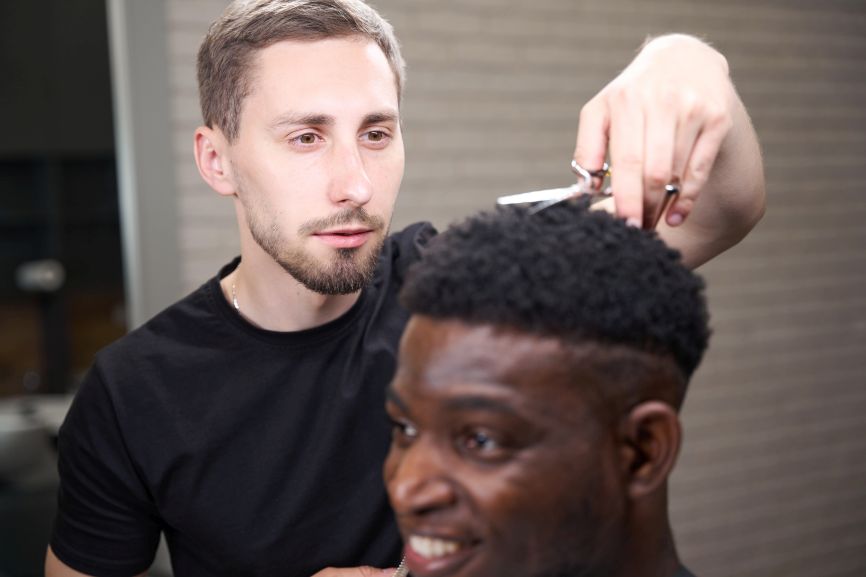
For stylists, barbers, cosmetology students, and anyone buying tools for a working hair professional, the difference between professional shears vs regular scissors is not just price. It is cut quality, hand comfort, blade control, edge life, and whether the tool can keep up with real work behind the chair. Hanzo builds haircutting tools for licensed professionals who need cleaner results, better control, and tools that support their hands through long cutting days.
The Short Answer
The short answer: professional shears are engineered specifically for cutting human hair. The steel, blade geometry, edge type, handle shape, balance, and tension system are all designed for daily haircutting. Regular scissors are general-purpose tools made for paper, packaging, crafts, or light household use. The difference shows up immediately in how the blade moves through hair, how much force your hand uses, and how long the edge stays sharp. For a stylist, barber, or serious cosmetology student, the right tool makes the haircut cleaner and the workday easier.
Steel Quality
One of the biggest differences between hair shears vs scissors is the steel.
Regular scissors usually use basic stainless steel. That is not automatically bad. Stainless steel works fine for cutting paper, tags, plastic packaging, or light craft materials. The priority is corrosion resistance and affordability, not high-performance cutting against fine hair fibers all day.
Haircutting shears are different. The steel has to hold a sharper edge, resist wear, and support a more refined blade shape. High-end salon shears often use high-carbon Japanese steel, cobalt-molybdenum alloys, nano-powder steel, and other advanced alloys designed for sharpness, strength, and edge retention.
That matters because hair is more delicate than people think. A dull or poorly made edge does not simply “cut worse.” It can push hair away, bend the strand, or crush the ends before separating them. Behind the chair, that means less control, more repeated passes, and a finish that does not feel as clean.
In practice, better steel means:
- The blade can be honed to a finer edge.
- The edge can stay sharp longer.
- The stylist uses less hand force through each section.
- The cut line looks cleaner with fewer bent or chewed ends.
- The shear can be properly serviced over time.
This is why professional scissors vs regular scissors is not a cosmetic comparison. It starts with the metal.
Blade Geometry and Edge Type
Blade geometry is where the difference becomes obvious.
Regular scissors usually have a simple, flat-ground blade made for general cutting. They close, pinch the material, and separate it. That works on paper. It does not work well on hair, especially when the stylist needs precision, softness, or controlled movement through a section.
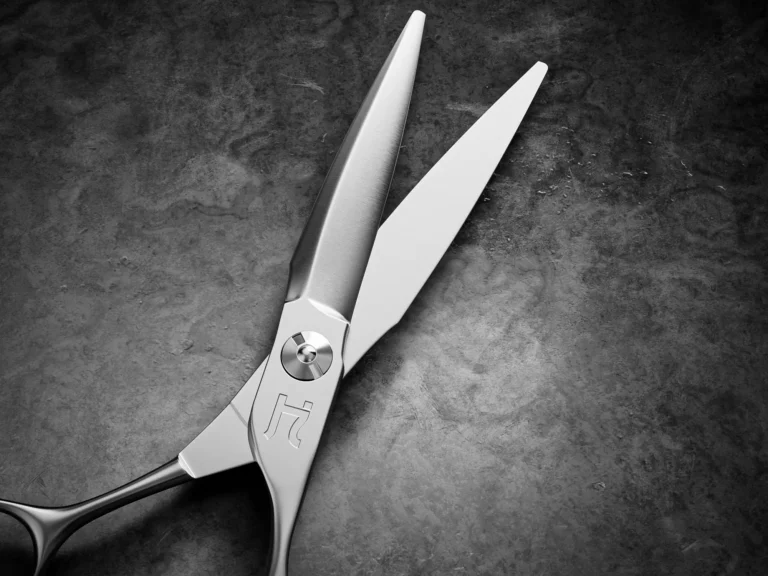
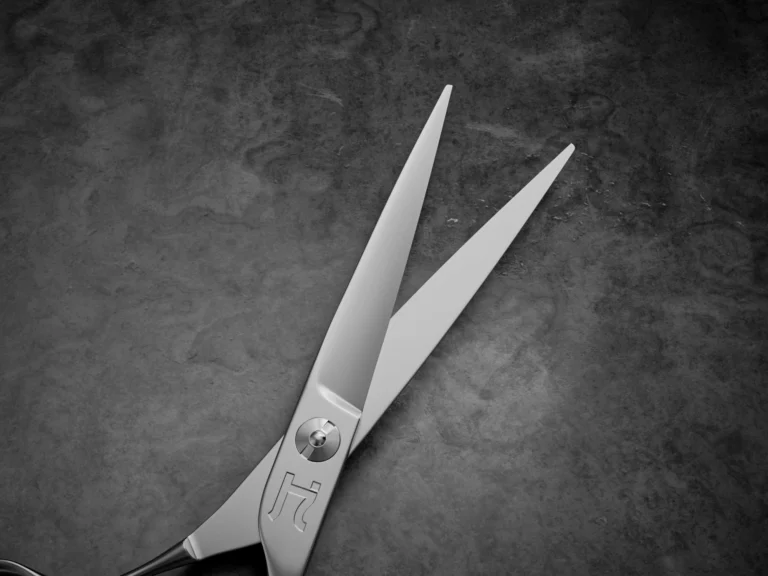
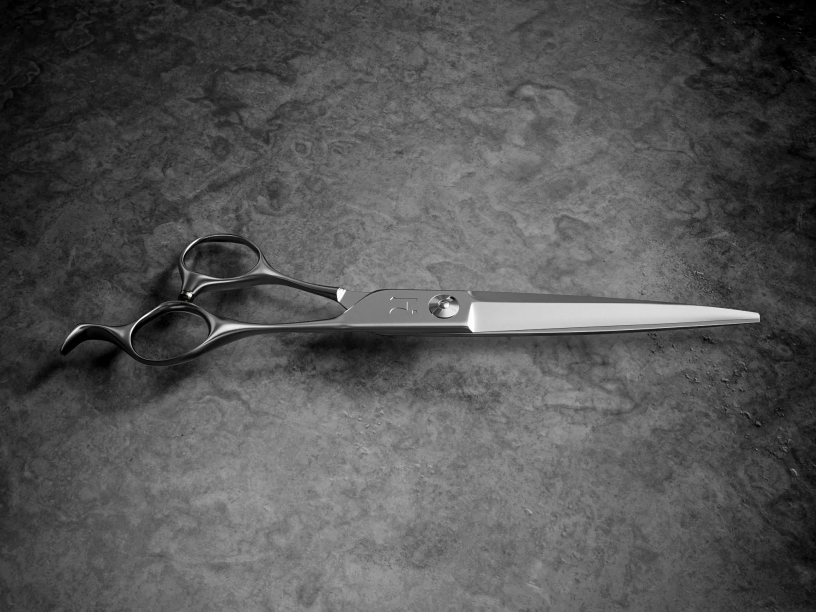
Haircutting shears are built with more specialized blade geometry. Many salon tools use convex, semi-convex, or beveled edges depending on the intended cutting style. A convex edge is smoother and sharper, making it well suited for advanced cutting motions. A beveled edge is often more durable and gives a slightly different feel through the hair.
For a deeper technical comparison, see the full guide on convex vs beveled edge shears that explains how edge design affects slide cutting, point cutting, and dry cutting.
Here’s the thing: the blade does not just cut the hair. It controls the technique.
A stylist needs the blade to open and close smoothly, hold the section in place, and create the result intended by the hand. If the blade is too thick, too dull, or ground at the wrong angle, it fights the motion. Slide cutting becomes draggy. Point cutting feels choppy. Dry cutting becomes unpredictable.
That is the real difference between shears and scissors. One is engineered around technique. The other is engineered around basic utility.
Ergonomics and Handle Design
Regular scissors usually have a straight, symmetrical handle. Both finger holes are often aligned in a simple shape that works for quick household tasks. For occasional use, that is fine.
But behind the chair, cutting is repetitive work. A stylist may cut for 8 to 10 hours in a day, often with the wrist turned, elbow lifted, fingers moving, and shoulders holding position. That repetition adds up.
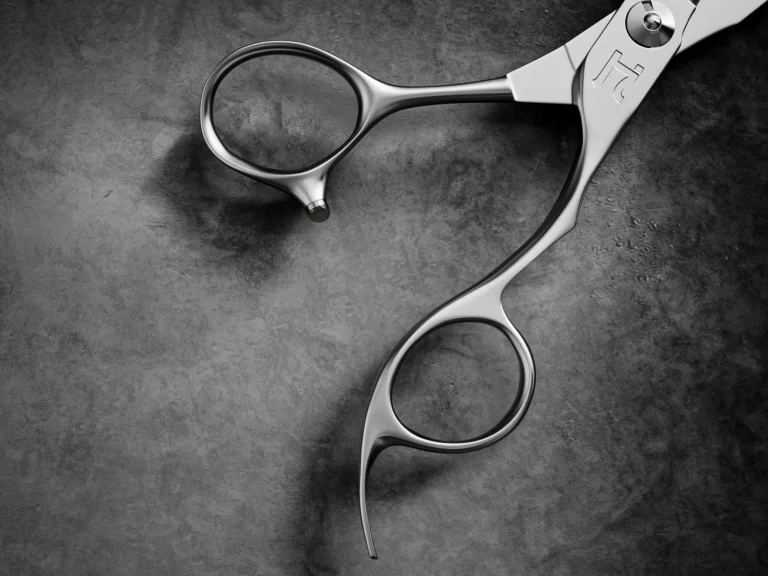
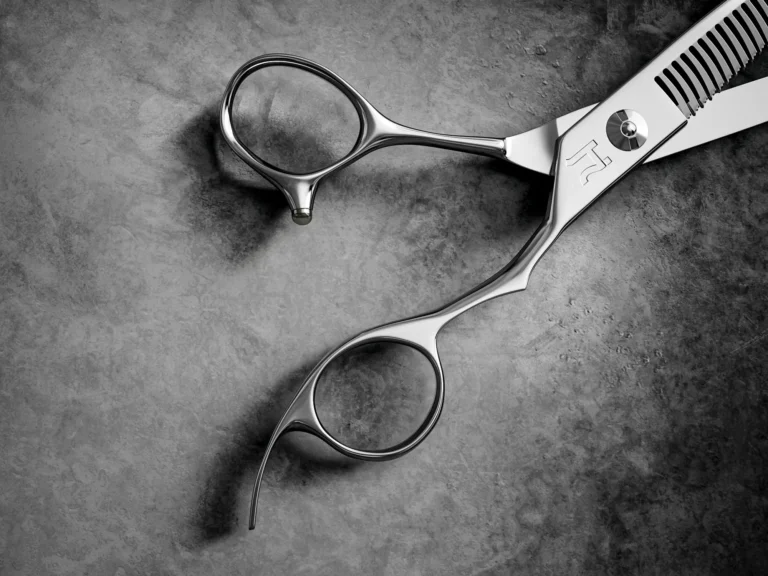
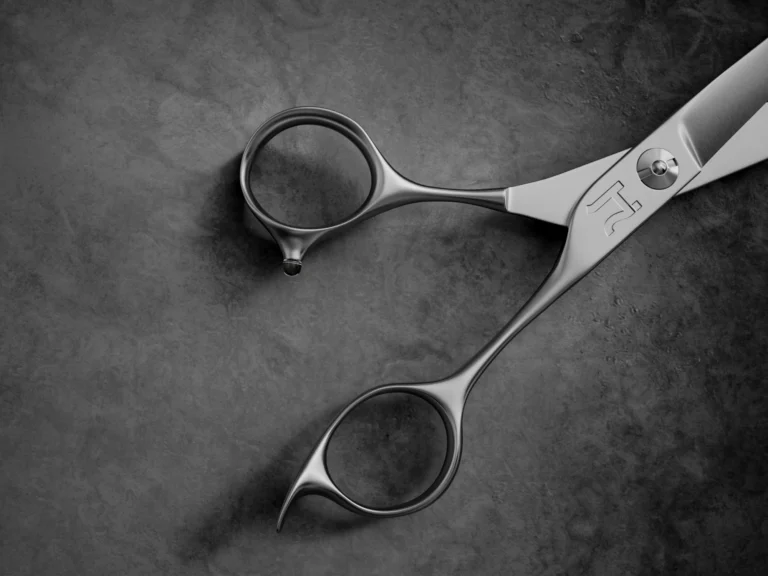
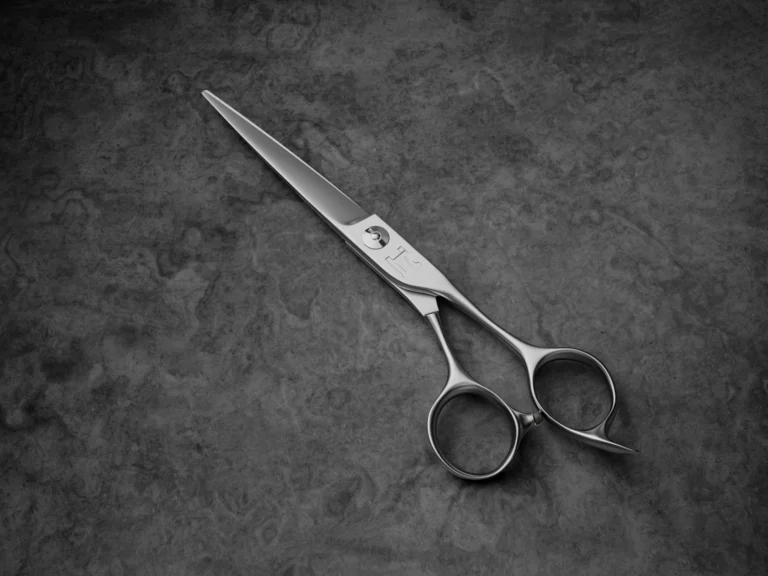
Haircutting shears are designed with handle ergonomics in mind. Depending on the shear, that can include:
- Offset handles
- Crane handles
- Swivel thumb designs
- Thumb ring positioning
- Finger rests
- Adjustable tension systems
- Balanced blade-to-handle weight
These design choices help place the hand, wrist, elbow, and shoulder in a more natural working position. NIOSH explains that ergonomics helps reduce risk factors connected to work-related musculoskeletal disorders, including repetitive motion and awkward posture. Research on hairdressers has also identified repetitive movements, forceful upper-extremity exertion, arms working above shoulder level, and awkward postures as common occupational risk factors.
That does not mean a better shear magically prevents every ache or injury. Technique, posture, workload, and training still matter. But tool design can reduce unnecessary strain.
A common real-world example: a cosmetology student buys cheap household scissors to practice basic sectioning and cutting. At first, the issue seems like sharpness. After a few mannequin cuts, the real problem appears. The thumb feels cramped, the wrist turns awkwardly, the blade drags, and every section takes more effort than it should. That is not just a comfort issue. It changes how the student learns the motion.
Good tools help the hand do the right thing. Poor tools teach the hand to compensate.
Sharpening and Longevity
Sharpening is another major difference in professional shears vs regular scissors.
Most regular scissors are not designed for long-term professional service. They can sometimes be sharpened, but the blade geometry, steel quality, and pivot design usually do not support repeated precision sharpening. Once the edge is damaged or the blade alignment is off, they are often easier to replace than repair.
Salon-grade shears are different. They are built to be serviced by a specialist who understands haircutting blade geometry. The person sharpening the tool has to preserve the edge type, blade curve, ride line, tension feel, and balance. A bad sharpening job can ruin a good shear. A proper sharpening job can bring the tool back to life.
The StaySharp program is built for stylists who want their shears maintained by people who understand professional cutting tools.
Longevity is not only about how long the tool exists in your drawer. It is about how long it performs at a high level. A well-made shear can serve a stylist for years when it is cleaned, stored correctly, adjusted properly, and sharpened by the right hands.
Regular scissors are disposable by comparison. Haircutting shears are maintainable.
Impact on Cut Quality and Technique
This is where the difference becomes hard to ignore.
Using regular scissors on hair often creates pushing, folding, and tearing instead of a clean cut. The blade may shove the hair forward before closing. It may bend the strand. It may leave the ends looking rough even if the line looks acceptable from a distance.
That matters because haircutting is not only about removing length. It is about controlling shape, weight, movement, texture, and finish.
Techniques that depend on blade control become especially difficult with the wrong tool:
- Slide cutting: The blade has to glide through hair without snagging.
- Point cutting: The tip needs precision and clean entry into the section.
- Channel cutting: The edge must remove weight without chewing the hair.
- Dry cutting: The blade must respond cleanly because dry hair exposes every mistake.
- Detail work: The tip, tension, and balance all affect control around the hairline, fringe, and perimeter.
A regular scissor forces the stylist to work around the tool. A proper haircutting shear gives feedback. You can feel the section, control the pressure, and adjust the motion as you cut.
That feedback is part of craft. It is also part of speed. When the blade cuts cleanly, you do not have to keep correcting the same section.
What About Craft Scissors and Fabric Shears?
Craft scissors and fabric shears are still not suitable for hair.
Fabric shears are made to cut cloth on a flat surface, usually with longer blades and a different cutting angle. Craft scissors are made for paper, ribbon, cardboard, or mixed materials. Both tools may feel sharper than household scissors, but sharpness alone does not make them right for haircutting.
The blade length, handle angle, edge geometry, and balance are not designed for the way stylists cut hair in the hand, at elevation, around the head, or through controlled sections.
So, can they cut hair? Technically, yes. Should they be used for professional haircutting? No.
The Cost Difference – Is It Worth It?
The cost difference can feel significant at first. Regular scissors are cheap and easy to find. Professional haircutting shears require a real investment.
But cost and value are not the same thing.
For someone cutting one piece of paper, expensive shears make no sense. For someone building a career behind the chair, the tool affects every client, every section, every day. A working stylist using the wrong scissors pays for it in slower cutting, rougher results, repeated corrections, hand fatigue, and a shorter tool lifespan.
That is the investment argument.
Better shears can help a professional:
- Work with more control
- Reduce wasted motion
- Create cleaner finishes
- Protect the integrity of the hair
- Support advanced technique
- Maintain consistency across a full book of clients
- Extend tool life through proper sharpening and service
This business case in more depth in the article professional shears will make you more money.
Let’s be real: a great shear will not replace skill. It will not fix poor sectioning, weak technique, or lack of education. But once the skill is there, the wrong tool becomes a ceiling. It limits what the hand can do.
For a professional, the better question is not “Why are haircutting shears more expensive?” The better question is, “What is the cost of cutting every day with a tool that was never made for this work?”
Final Takeaway
The difference between shears and scissors comes down to purpose. Regular scissors are built for general cutting. Haircutting shears are built for hair, hands, technique, and repeated professional use.
Steel quality affects sharpness and edge life. Blade geometry affects movement through the hair. Ergonomics affects comfort and strain. Sharpening support affects longevity. And all of it affects the final haircut.
If you are a stylist, barber, cosmetology student, or salon owner, the tool in your hand is not a small detail. It is part of the work.
Ready to cut with the right tool? Browse Hanzo’s full range of professional shears built for daily use behind the chair.