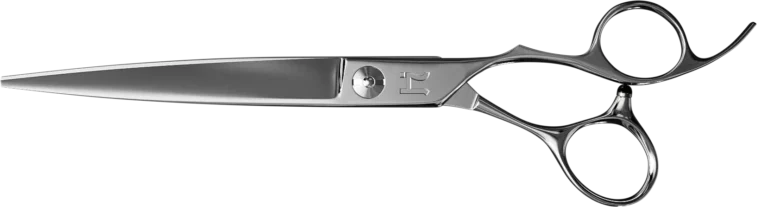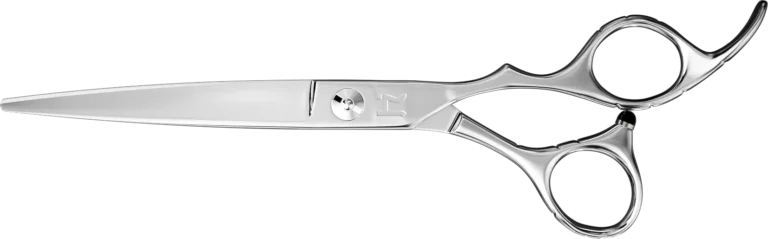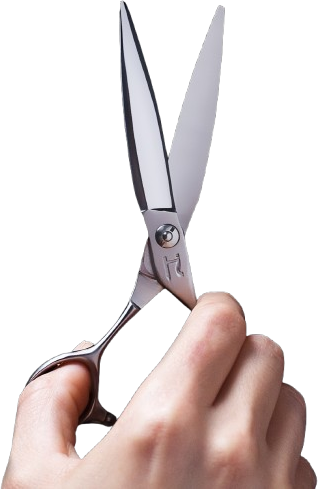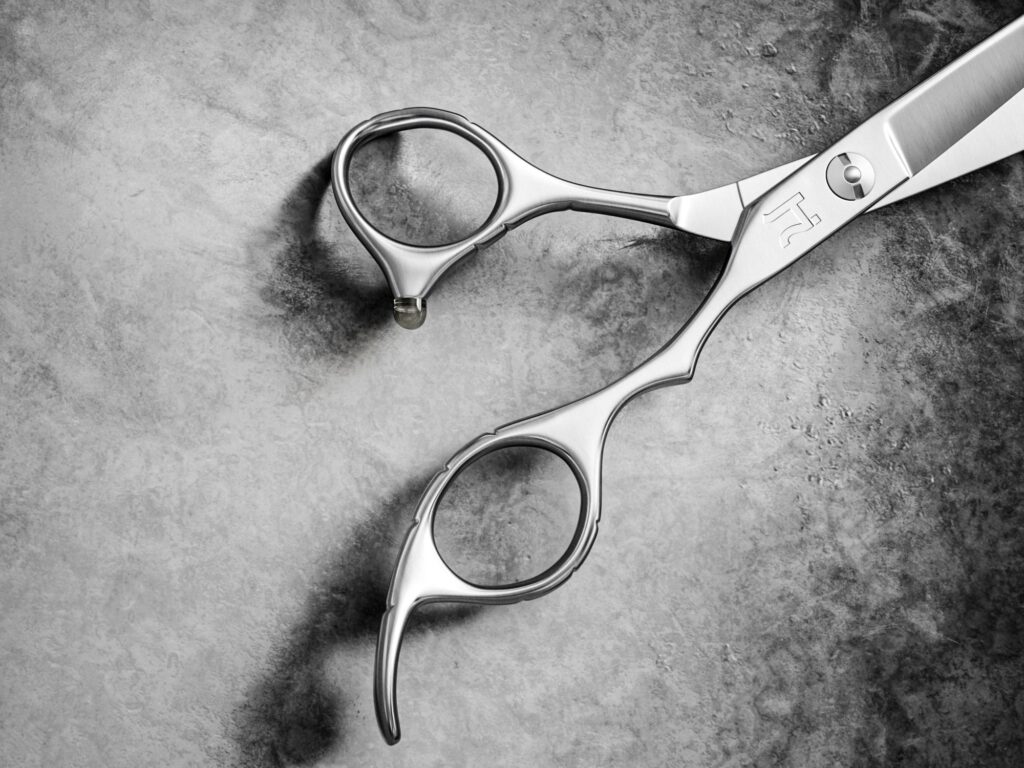
For working stylists and barbers with a few years behind the chair, choosing professional shears can feel frustrating because every pair claims to be sharp, ergonomic, durable, and “premium.” The real challenge is knowing which steel, edge, size, handle, and balance actually fit the way you cut every day. Hanzo helps licensed cosmetologists and barbers make that decision with Japanese-steel haircutting tools, hands-on education, sharpening support, and real-world shear fitting experience built around salon and barbershop work.
Here’s the thing: a shear that feels impressive for five minutes may not feel right after eight clients, two fades, a long layered cut, a dry-cut refinement, and a last-minute bang trim. The right pair should make your work cleaner, your hand quieter, and your cutting day less physically demanding.
This guide breaks down how to choose hair cutting shears based on the factors that matter most: steel, blade edge, size, handle design, weight, balance, warranty, sharpening support, and budget.
Steel Type: The Most Important Decision
Steel is where the buying decision starts. Not the handle. Not the finish. Not the color. Steel determines how sharp the edge can become, how long it holds that edge, how smooth the shear feels through hair, and how often it needs service.
Cheap shears often feel sharp out of the box, but they usually lose that edge quickly. A stylist may blame their technique, tension, or client’s hair texture when the real issue is lower-grade steel that cannot maintain a refined cutting edge.
High-Carbon Japanese Steel vs. Standard Stainless Steel
Standard stainless steel is built for corrosion resistance and basic durability. That sounds good, but in haircutting tools, “stainless” alone does not tell you enough. The steel also needs hardness, edge stability, and enough refinement to support precision cutting.
High-carbon Japanese steel is usually preferred in premium haircutting shears because it can hold a sharper edge with better consistency. Japanese steel is widely associated with sharpness, durability, corrosion resistance, and the ability to support a clean cutting edge when manufactured and maintained correctly.
For a working stylist or barber, that translates into:
- Cleaner section control
- Less hair pushing
- Better slide-cutting performance
- More predictable dry work
- Longer edge life between sharpenings
- Less force needed through the close
A good shear should not make you squeeze harder just to get through the section. If you are constantly adding thumb pressure, the steel, edge, tension, or sharpening quality may be working against you.
440C, VG-10, and Nano-Powder Alloys: What the Grades Mean in Practice
Steel names can get confusing fast, especially because brands often use them as marketing shorthand. For practical buying decisions, think in terms of performance.
440C steel is a well-known high-carbon stainless steel used in many quality cutting tools. It can deliver strong corrosion resistance, good hardness, and dependable edge retention when properly heat-treated.
VG-10 steel is often considered a higher-performance Japanese steel option. In shear terms, it is associated with stronger edge retention, cleaner sharpness, and smoother performance under regular use.
Nano-powder alloys sit in the premium category. They are engineered for refined grain structure, edge strength, and long-term performance. For stylists doing a heavy client load, advanced cutting techniques, or precision work all day, higher-grade alloys can make a real difference.
Do not buy based on the steel name alone. Ask what the shear is built to do. A great dry-cutting shear, a slide-cutting shear, and a detail shear may all use high-quality steel, but the design and edge geometry still need to match the work.
Rockwell Hardness and Edge Retention
Rockwell hardness, often shown as HRC, measures how hard the steel is. In simple terms, harder steel can usually hold a sharper edge longer, though it also requires proper manufacturing and sharpening to perform well.
For shears, Rockwell hardness matters because it gives you a clue about edge retention. A softer steel may feel fine at first but dull faster. A harder steel can hold its edge longer, but if it is poorly made, it can feel brittle, harsh, or difficult to maintain.
The takeaway: steel quality is not just a spec. It affects your daily cutting rhythm. When the steel is right, the shear feels quieter, smoother, and more controlled.
Blade Edge: Convex vs. Beveled
Blade edge controls how the shear enters, moves through, and exits the hair. This is where many stylists make the wrong purchase. They buy the sharpest-sounding option without asking whether the blade matches their technique.
Hanzo’s own guide explains the difference clearly: convex edges glide because the blade face is smoother, while beveled edges grip because the angle gives them more durability. Neither is automatically better. The right choice depends on how you cut.
Convex Edge Shears
A convex edge is built for smoothness. It is usually sharper, quieter, and better suited for techniques where you want the blade to move through hair with minimal resistance.
Choose a convex edge if you regularly do:
- Wet cutting
- Slide cutting
- Deep point cutting
- Precision layering
- Soft perimeter work
- Detail work where smooth entry matters
Convex blades are often favored by experienced stylists because they reduce drag and allow more fluid movement. They can also expose bad habits. If your tension is off, your thumb pressure is heavy, or your shear has been sharpened incorrectly, a convex edge will let you know quickly.
Beveled Edge Shears
A beveled edge has a more defined angle at the cutting edge. It tends to feel more tactile and can provide extra grip through the hair.
Choose a beveled edge if you do more:
- Dry cutting
- Blunt cutting
- Point work
- Scissor-over-comb
- Coarser hair work
- Cuts where you want more feedback from the blade
Beveled edges are often more durable, but they may not glide as smoothly for slide cutting. If you try to force a beveled edge into a technique that needs a clean glide, the hair may push, snag, or feel less controlled.
For a deeper breakdown, see Hanzo’s guide to convex vs beveled edge shears.
Shear Size: How to Measure for Your Hand
Size affects control, speed, body position, and technique. A 5.5-inch shear and a 7-inch shear are not just different lengths. They change how your hand moves, how much hair you can control, and how close you can work to the head.
Many stylists buy the size they learned with in school and never question it. That is usually a mistake. As your cutting style develops, your shear size should match the work you actually do behind the chair.
The Palm Measurement Method
A simple way to estimate size is to place the shear against your hand:
- Put the finger ring near the base of your ring finger.
- Lay the blade along your palm and middle finger.
- Check where the tip lands.
- A general cutting shear should feel controlled without extending awkwardly past your natural hand position.
This is not a perfect fitting system, but it helps you avoid extremes. If the shear feels too long, you may lose control during detail work. If it feels too short, you may overwork your hand on larger sections or barbering techniques.
for more details, read our guide on how to find the right shear size for your hand.
Common Shear Lengths and What They Suit
5.0 to 5.5 inches
Best for precision, detail work, smaller hands, close cutting, and controlled layering.
5.5 to 6.25 inches
A versatile range for many stylists. Good for general cutting, layering, palm-to-palm work, and everyday salon use.
6.5 to 7.0 inches
Often preferred for barbering, scissor-over-comb, longer sections, blunt cutting, and faster work through larger panels.
If you are one to three years into your career, a versatile middle length often makes sense, but your service mix should decide. A stylist doing mostly long layered cuts may not need the same size as a barber doing scissor-over-comb all day.
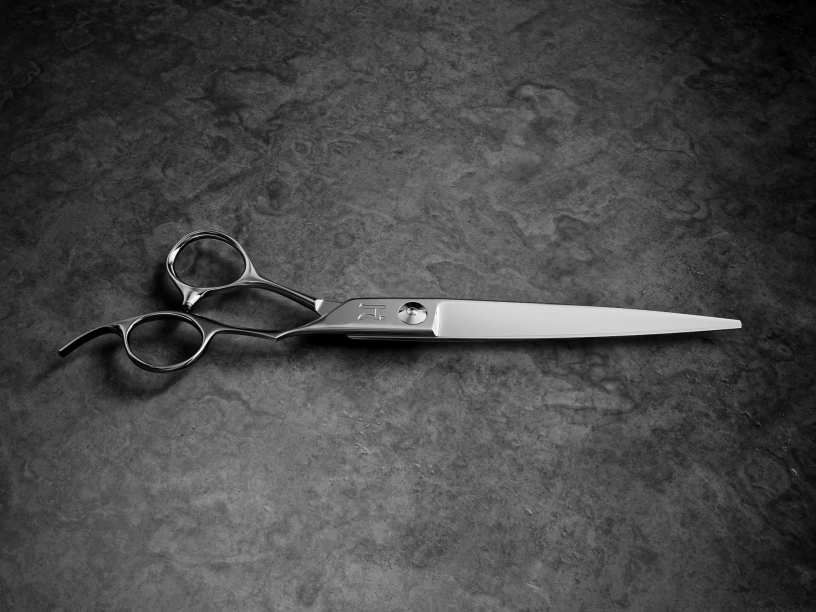
Handle Style: Straight, Offset, Crane, and Swivel
Handle design affects your wrist, elbow, shoulder, and cutting posture. This is not just comfort. It is career longevity.
Research on hairdressers has linked musculoskeletal strain to factors such as repetitive movements, awkward posture, forceful exertion, and arms held above shoulder level. That is why handle choice matters. Your shear should support cleaner mechanics, not force your body to compensate.
Straight Handle
A straight handle, sometimes called an opposing handle, has finger and thumb rings positioned more evenly across from each other.
It may suit stylists who:
- Prefer a traditional feel
- Cut with a more classic hand position
- Want maximum familiarity
- Do not experience wrist or shoulder strain
The downside is that straight handles can encourage a higher elbow and more thumb movement. For some professionals, that becomes tiring over a full day.
for more details, read our complete guide on swivel vs straight handle – which one is for you.
Offset Handle
An offset handle moves the thumb ring forward, creating a more relaxed hand position. This can reduce the amount of thumb reach needed during the close.
It may suit stylists who:
- Cut all day behind the chair
- Want a more natural hand position
- Feel strain from traditional handles
- Do general salon cutting and layering
Offset handles are often a strong everyday choice because they balance familiarity with improved ergonomics.
Crane Handle
A crane handle drops the thumb position farther down and away from the finger ring. This can help lower the elbow and reduce shoulder elevation during cutting.
It may suit stylists and barbers who:
- Work long hours
- Want to reduce shoulder fatigue
- Cut with lower elbow positioning
- Do detailed work that requires control without tension
If your shoulder creeps upward while cutting, a crane handle may be worth testing.
Swivel Handle
A swivel handle allows the thumb ring to rotate, giving the thumb more freedom while helping the wrist stay closer to neutral.
It may suit professionals who:
- Cut at multiple angles
- Work around the head without raising the elbow as much
- Experience wrist, thumb, elbow, or shoulder fatigue
- Want more mobility without changing the entire cutting approach
Hanzo explains swivel design as part of a larger system: shear fitting, movement education, sharpening, and tension tuning all work together to keep the tool performing consistently.
A warning, though: Swivel shears are not an instant fix. They require an adjustment period. Some stylists love them immediately. Others need a few weeks to stop gripping the tool like a fixed-thumb shear.
Weight and Balance
Weight is personal, but balance is non-negotiable.
A lightweight shear can reduce fatigue, especially during long salon days. It may feel faster, softer, and easier to maneuver. But if it is too light for your cutting style, you may lose power through dense hair or feel like you need to work harder for control.
A heavier shear can feel stable and powerful. Some barbers prefer a little weight for scissor-over-comb or blunt cutting because the tool feels grounded. But too much weight can add fatigue, especially if the handle does not fit your hand well.
What you are really looking for is balance.
A balanced shear should:
- Sit naturally in your hand
- Open and close without wobble
- Feel controlled at the tip
- Avoid pulling your wrist forward
- Cut without requiring extra thumb pressure
Try this: hold the shear in your cutting position and relax your hand. If you immediately want to grip tighter to control it, the balance may be off for you.
Warranty and Sharpening Support
After-purchase support matters as much as the shear itself. A high-end tool still needs proper care, tension checks, and expert sharpening.
This is where many stylists lose money. They invest in a strong pair, then send it to a sharpener who does not understand convex edges, Japanese steel, or haircutting shear geometry. One bad sharpening can change the feel of the tool completely.
Hanzo’s warranty covers defects in material and workmanship for the lifetime of the shear. Its StaySharp program gives professionals access to four professional sharpenings per year through local representatives in almost every state, along with Inshearance protection for eligible situations. Hanzo’s 15-day trial lets you test any shear behind the chair before committing — a practical way to confirm fit, balance, and feel before the purchase is final.
For a working stylist or barber, support should answer these questions:
- Who sharpens the shear?
- Do they understand the blade edge?
- Will the sharpening preserve the original geometry?
- Is tension checked and corrected?
- What happens if the shear develops a workmanship issue?
- Is there a clear service process after purchase?
A great shear can lose its performance after one bad sharpening.
What Budget Should You Set for Hair Cutting Shears?
Let’s be real: cheap shears often cost more than they appear to.
A low-cost pair may save money today, but it can create long-term problems: frequent sharpening, rougher cutting, hand fatigue, inconsistent results, and early replacement. For a licensed professional, your shear is not a casual accessory. It is one of the few tools that touches almost every client.
For Hanzo’s investment-grade category, stylists should expect premium haircutting shears to begin around the $500+ level because the cost reflects better steel, manufacturing, edge work, ergonomics, and long-term support.
That does not mean every stylist needs the most expensive pair immediately. It means you should buy based on your work, not just the lowest available price.
How to Think About Budget Practically
Ask yourself:
- How many clients do I cut per week?
- Am I mainly wet cutting, dry cutting, barbering, or doing mixed services?
- Do I need one versatile shear or a more specialized second tool?
- Do I experience wrist, thumb, elbow, or shoulder fatigue?
- How often am I currently sharpening or replacing cheaper tools?
- Will this shear help me work cleaner and more confidently?
If you are growing behind the chair, the right tool can support better work and better habits. A poor tool can teach you to compensate with tension, pressure, and posture issues you will have to unlearn later.
Quick Buying Checklist
Before choosing your next pair, run through this checklist:
- Steel: Choose high-quality Japanese steel or premium alloy construction.
- Edge: Convex for glide and slide work; beveled for grip, dry work, and tactile feedback.
- Size: Match length to your hand and service mix.
- Handle: Choose based on wrist, elbow, shoulder position, and daily comfort.
- Weight: Pick a tool that feels controlled, not just light.
- Balance: Make sure the tip, pivot, and handle feel stable together.
- Support: Look for warranty, expert sharpening, and service guidance.
- Budget: Treat the purchase as a long-term professional investment.
Common Mistakes to Avoid
Buying Only for Sharpness
Sharpness matters, but it is not the whole decision. A shear can feel sharp and still be wrong for your hand, technique, or cutting style.
Choosing the Same Size You Used in School
Your school shear may have been a starting point, not your forever tool. Once your technique develops, your size preference may change.
Ignoring Handle Ergonomics
If your hand hurts after a long day, do not assume that is just part of the job. Handle shape, thumb position, and shear balance can all affect strain.
Using the Wrong Edge for the Technique
If your slide cut feels sticky or your dry cut feels rough, edge geometry may be the issue. The technique and blade need to match.
Skipping Sharpening Support
A premium shear should be sharpened by someone trained to preserve its geometry. Otherwise, the tool you paid for may not perform the way it was designed.
Final Takeaway: Choose the Shear That Matches Your Work
The best shear is not the one with the longest feature list. It is the one that fits your hand, supports your technique, holds its edge, and helps you cut cleanly through a full day behind the chair.
For newer working professionals, the smartest move is to think beyond “sharp” and focus on the full system: steel, blade edge, size, handle, balance, sharpening, and support. That is where a tool becomes more than a purchase. It becomes part of how you build your craft.
Ready to find the right pair? Browse Hanzo’s full range of professional shears and filter by hand, blade type, and size.