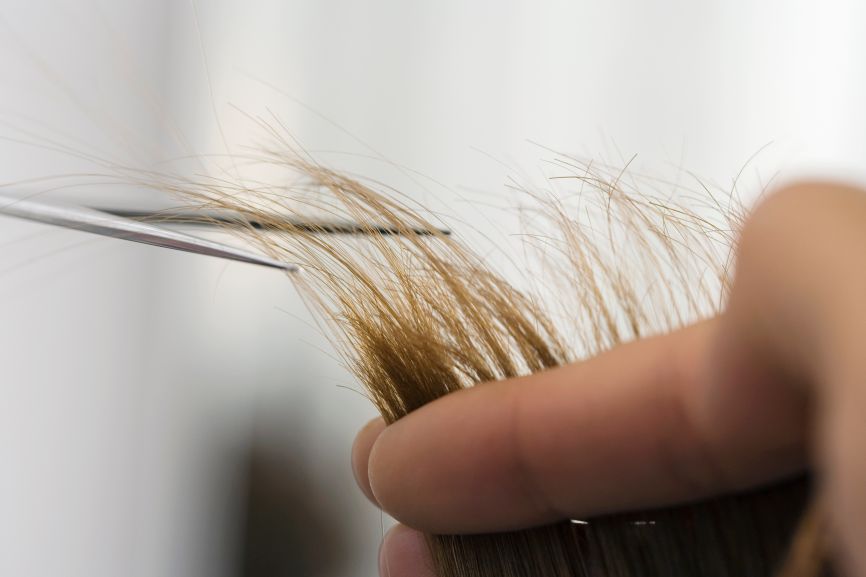
If you’re a working stylist or barber and your shears are pushing, folding, or “shoving” hair instead of cutting clean, you’re not just fighting a tool-you’re losing time, confidence, and consistency on every section. You might feel the hair bend away, hear a crunchy sound, or need multiple passes to get one line right, which turns a routine haircut into re-dos and frustration. Hanzo’s role here isn’t hype-it’s to help you diagnose what’s actually happening (edge, tension, alignment, technique, or maintenance) and point you to the right fix-whether that’s a quick adjustment, a better daily routine, or professional service when it’s truly needed.
Quick Answer
Shears usually push or fold hair because the blades aren’t slicing cleanly-most often due to incorrect tension or a dull/damaged edge. Other common causes include product buildup at the pivot, tiny nicks, blade misalignment, or technique issues that separate the blades during the close. Start by checking tension, cleaning/oiling the pivot, and testing the edge on clean hair. If pushing persists, it’s typically time for professional sharpening/service.
Fast Diagnosis (Do This in 2 Minutes)
Self-check #1: What does it feel like?
- Hair bends away / won’t cut on the first close: tension or edge issue is likely
- Crunchy / snaggy at one spot in the blade: likely nick or damage
- Cuts fine in some sections but not others: technique + hair condition may be contributing
Self-check #2: Is the hair and shear clean?
Before you blame the edge, confirm:
- Hair is clean enough to cut (heavy product can make hair behave “rubbery”)
- Blades and pivot are free of buildup (especially if you work with texturizers, sprays, dry shampoo)
Self-check #3: Quick tension reality check
If your shears feel “loose,” the blades can separate slightly and push hair instead of slicing. If they feel “too tight,” they can drag, fatigue your hand, and still cut poorly.
A practical approach: adjust tension in small increments and test on clean, dry hair and on damp hair. The “right” tension is the one that gives you clean closure without forcing and consistent bite through the mid-blade.
Quick Self-Diagnosis
If the hair folds right at the start of the cut, then your tension is likely too loose or your edge is too dull to bite. Start with tension adjustment and a quick clean/oil.
If the shear pushes hair mostly mid-blade, then you may have dullness developing where you cut most, or you’re closing with lateral pressure. Test the mid-blade bite and check technique.
If it only snags in one small spot, then you likely have a nick or micro-damage. Don’t keep forcing it-service is usually the fastest fix.
If it cuts fine on wet hair but pushes on dry hair, then the edge is often borderline dull or the hair has product/texture that needs a sharper bite and cleaner technique.
Root Causes (Ranked by Likelihood)
1) Tension is off (too loose is the classic “pushing” culprit)
When tension is too loose, the blades don’t stay consistently flush through the close. Instead of slicing, hair bends or slips.
What you feel: hair “escapes,” you need multiple closes, line work won’t land.
Fix now: adjust tension slightly tighter, retest, repeat in small steps.
2) Edge is dull (or the edge has rolled from use)
Even premium shears will dull from normal cutting, product exposure, and micro-contact over time. A dull edge doesn’t “grab”-it pushes.
What you feel: the shear closes, but the hair doesn’t separate cleanly-especially on blunt cuts or thicker sections.
Fix now: confirm it’s not tension/buildup first. If it’s truly dull, schedule sharpening/service.
3) Buildup at the pivot or on the blades
Residue can change how the blades ride and how smoothly they close, which affects bite.
What you feel: draggy closure, inconsistent cut quality, more “effort” required.
Fix now: clean blades, clean pivot area, then oil and re-test.
4) Nicks, micro-damage, or a “hot spot” on the edge
One small nick can create a snag point that makes hair bend or catch.
What you feel: snagging in the same place repeatedly; a crunchy sensation.
Fix: stop forcing cuts. Service/sharpening is typically required.
5) Technique issues that separate blades during closure
Excess thumb pressure, torquing, or closing with sideways force can slightly separate the blades and cause pushing-especially in dry cutting.
What you feel: pushing happens more when you speed up, change angles, or fatigue sets in.
Fix: lighten pressure, refine close, keep wrist neutral, and let the shear do the work.
6) Hair condition (product load, extreme dryness, or “rubbery” texture)
Certain product-heavy or overly dry hair can behave like it’s resisting the cut. That can expose borderline tension/edge issues.
Fix: clarify the section (when appropriate), adjust approach, confirm edge condition.
Fixes You Can Do Today (Step-by-Step)
Step 1: Clean and reset the tool
- Wipe blades thoroughly
- Clean around the pivot area
- Oil the pivot (sparingly)
- Open/close several times to distribute
Why it works: smoother, consistent blade ride improves bite and closure behavior.
Step 2: Adjust tension in micro-steps
- Make a small adjustment
- Test on clean hair (dry + damp if possible)
- Stop when the shear closes smoothly and bites reliably
Decision point:
- If cut improves immediately: tension was likely the main issue
- If no change: proceed to edge/damage checks
Step 3: Identify a “nick” pattern
- If snagging happens in the same spot every time, assume edge damage
- Don’t keep sawing through it (you’ll lose more time and risk worse results)
Step 4: Technique correction (fast wins)
- Reduce thumb force-aim for controlled closure, not squeezing
- Avoid lateral torque (side pressure) during the close
- Keep sections clean and tensioned; avoid “chasing” loose hair with the blade
Step 5: Know when it’s a service problem
If the shear still pushes after cleaning + proper tension adjustment, the most efficient fix is often professional sharpening/service, because you’re losing minutes (and confidence) per haircut.
Prevention and Best Practice (Career Longevity Habits)
Daily (takes under 2 minutes)
- Wipe blades at the end of the day
- Oil pivot lightly
- Store safely (avoid drops and loose tools in bags)
Weekly
- Deeper clean around pivot
- Check tension and “bite” consistency mid-blade
Behavior that quietly kills performance
- Cutting over clips/hairpins (micro-nicks happen fast)
- Letting product buildup sit for days
- Over-tight tension to “force” a cut (fatigue + uneven wear)
Tool / Feature Decision Guidance (What to Look for)
If you mostly dry cut or detail
Prioritize a shear that feels stable and controlled through closure. You want consistent bite without needing excess pressure.
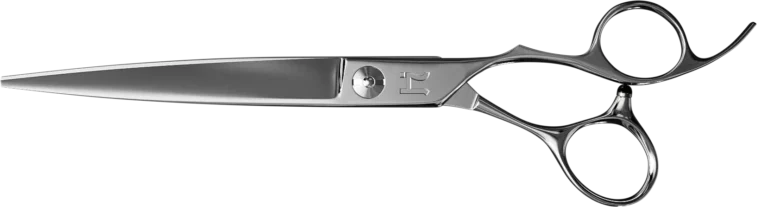
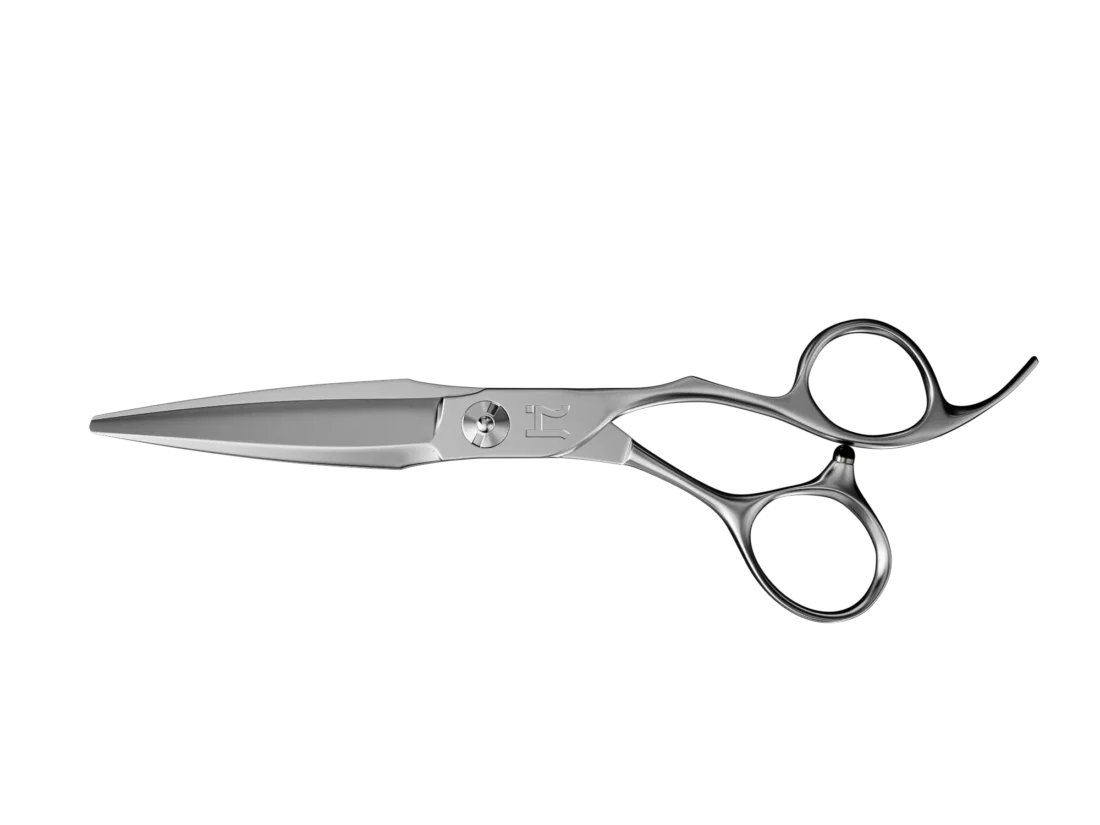
The Hanzo HH1 Kamikaze excels at dry slide cutting and is “perfect” for dry finishing/detail work (channel cutting, slide cutting, carving, face-framing, point cutting).
If you do a lot of blunt cutting
You need reliable bite through the mid-blade and tip. If you’re doing repeated closes to land a line, you’re wasting time and wearing out your hands.
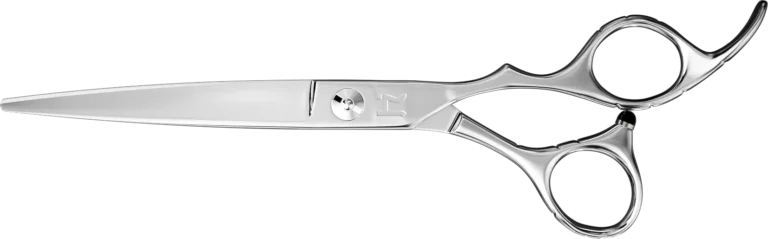
The Hanzo HHCW Karu is ideal for blunt cutting (and also shear-over-comb, deep point cutting), and the Karu’s design is helpful for cutting straight lines and minimizing hair pushing.

If fatigue is creeping in
Look at handle geometry, balance, and fit. Tools that encourage neutral wrist and lighter closure pressure can help reduce strain over long days.
The Hanzo Kime Swivel was developed with an ergonomic handle and an offset swivel thumb to give more control and comfort while cutting. It is recommended when fatigue shows up during long cutting days, especially with dry/detail work where wrist angle and repetitive closure matter.

If you keep chasing “tension tweaks”
Frequent tension changes often signal an edge that’s drifting dull or damage that needs service, not endless adjustment.
When to Get Help (Service + Health)
Get your shears serviced when:
- Pushing persists after clean + correct tension
- You feel consistent snagging or crunchy spots
- You need multiple passes to cut cleanly
- The tool is costing you time per section
Get professional health advice when:
- Hand/wrist pain persists, worsens, or includes numbness/tingling
Tool changes can help, but ongoing symptoms deserve proper care.
FAQs
1) Why are my shears folding hair instead of cutting it?
Usually because tension is too loose or the edge is too dull to bite. Start with cleaning/oiling, then adjust tension in small steps.
2) How do I know if it’s tension or sharpness?
If a small tension adjustment immediately improves cutting, it was likely tension. If pushing continues after correct tension and cleaning, dullness or damage is more likely.
3) Can dirty shears really cause pushing?
Yes. Product buildup near the pivot or on the blades can affect how the blades ride and close, reducing bite and consistency.
4) What does a nick feel like while cutting?
Often like a crunchy snag in the same spot on the blade, especially when closing through a section.
5) Why do my shears cut wet hair but push dry hair?
Dry hair can expose borderline sharpness or technique issues. If tension and cleanliness are right, it often points to an edge that needs service.
6) Does overtight tension cause pushing too?
It can cause drag and poor performance, and it increases fatigue. Tightening shouldn’t be used as a substitute for sharpness.
7) How often should pros get shears sharpened?
It depends on volume, technique, hair types, and maintenance. Use performance cues: when pushing begins despite correct tension and cleanliness, it’s time.
8) Is pushing hair a technique problem?
Sometimes. Excess thumb pressure or lateral torque can separate blades during closure, especially in dry cutting. But confirm tension and edge first.
9) What should I do if I dropped my shears and now they push hair?
Assume possible damage or misalignment. Avoid forcing cuts and get them checked/serviced.