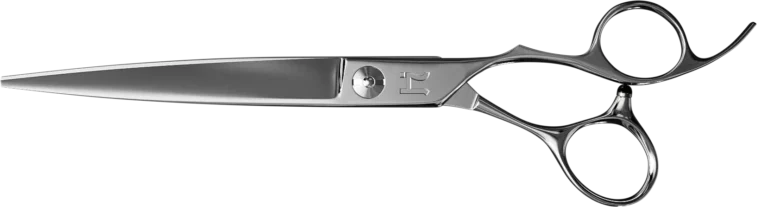
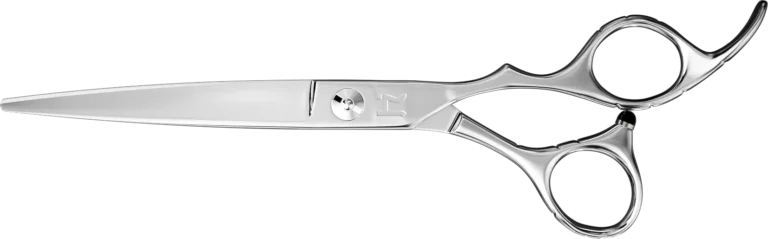
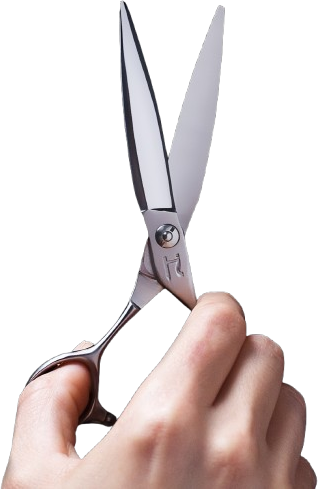
Quick Answer
Convex edge shears are generally preferred for slide cutting, point cutting, and dry cutting because their smooth, razor-like edge allows the blades to glide through hair without pushing or snagging. Beveled edges are more durable and forgiving, making them common for blunt cutting and beginner use. The best choice depends on your technique, cutting style, and maintenance habits.
The Reality in the Salon: Why Edge Type Actually Matters
If you’re a working stylist or barber, you’ve probably felt this before: you go into a slide cut or soft point cut and the hair pushes instead of gliding, or your shears feel like they’re grabbing the hair instead of slicing it cleanly.
That moment costs time.
It breaks flow.
And sometimes it means going back to fix a section that didn’t blend properly.
Edge geometry is often the hidden reason.
At Hanzo, we spend a lot of time helping professionals diagnose tool performance issues like this-whether it’s edge design, tension, ergonomics, or maintenance. Understanding the difference between convex and beveled edges helps you choose tools that match the techniques you actually perform behind the chair every day.
Convex vs Beveled Edge: What’s the Actual Difference?
At the most basic level, the difference comes down to blade geometry.
Convex Edge
A convex edge is a smooth, curved blade surface that tapers to an extremely fine cutting edge.
Characteristics stylists usually notice:
- Extremely sharp cutting feel
- Smooth glide through hair
- Minimal push or resistance
- Designed for advanced cutting techniques
Because the edge is very fine, convex blades are typically associated with high-precision cutting work.
Beveled Edge
A beveled edge has a visible angled edge ground into the blade, creating a more durable cutting surface.
Characteristics stylists typically experience:
- Slightly more resistance during the cut
- More forgiving on thick or coarse hair
- Durable edge that tolerates rougher use
- Often easier for beginners to control
Beveled blades are common in tools designed for basic blunt cutting and durability.
Why Convex Edges Glide Through Hair
Convex edges glide because of reduced friction and blade geometry.
The smoother blade face allows the two blades to meet with less resistance during closure, meaning the hair is sliced cleanly instead of being compressed or pushed.
In practical salon terms, that translates to:
- smoother slide cutting
- cleaner dry cutting
- softer point cutting results
- less effort needed during the cut
Research in ergonomics and cutting mechanics shows that increased friction during repetitive hand tasks can raise muscular effort and fatigue, which is why smoother mechanical action in tools can improve comfort during extended use.
Sources such as the National Institute for Occupational Safety and Health (NIOSH) and Occupational Safety and Health Administration (OSHA) have published guidance on repetitive hand force and friction load in tool design.
Technique Breakdown: Which Edge Works Best?
Slide Cutting
Slide cutting requires the blades to glide through the hair shaft while partially open.
Convex Edge
Best suited for this technique because:
- the edge is extremely smooth
- hair is sliced rather than pushed
- blades glide without grabbing
Beveled Edge
Often struggles here because:
- the edge can create drag
- hair may push ahead of the blade
- the result can look choppy instead of soft
If your shears push hair during slide cutting → the edge geometry may not be ideal for the technique.
Point Cutting
Point cutting requires precise entry into the hair ends to remove weight or create softness.
Convex Edge
Excellent for this because it allows:
- precise tip entry
- clean micro cuts
- controlled removal of weight
Beveled Edge
Still capable of point cutting but tends to feel:
- slightly less precise
- more resistant entering the hair
- more blunt in result
Dry Cutting
Dry hair exposes imperfections in the cut much more than wet hair.
Convex Edge
Often preferred because:
- it produces a very clean cut line
- reduces snagging on dry strands
- allows detail work and refinement
Beveled Edge
Usually performs better for:
- blunt cuts
- basic section cutting
- durability over finesse
Quick Diagnosis
If slide cutting feels sticky or hair pushes forward
→ your shear edge may be too coarse for glide cutting techniques.If dry cutting causes hair to snag or drag
→ a smoother edge geometry may improve the cut feel.If your shears feel durable but slightly resistant during precision work
→ you may be using a beveled edge designed for durability rather than finesse.If your work involves a lot of dry cutting and texturizing
→ tools designed for smooth cutting mechanics typically perform better.
Why Maintenance Matters More With Convex Edges
Because convex edges are extremely fine, they also require more precise maintenance.
Professionals often notice:
- sharper performance
- smoother cutting
- but greater sensitivity to misuse
This doesn’t mean they are fragile-it simply means the edge geometry requires correct sharpening and care to maintain optimal performance.
Organizations such as ASTM International publish standards on metal wear and corrosion behavior, which help explain why maintenance and environmental exposure can influence blade performance over time.
Choosing the Right Edge for Your Cutting Style
Instead of asking which edge is better, a more useful question is:
Which edge matches the techniques you perform most often?
Convex edges are commonly chosen by stylists who:
- perform a lot of slide cutting
- specialize in dry cutting
- do detailed texturizing
- want extremely smooth cutting action
Beveled edges are often chosen by stylists who:
- prefer blunt cutting
- work heavily with thick or coarse hair
- want maximum durability
- are newer to advanced cutting techniques
Tool Selection: What Professionals Should Look For
Edge design is only one part of shear performance.
Other factors that influence how a shear performs include:
- blade balance
- handle ergonomics
- pivot system quality
- overall weight distribution
Professional shear brands like Hanzo often help stylists evaluate these factors together-because edge type alone doesn’t determine how a shear will feel during a full day behind the chair.
If you’re evaluating new tools, it’s often worth comparing how different edge geometries and handle designs feel in real cutting situations. Check the full Hanzo Shear Collection.
When It’s Not the Edge – It Might Be the Tension
Sometimes stylists blame the edge when the real issue is shear tension.
Incorrect tension can cause:
- hair folding instead of cutting
- resistance during closure
- inconsistent cutting performance
If your shears suddenly start behaving differently, checking tension or having the tool professionally serviced is often the first step before assuming the edge design is the problem.
Recommended Hanzo Shears by Cutting Technique
While edge geometry plays a role in how shears perform, most professionals ultimately choose tools based on how they behave during real cutting techniques. Different blade shapes, weights, and balances can dramatically affect glide, precision, and cutting power.
Below are several Hanzo shears commonly used by stylists and barbers depending on the techniques they perform most often behind the chair.
Best Shears for Slide Cutting (Convex vs Bevel Performance)
Slide cutting works best with shears that allow the blades to glide smoothly through the hair without pushing or snagging the section. Many stylists prefer shears with very smooth cutting mechanics and precise blade alignment because the technique relies on slicing motion rather than closing the blades completely.
Why This Technique Needs Specific Blade Behavior
Slide cutting involves moving the shear partially open through the hair while cutting gradually along the strand. Because the blades are not fully closing on each cut, the edge must slice efficiently with minimal resistance.
When the blade design creates too much friction, stylists may notice:
- hair being pushed ahead of the blades
- uneven blending
- increased effort during the cut
- inconsistent texture results
Shears that produce smooth cutting action and strong blade balance tend to perform best for this technique because they allow stylists to maintain control while gliding through the hair.
Recommended Hanzo Shears for Slide Cutting
HH6 Kime

The HH6 Kime is commonly used for advanced techniques such as slide cutting and channel cutting. Its blade design allows hair to move smoothly through the cut while maintaining control during precision work.
Best for:
- slide cutting
- channel cutting
- dry cutting
- thicker hair types
HH2T Hirami
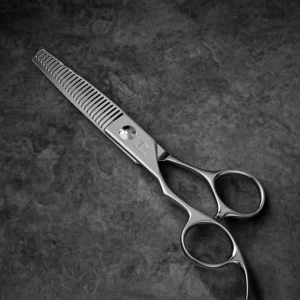
The HH2T Hirami is designed for stylists who prioritize responsiveness and precision during detailed cutting techniques. Many professionals prefer this shear when performing glide-based work that requires controlled blade movement.
Best for:
- slide cutting
- precision haircutting
- soft blending techniques
Best Shears for Point Cutting
Point cutting requires shears that provide excellent tip control and clean blade closure. Stylists often prefer tools that allow precise entry into the hair ends so they can remove weight gradually without creating blunt or choppy lines.
Why This Technique Needs Specific Blade Behavior
Point cutting involves entering the hair vertically with the shear tips and making controlled micro-cuts to soften the perimeter or remove bulk.
For this technique, the most important performance characteristics include:
- precise blade tips
- consistent closing action
- strong cutting control near the tip of the blade
If the shear tips lack precision, stylists may experience:
- uneven texturizing
- over-removal of weight
- difficulty controlling the shape of the cut
Shears designed for controlled cutting mechanics allow stylists to make small, accurate cuts that refine the haircut without removing too much hair at once.
Recommended Hanzo Shears for Point Cutting
HHP Pai Mei
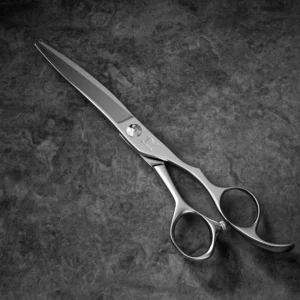
The HHP Pai Mei offers strong cutting power with refined control, making it well suited for removing bulk and shaping the ends of the haircut during point cutting.
Best for:
- point cutting
- structured haircutting
- removing bulk
HH8 Talon

The HH8 Talon provides a strong blade feel and excellent control during repetitive point cutting work. Many stylists choose it for structured cutting and controlled texturizing techniques.
Best for:
- precision point cutting
- structured shapes
- controlled texturizing
Best Shears for Dry Cutting
Dry cutting requires shears that produce clean, smooth cuts without snagging hair. Because dry hair reveals every detail of the haircut, stylists often prefer tools that deliver consistent cutting performance and strong blade control.
Why This Technique Needs Specific Blade Behavior
When cutting dry hair, the strands do not have the lubrication that water provides during wet cutting. This means any imperfections in blade movement or cutting mechanics become more noticeable.
Stylists may experience problems such as:
- hair snagging during the cut
- uneven cutting lines
- resistance while closing the blades
Shears that maintain consistent blade contact and smooth cutting action help create cleaner results during dry cutting and allow stylists to refine the haircut with greater precision.
Recommended Hanzo Shears for Dry Cutting
HH1 Kamikaze
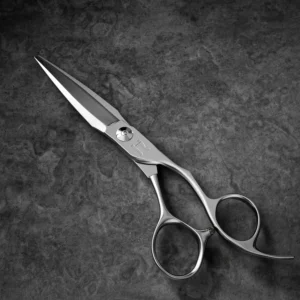
The HH1 Kamikaze is known for its strong cutting performance and wider blade structure, making it a reliable choice when working with dense or dry hair sections.
Best for:
- dry cutting
- thick hair
- channel cutting
- face framing work
HH6 Kime
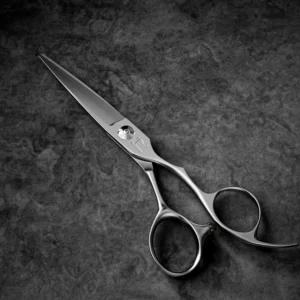
The HH6 Kime is a versatile shear often used by stylists who perform both wet and dry cutting techniques. Its balanced blade design allows consistent cutting performance across different hair textures.
Best for:
- dry cutting
- slide cutting
- advanced cutting techniques
Frequently Asked Questions
Is a convex edge always better than a beveled edge?
Not necessarily. Convex edges are often preferred for advanced techniques like slide cutting and dry cutting, but beveled edges can be more durable and forgiving depending on the stylist’s cutting style.
Why do convex edge shears glide better?
Convex blades typically have a smoother blade surface and finer cutting edge, which reduces friction and allows the blades to slice hair more cleanly.
Can you slide cut with beveled edge shears?
You can, but many stylists find the edge produces more drag or resistance compared with convex blades.
Are convex shears harder to maintain?
They usually require precise sharpening and proper maintenance to preserve the fine edge geometry.
Do beginners need convex edge shears?
Not necessarily. Many beginners start with beveled edges because they are more forgiving, though some professionals move to convex edges as their technique evolves.
Why do my shears push hair instead of cutting it?
Common causes include:
- incorrect tension
- dull edges
- blade misalignment
- edge geometry that doesn’t match the cutting technique
Can the wrong shear cause hand fatigue?
Tool friction, tension settings, and ergonomics can influence the effort required during repetitive cutting tasks, which may contribute to fatigue during long workdays.