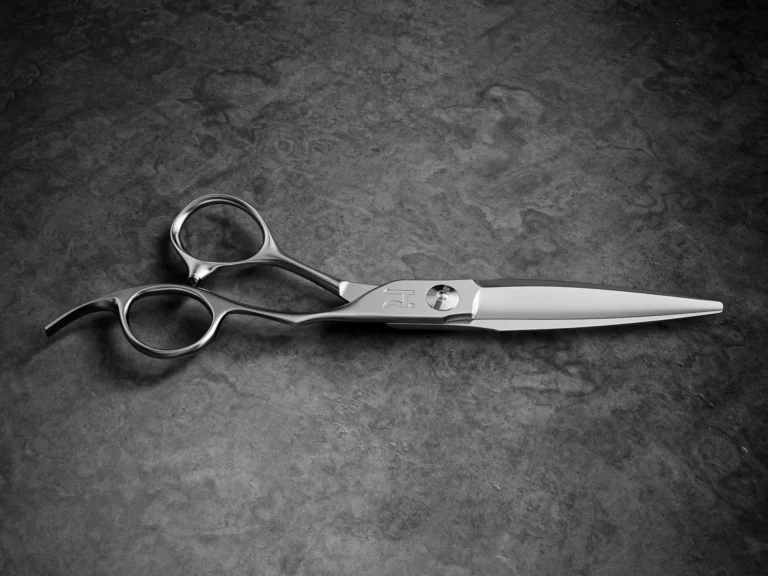
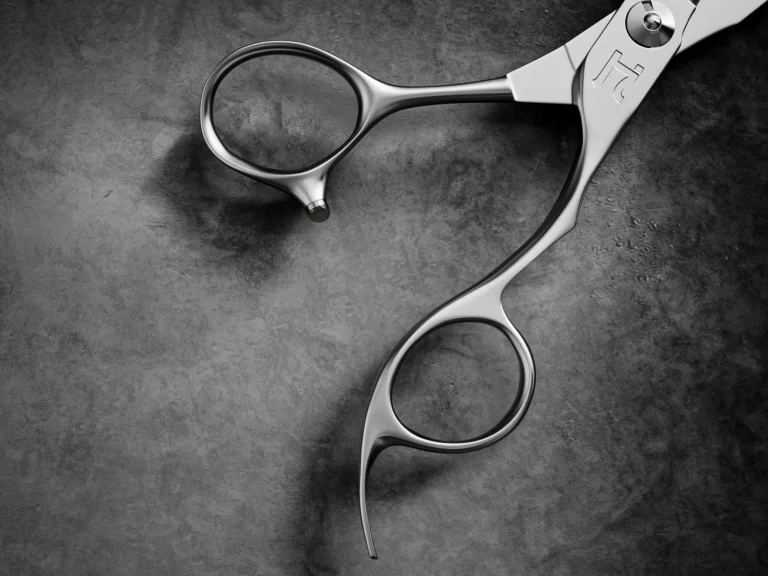
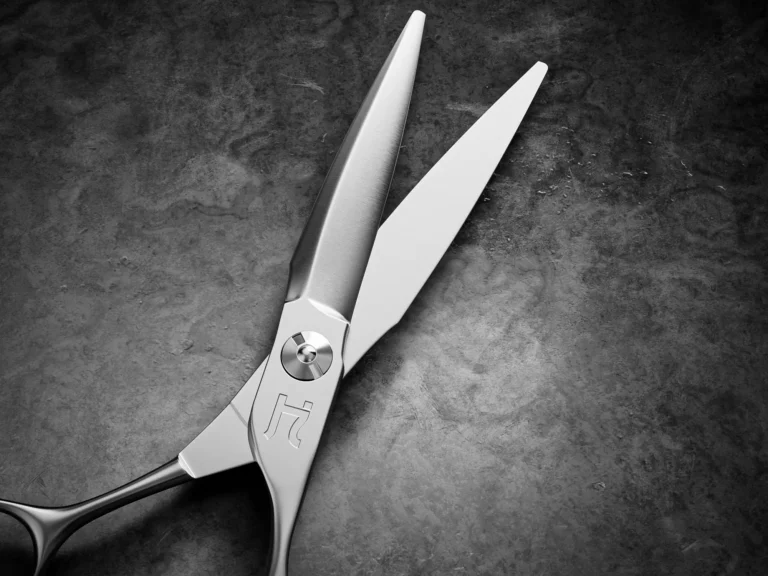
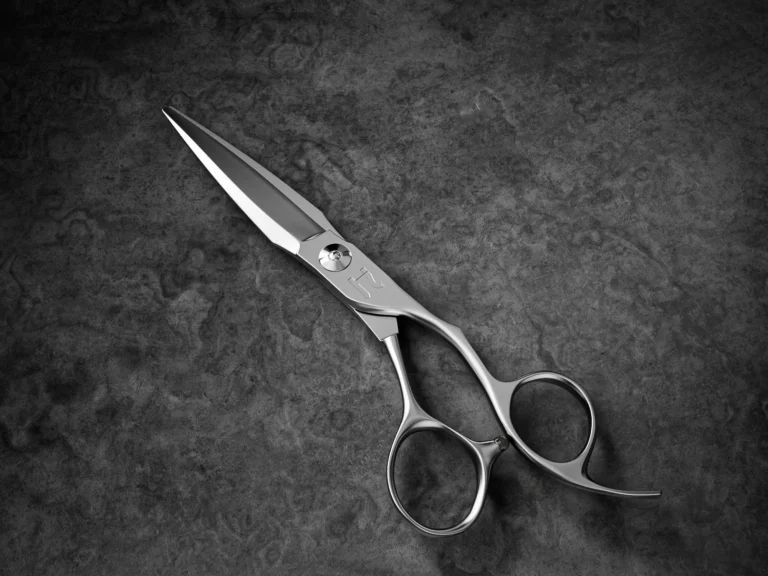
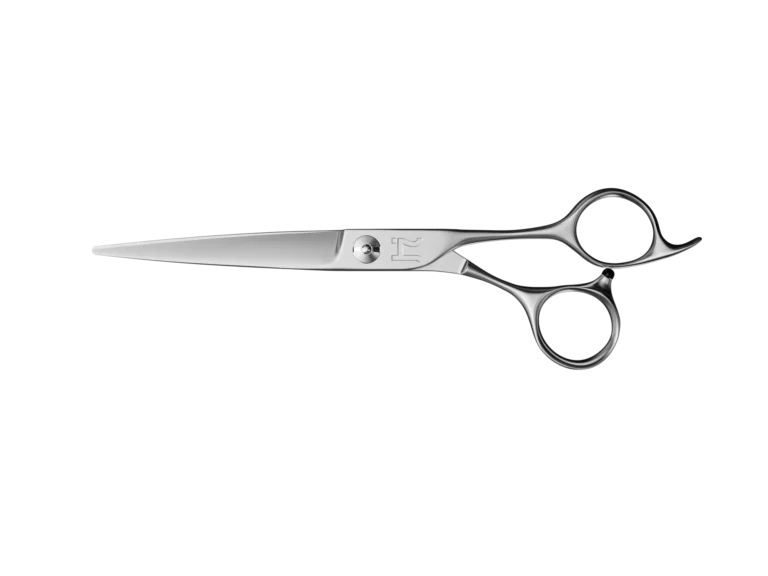
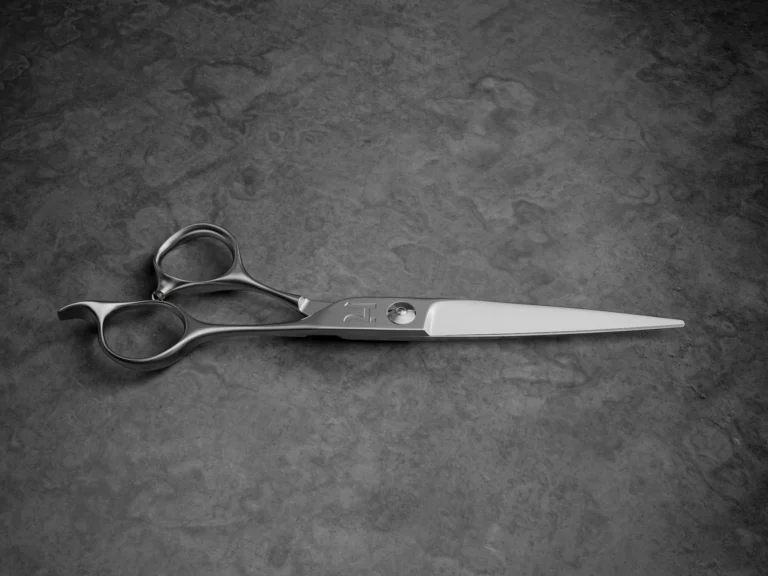
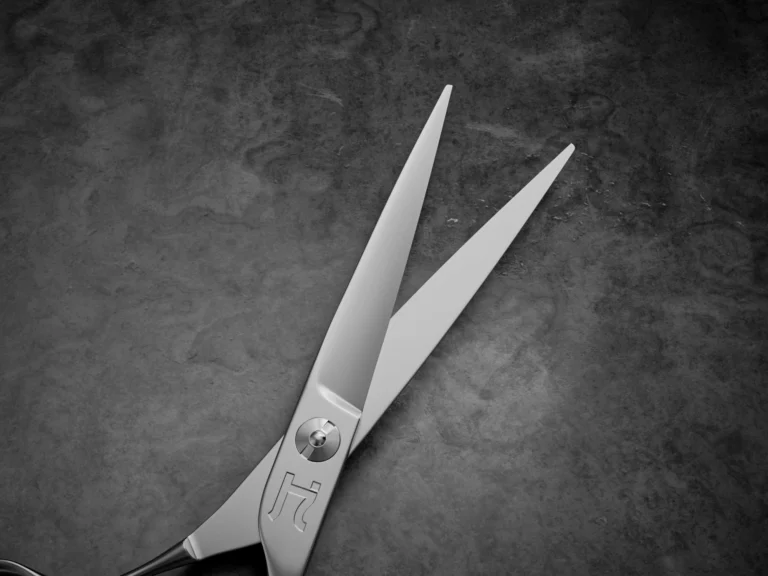
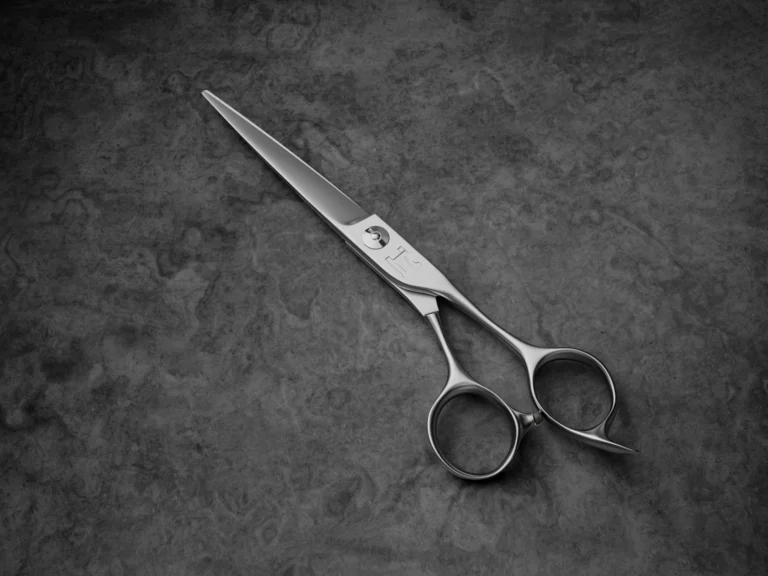
For licensed stylists and barbers, the wrong texturizer can turn a clean shape into a correction job fast . Too much grab, too much removal, or the wrong tooth pattern can leave holes, weight lines, and ends that look chewed instead of refined. Hanzo builds professional shears for cutters who need control, consistency, and tool-specific performance behind the chair, especially when texture has to look intentional instead of accidental.
The best texturizing shears are not chosen by brand name alone. They are chosen by result.
A shear that works beautifully for soft graduation may be too subtle for dense interior weight. A heavy debulking tool may be too aggressive for fine hair. A straight-tooth pattern may give you the removal you want, but not the clean release you need when working through dry hair or detailed perimeter refinement.
Here’s the thing: professional texturizing shears should match the way you cut, not force you to adjust every section around the tool. Tooth count, tooth shape, blade balance, and release all change the finish. Once you understand those differences, choosing the right Hanzo texturizer becomes a lot easier.
Tooth Count: How It Changes the Result
Tooth count is one of the fastest ways to understand what a texturizer is built to do. More teeth usually means a softer, more controlled result. Fewer teeth usually means stronger removal and more visible separation.
That does not mean one is better than the other. It means each tool belongs in a specific part of the haircut.
Low Tooth Count: 10 to 16 Teeth
Low tooth count texturizers are made for aggressive weight removal and chunkier texture. These are the tools you reach for when the hair is dense, heavy, or collapsing the shape.
They are useful when you need to:
- Break up thick interior sections
- Create stronger visual separation
- Remove weight quickly
- Add more obvious movement
- Open up bulky areas without flattening the haircut
The tradeoff is control. A low-tooth texturizer can be powerful, but it also leaves less room for error. On fine hair, overuse can create gaps. On dry, light-colored hair, the cut pattern can show faster. This is why experienced stylists usually reserve lower tooth counts for dense hair, heavy shape correction, or deliberate texture work.
Mid-Range Tooth Count: 20 to 28 Teeth
Mid-range texturizers are the most versatile zone for many stylists and barbers. This is where you get a balance between removal and refinement.
A 20-to-28 tooth shear is often ideal for:
- Blending
- Soft graduation
- Medium weight removal
- Internal shape control
- Softening weight lines
- Controlled visual texture
This range is especially useful behind the chair because it does not lock you into one type of result. You can remove weight, soften transitions, and refine shape without jumping straight into aggressive chunking or ultra-fine polishing.
For cutters building a serious kit, this is usually the first category to consider. A strong mid-range texturizer can cover a lot of daily salon and barbershop work before you need a more specialized tool. Hanzo’s full professional shears lineup includes texturizers built around this exact kind of controlled performance.
High Tooth Count: 30 to 40 Teeth
High tooth count texturizers are built for refinement. They are usually best when the haircut is already shaped and you need to polish, blend, soften, or create subtle movement without disturbing the structure.
Use a high-tooth tool when you want:
- Fine finishing
- Soft visual texture
- Subtle weight reduction
- Scissor-over-comb blending
- Short-hair refinement
- Clean transitions without obvious cutting marks
This is where barbers often see a major difference. On short hair, especially in scissor-over-comb work, too much removal can show immediately. A 40-tooth texturizer gives you a smoother, more even blend while still creating movement and control.
Curved vs Straight Teeth: What the Geometry Does
Tooth count tells you how much the shear can remove. Tooth geometry tells you how the hair moves through the tool.
That distinction matters.
Two texturizers can have the same number of teeth and still behave very differently because of tooth shape, spacing, edge detail, and how the blade releases the hair.
Curved Teeth
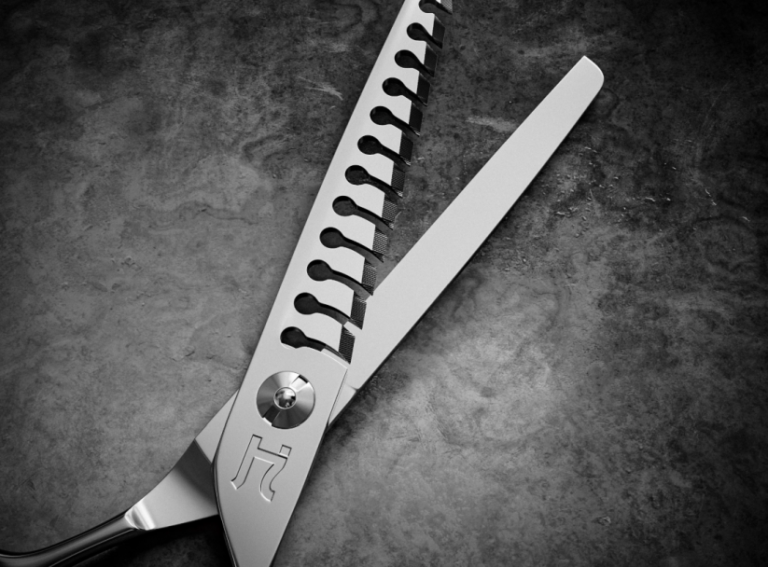
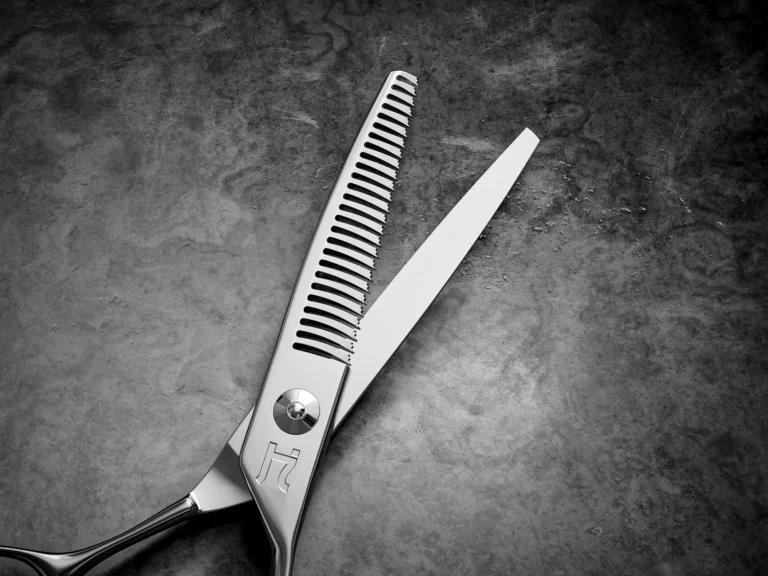
Curved teeth are designed for a cleaner release. They help the shear slide out of the section without grabbing or dragging hair.
This is valuable when you are working through:
- Dry cutting
- Blending
- Interior weight removal
- Soft graduation
- Finished shapes that need polish
- Hair that tangles or catches easily
Curved teeth are especially helpful when you want weight removal without a harsh “bite.” They allow the cutter to work with more confidence because the hair releases more smoothly after each close.
In real chair work, that means less fighting the tool. You can go in, remove weight, slide out, reassess, and keep the shape clean.
Straight Teeth
Straight teeth usually create more grab. That can be useful when you want heavier removal or a stronger bite into dense hair.
Straight-tooth texturizers may work well when you need:
- More control on thick sections
- Heavier material removal
- Stronger grip in the hair
- More direct cutting action
- Less slide and more hold
The risk is that they can feel less forgiving. If the shear grabs more hair than expected, the result can become too heavy or too visible. That is why straight-tooth tools are often better in the hands of cutters who know exactly where they want removal and how much density they want to take.
Material Removal vs Visual Texture
One mistake even experienced cutters make is choosing a texturizer based only on how much hair it removes.
Material removal and visual texture are related, but they are not the same thing.
Material removal is about reducing density. You are making the section lighter, softer, or less bulky. This is what matters when the client says, “My hair feels too thick,” or when a shape is collapsing because there is too much weight inside.
Visual texture is about what the eye sees. You are creating movement, separation, softness, or a more lived-in finish. This is what matters when the haircut looks too solid, too blunt, or too heavy at the surface.
A good texturizing shear can do both, but not every texturizer is balanced the same way.
For example:
- A lower tooth count can remove more material and create stronger visible texture.
- A mid-range tooth count can blend while still creating light visual movement.
- A higher tooth count can refine the finish while keeping the shape controlled.
That is why the best shears for texturizing depend on the problem you are solving. A dense bob, a short barbered crop, a soft shag, and a men’s scissor-over-comb blend do not need the same tool.
Best for Heavy Weight Removal
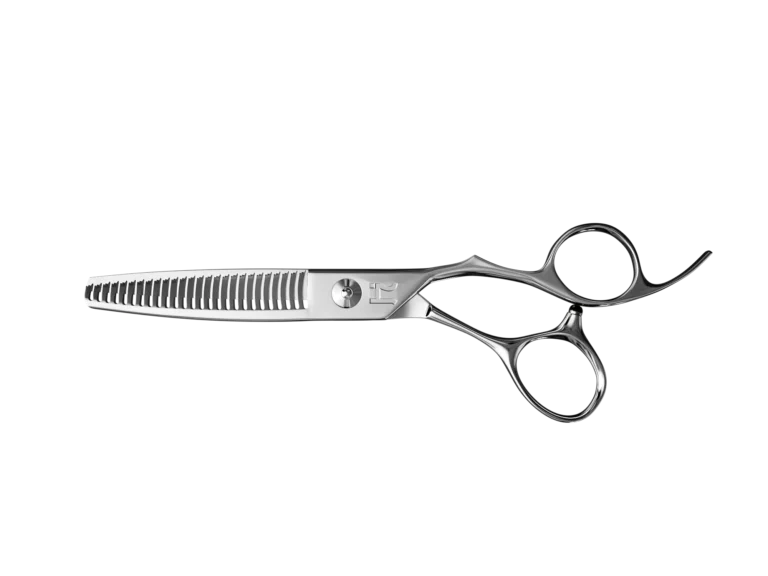
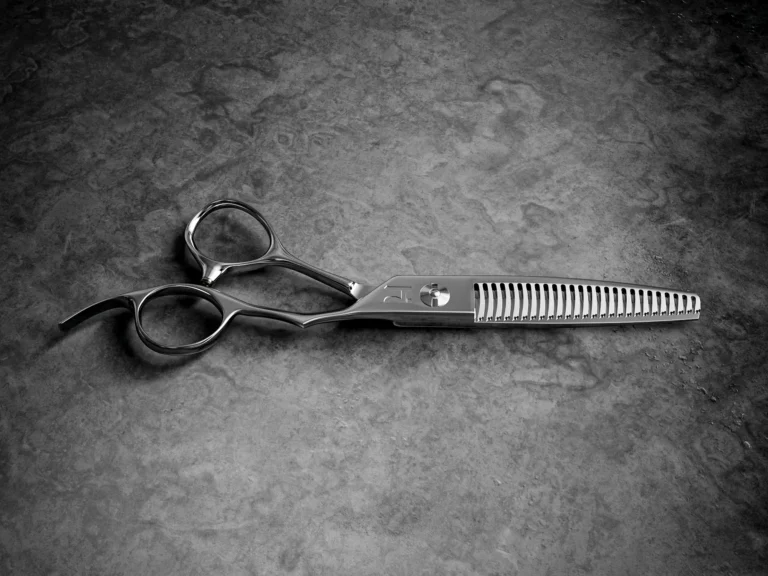
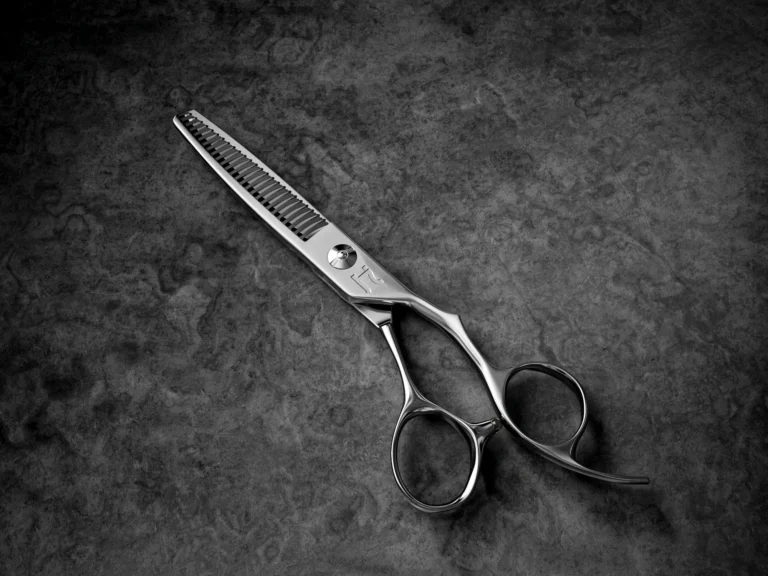
Hanzo HH14T Shimatta: 26 Teeth, Medium-Coarse Result
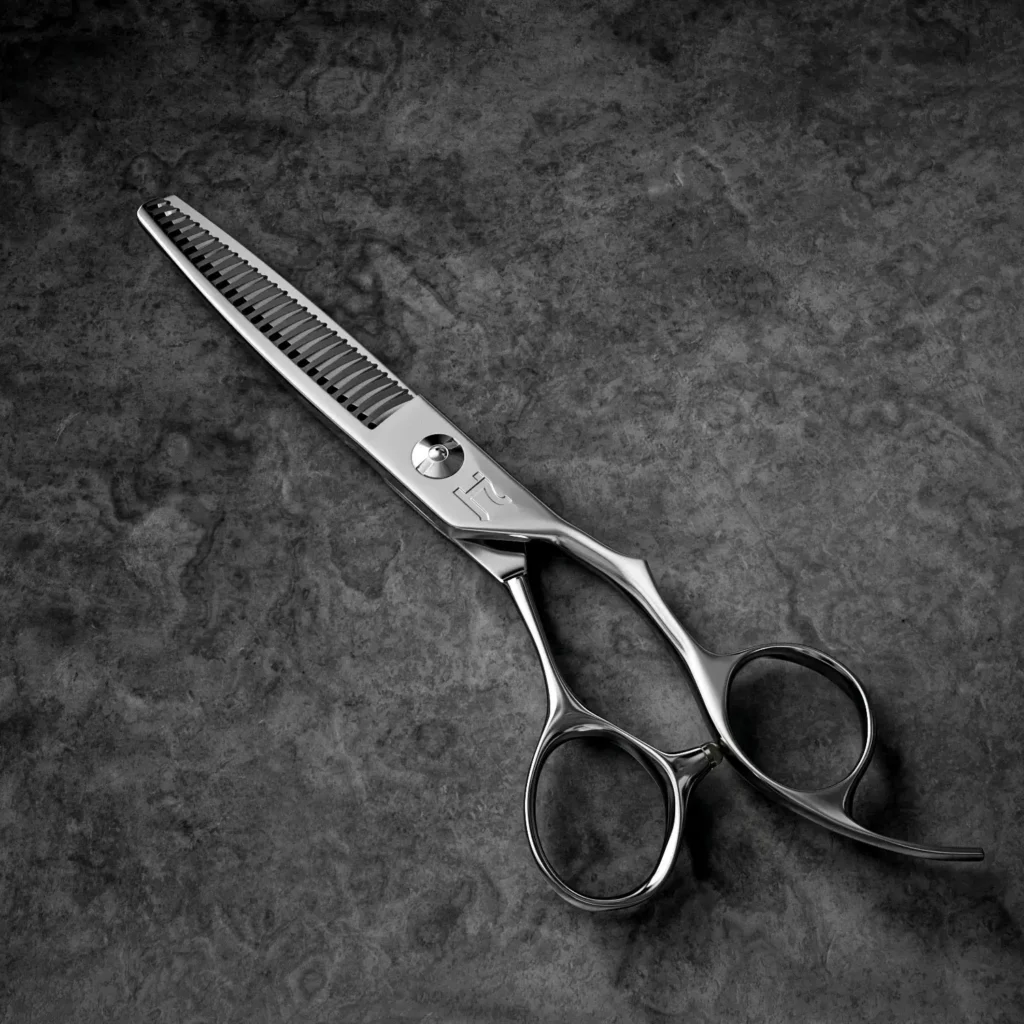
For heavy weight removal with control, the HH14T Shimatta is one of the strongest choices in the Hanzo texturizing lineup.
The HH14T is a 26-tooth medium-coarse blending texturizer built for even weight removal, blending, and light visual texture. It gives stylists and barbers the ability to remove significant density without jumping into an overly aggressive low-tooth result.
This makes it especially useful for:
- Thick hair that needs interior weight removed
- Medium-to-coarse textures
- Bulky shapes that need controlled collapse
- Softening heavy areas without destroying the perimeter
- Creating movement while keeping the haircut wearable
The 26-tooth configuration sits in that practical middle ground: strong enough to debulk, controlled enough to blend. That is a major reason the HH14T works well for professionals who need one texturizer that can handle a wide range of daily cutting situations.
A quick chair-side example: if a client has thick hair that builds too heavily around the occipital area , a 26-tooth medium-coarse tool lets you remove internal density without making the outside shape look thin or broken. You can reduce the problem area while keeping the haircut polished.
Best for Blending and Soft Graduation
Hanzo HH14T Shimatta: 26-Tooth Medium-Coarse Blending Texturizer
The HH14T Shimatta also earns the top spot for blending and soft graduation because of its balance between removal, release, and finish.
This is Hanzo’s most popular texturizer for a reason. The 26-tooth layout gives enough cutting power to remove meaningful weight, while the curved teeth help the shear slide out without grabbing. Micro-serrated top edges add a hint of visual texture, which makes the result look softer and more intentional.
It is the kind of tool that feels like an industry-standard upgrade over the basic beauty school texturizer many stylists started with.
Best use cases include:
- Soft graduation
- Weight-line diffusion
- Interior blending
- Medium density reduction
- Controlled texture on dry hair
- Blending around short-to-medium shapes
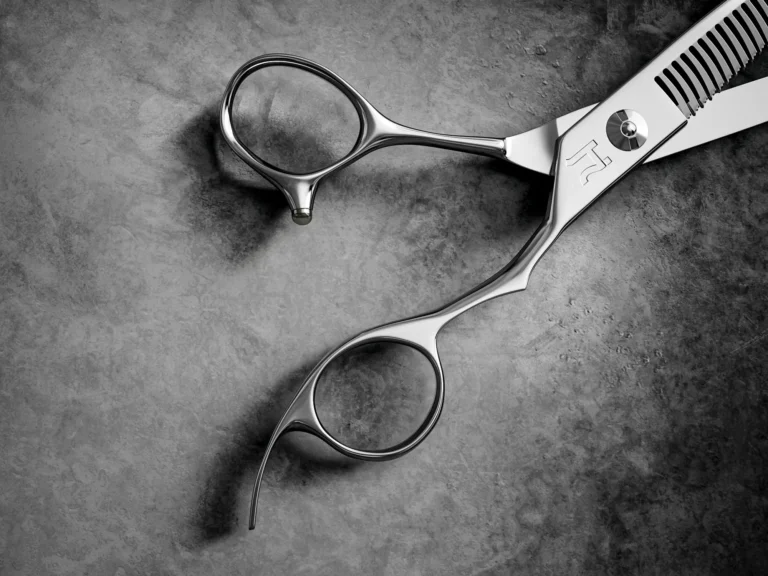
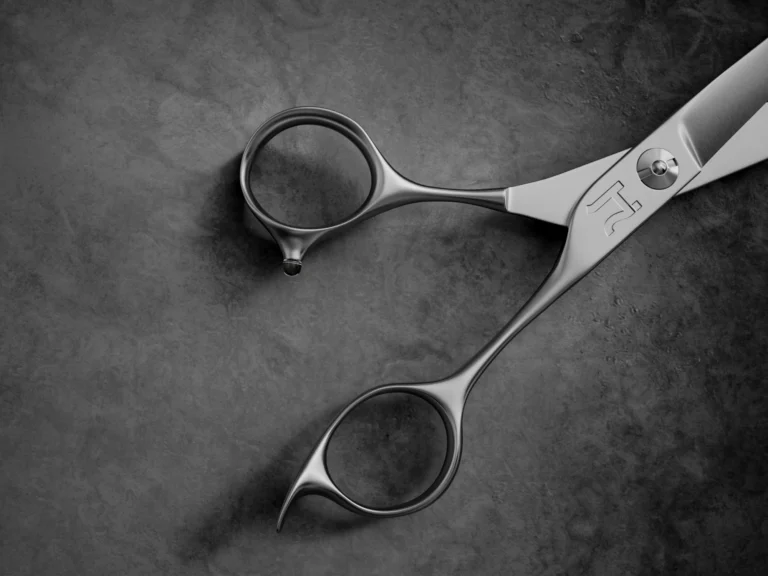
The HH14T is also available in related ergonomic options, including the HH3T swivel version and the HH2T left-handed version. That matters because comfort is not a small detail when you are opening and closing a texturizer all day. If the tool fits your hand better, your work usually gets cleaner and more consistent.
For stylists who want one professional thinning and texturizing shear that can live in regular rotation, the HH14T is the practical answer. It removes enough hair to make a difference, but it does not behave like an overly aggressive debulking tool .
Best for Fine Finishing and Visual Texture
Hanzo HH40T Mazeru: 40 Teeth, Fine Blending Result
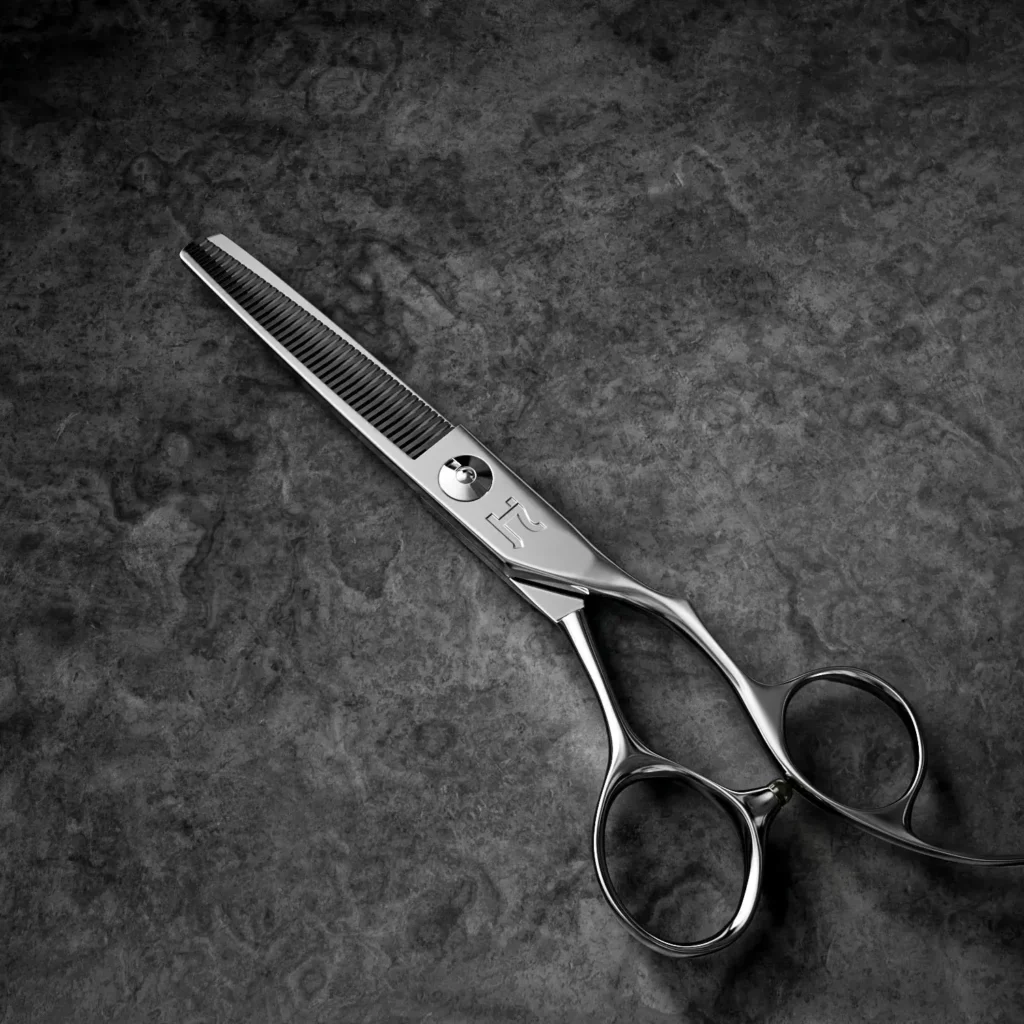
For fine finishing, visual texture, and refined blending, the HH40T Mazeru is the standout.
The HH40T is a 40-tooth fine blending shear designed for even blending and short-hair refinement. Hanzo describes it as a staple tool for stylists and barbers, and it is especially strong for scissor-over-comb blending.
The 40-tooth configuration produces a softer, more even result than a mid-range or low-tooth texturizer. Instead of creating chunkier separation, it helps polish transitions and remove weight in a more controlled pattern.
Best use cases include:
- Fine finishing
- Short-hair blending
- Scissor-over-comb refinement
- Subtle surface texture
- Softening dense areas without visible marks
- Polishing work after the main shape is built
The HH40T removes 50% of the hair for an even blend, making it a strong choice when the goal is refinement rather than aggressive debulking. It is built with the premium alloy performance Hanzo professionals expect from a daily-use blending tool, which supports the kind of durability professionals expect from a daily-use tool.
This is especially useful in barbering. When blending short hair, a heavy texturizer can create obvious cut marks or uneven density. A 40-tooth shear gives the cutter more control, especially when working through transitions that need to look clean up close.
The HH40T is also available as the HH340T swivel version for cutters who prefer a more ergonomic hand position.
Can You Use Texturizing Shears on All Hair Types?
Yes, but not the same way on every hair type.
That is the part that matters.
Texturizing shears for stylists should be chosen based on density, texture, shape, and the client’s finish goal. The tool that makes thick hair move beautifully can make fine hair look sparse if used too aggressively.
Thick Hair
Thick hair usually needs more material removal. A mid-range texturizer like the HH14T can be ideal because it removes enough weight to change how the hair sits without creating uncontrolled gaps.
For very dense hair, focus on:
- Interior sections
- Areas where shape collapses
- Bulk behind the ear
- Occipital weight
- Heavy corners
- Thick ends that need movement
Avoid overworking the surface unless the goal is visible texture. Too much surface removal can make thick hair expand or look frizzy instead of controlled.
Fine Hair
Fine hair needs restraint. The goal is usually visual softness, not major density removal.
For fine hair, a high-tooth texturizer like the HH40T often makes more sense because it allows for subtle blending and finishing. Use fewer closures, stay intentional, and reassess often.
Fine hair shows mistakes faster. If you remove too much, there is nowhere to hide it.
Curly and Wavy Hair
Curly and wavy hair requires extra judgment because texture affects how the hair expands, collapses, and separates after cutting.
For these hair types, texturizing should support the curl pattern, not fight it. Over-removal can create frizz, weak ends, or uneven shape. A controlled mid-range texturizer can work well when used strategically, especially for reducing bulk in specific areas without disturbing the overall silhouette.
Short Hair and Barbering
Short hair often benefits from higher tooth counts because every cut mark is more visible. The HH40T is especially strong here because it supports scissor-over-comb blending and fine transition work.
For barbers, the priority is usually clean graduation, soft blend zones, and controlled weight removal. A 40-tooth tool helps refine without making the blend look over-cut.
For dense, coarse, or hard-to-control hair, choosing the right texturizer matters even more, especially if you are already comparing professional shears for thick hair to manage bulk, movement, and shape without over-thinning.
How to Choose the Right Hanzo Texturizer
Choosing the right texturizer comes down to one question: what result do you need most often?
If you mainly need weight removal, choose a tool with enough tooth spacing and removal power to reduce density efficiently.
If you mainly need blending, choose a mid-range tooth count with controlled release.
If you mainly need finishing, short-hair refinement, or subtle visual texture, choose a higher tooth count.
A simple way to think about it:
- Choose 10 to 16 teeth for aggressive texture and heavier removal.
- Choose 20 to 28 teeth for versatile blending and soft graduation.
- Choose 30 to 40 teeth for fine finishing and subtle refinement.
For most working stylists, the HH14T is the everyday blending and debulking choice. For barbers and finish-focused cutters, the HH40T is the fine blending tool that earns its place fast.
Many professionals eventually carry both because they solve different problems. One handles weight. The other handles polish.
Final Takeaway
The best texturizing shear is not the one that removes the most hair. It is the one that gives you the result you meant to create.
For controlled weight removal and versatile blending, the HH14T Shimatta is the practical workhorse. For fine finishing, short-hair blending, and refined visual texture, the HH40T Mazeru is the sharper choice.
When your tool matches the technique, the haircut looks cleaner, the finish feels softer, and the client leaves with shape that grows out better.
Browse Hanzo’s full range of professional shears and filter by tooth count and blade type. Hanzo’s professional texturizing lineup makes it easier to choose the right tooth count, blade style, and cutting result for your technique.