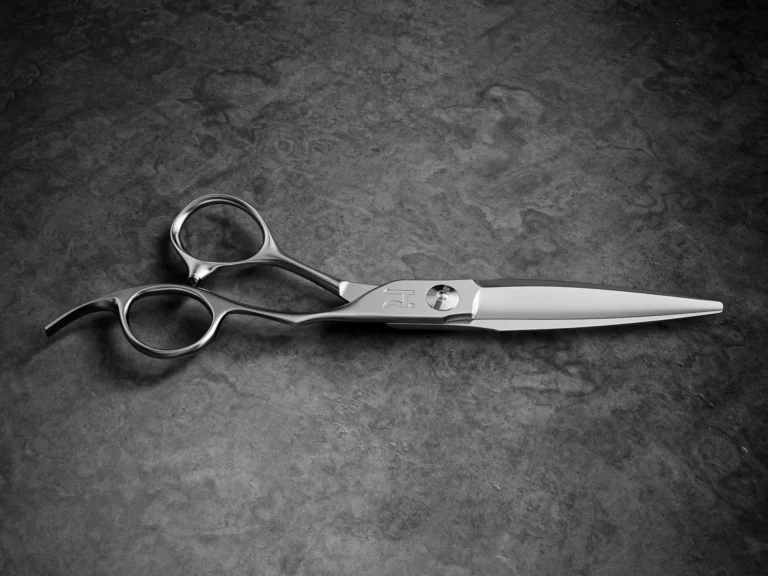
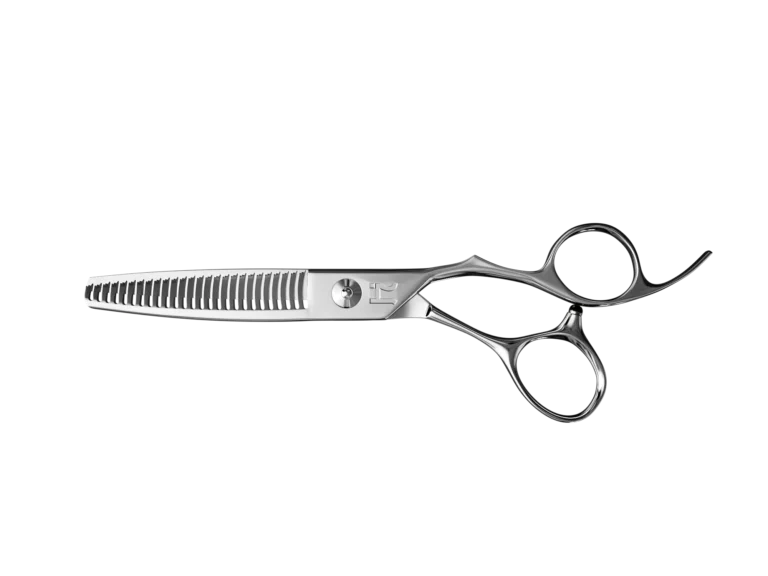
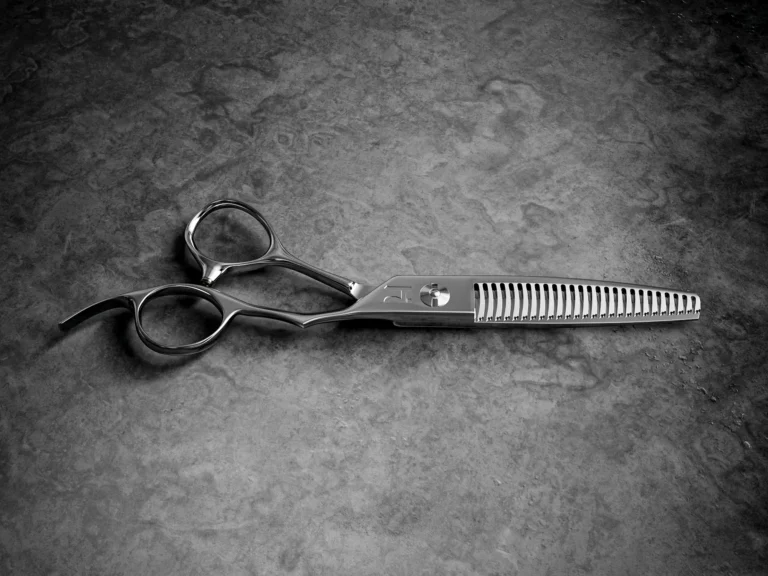
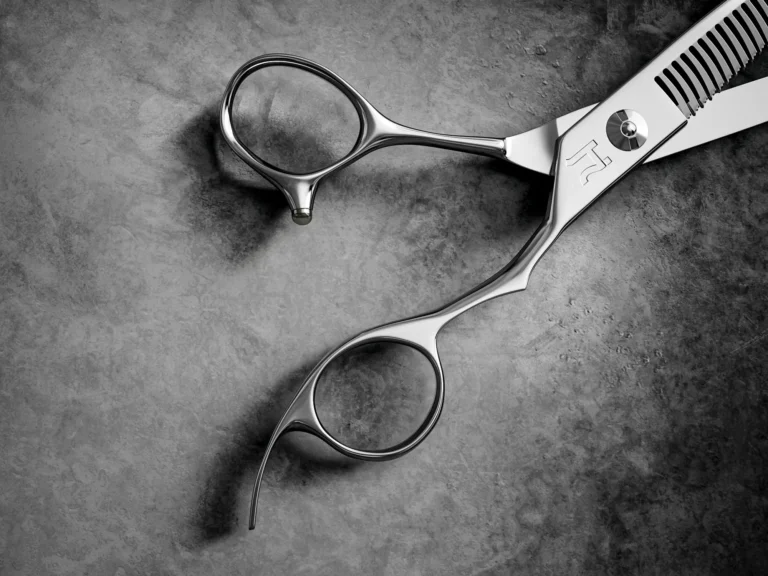
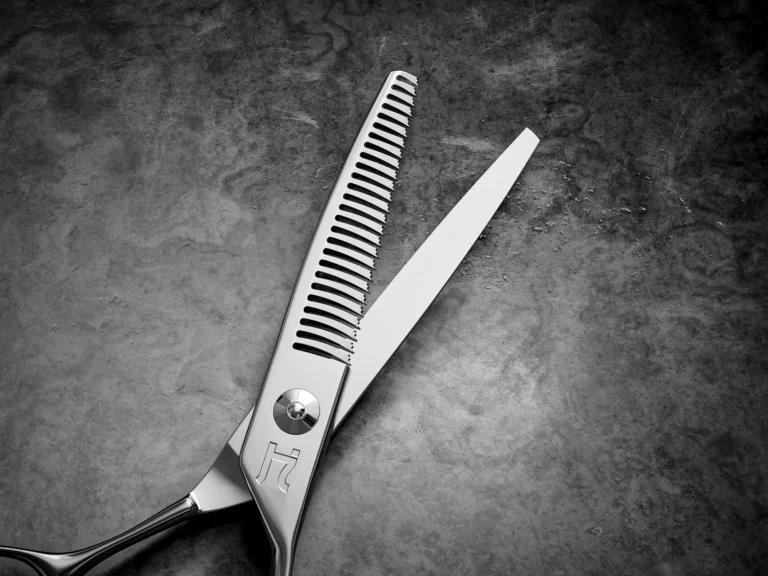
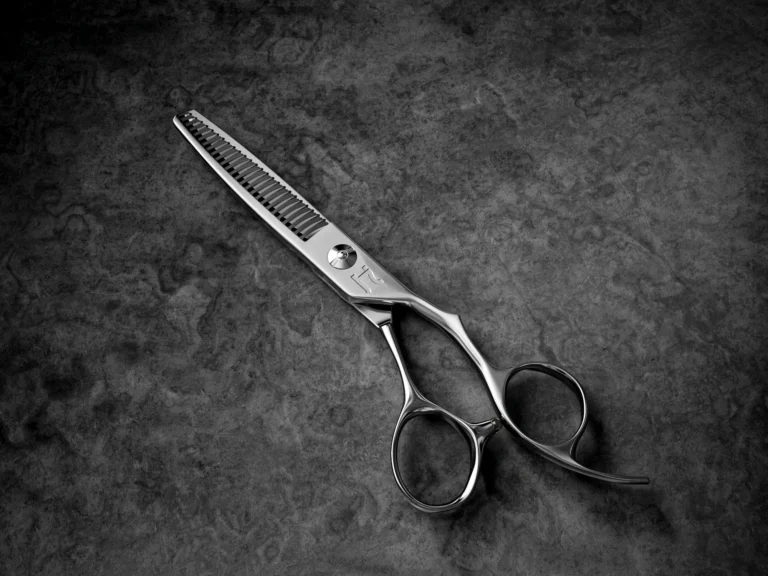
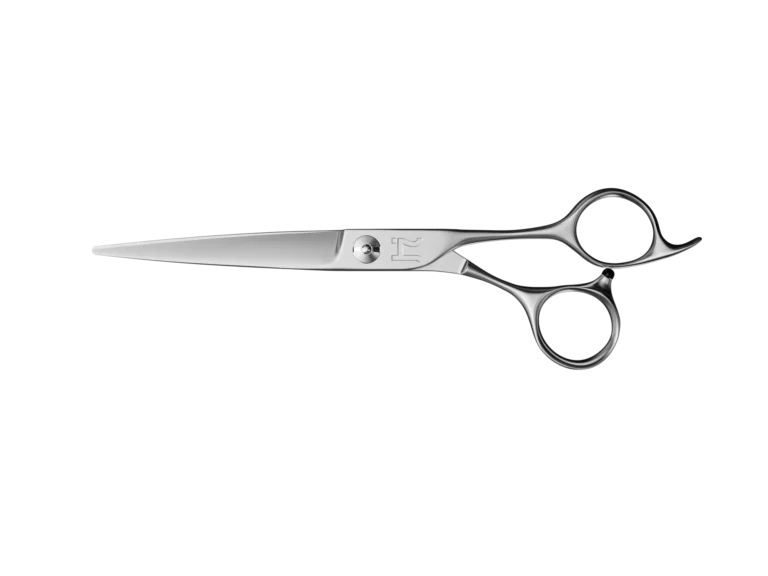
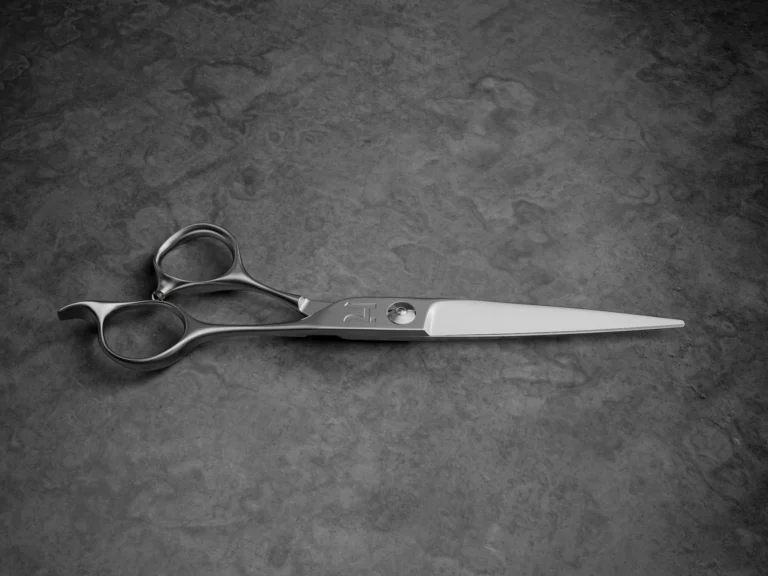
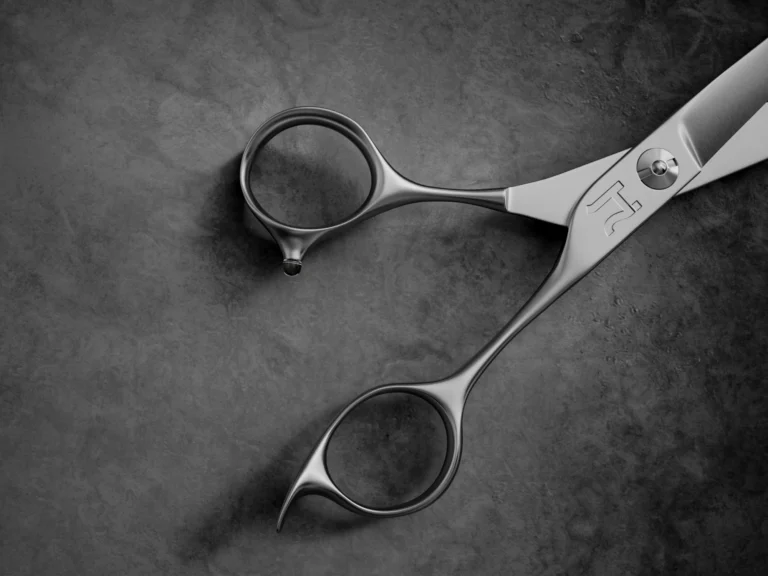
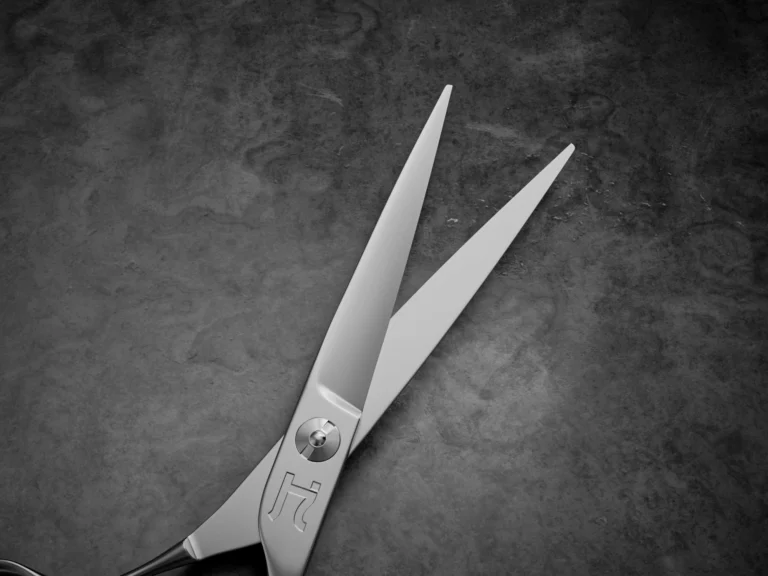
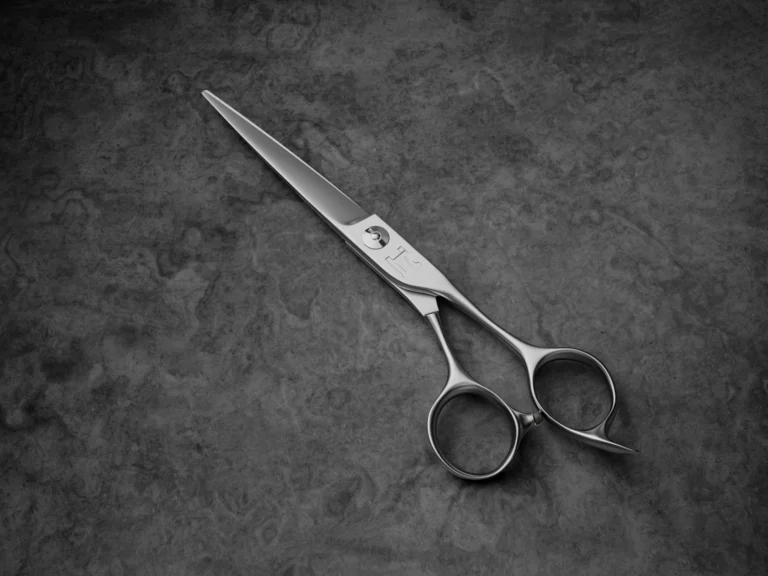
For licensed stylists and barbers comparing premium Japanese steel, the hardest part is not deciding whether quality matters. It is knowing which steel grade actually fits the way you cut all day. The wrong shear can feel sharp at first, then struggle with dry cutting, dense sections, slide work, or daily wear. Hanzo builds professional shears from refined Japanese steel alloys designed for real salon and barbershop use, so this guide breaks down the steel itself and helps you choose the right grade with confidence.
Why Japanese Steel Is the Standard for Professional Shears
Japanese steel has earned its reputation because it can support a refined cutting edge, consistent blade geometry, and the kind of edge retention serious stylists need behind the chair. In haircutting, sharpness is not only about how a shear feels on day one. It is about how well the edge holds through wet cutting, dry cutting, point cutting, slide work, perimeter lines, and dense sections.
That is why steel quality matters. Better grain structure allows the blade to be sharpened to a cleaner edge. Stronger alloys help that edge resist rolling, dulling, and fatigue. More refined manufacturing gives the shear a smoother feel through the hair.
When stylists shop for professional shears, the steel grade is one of the most important signals of performance. Japanese steel shears are not all the same, though. Hanzo’s lineup includes several steel families, and each one delivers a different balance of strength, control, edge life, and cutting feel.
The Three Steel Grades in Hanzo’s Lineup
Hanzo’s shear lineup is built around three major steel categories. Each one has a place, and each one serves a different type of professional expectation.
Cobalt and Molybdenum Alloy
Cobalt and molybdenum alloy shears are built for balance. They offer strong edge performance, a smooth cutting feel, and everyday versatility without pushing the tool into an ultra-specialized category.
This steel family is a strong fit for stylists who move quickly between wet cuts, dry detailing, shaping, layers, and daily salon work. It is not about chasing the most extreme edge possible. It is about dependable performance that feels controlled in the hand.
High-Carbon Japanese Steel
High-carbon Japanese stainless steel is designed for hardness, edge strength, and more demanding cutting. This grade is especially valuable when dry cutting, channel cutting, cutting coarse hair, or working through thicker sections.
Higher carbon content generally supports hardness and wear resistance, which can help a blade maintain a keen edge when paired with the right heat treatment and geometry. For stylists, that translates into a shear that can push through harder work without feeling soft or underpowered.
Nano-Powder Steel
Nano-powder steel is Hanzo’s premium performance category. It is built from condensed microparticles, giving the blade a refined structure designed for maximum strength, sharpness potential, and elite edge retention.
This is the grade for established professionals who want the highest level of steel performance in the Hanzo range. It is especially valuable for clean perimeter work, strong line control, bobs, precision cutting, and dense sections where the blade needs to stay clean and confident.
Cobalt and Molybdenum Alloy – Best for Everyday Versatility
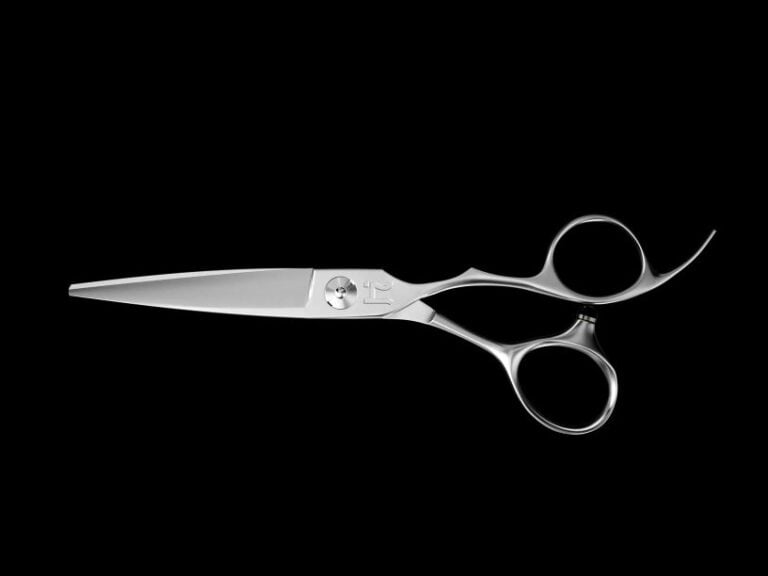
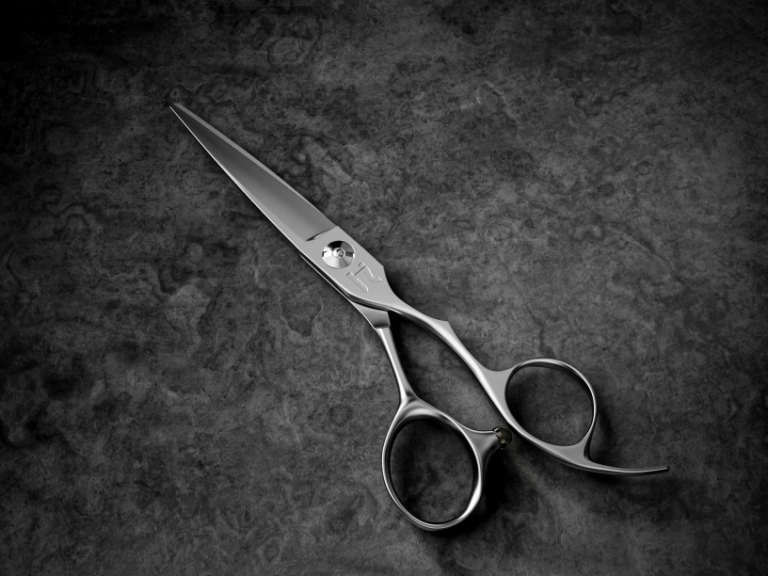
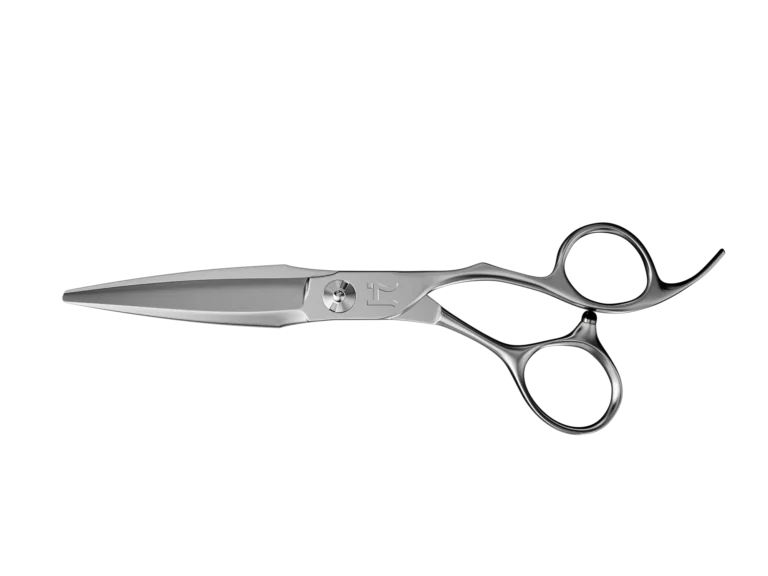
The best representative in Hanzo’s cobalt and molybdenum alloy family is the HH8 Talon. This is Hanzo’s most popular shear overall, and for good reason. It is a wet-to-dry hybrid built from a proprietary blend that includes cobalt and molybdenum alloys. The HH8 Talon is available in sizes ranging from 5.0 inches to 7.5 inches.
The Talon works because it does not force the stylist into one narrow lane. It can handle wet shaping, everyday cutting, light dry work, and general salon movement. Think of the stylist who has a full book, bouncing from long layers to men’s grooming to a quick reshaping appointment before lunch. That person needs a shear that feels controlled, smooth, and dependable every time it opens and closes.
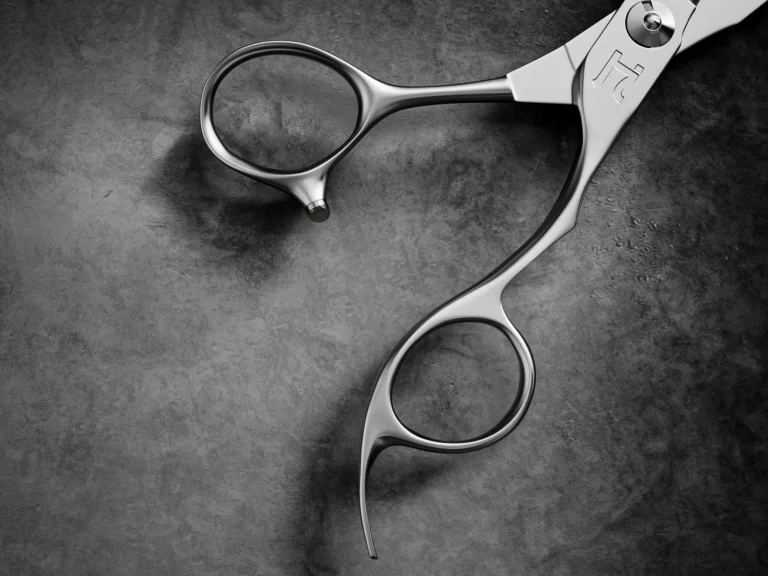
The HH8 Talon is also designed with a 20-degree offset handle, countersunk locking tension control, and an evenly balanced feel. It is light, easy to control, and available in one of the widest size ranges in the shear family.
For stylists who want a similar steel family but need more ergonomic relief, the HH3 Ayako is also worth considering. Its swivel handle design supports a more natural hand position, which can help stylists who cut long days and want to reduce wrist strain.
Choose cobalt and molybdenum alloy if you want:
- One premium everyday shear
- A smooth wet-to-dry cutting experience
- Lightweight balance
- Versatility across general salon work
- Reliable steel without jumping into the highest price tier
Here’s the thing: not every stylist needs the most aggressive blade in the room. Many need a shear that performs cleanly from the first client to the last. That is where the cobalt-molybdenum category makes the most sense.
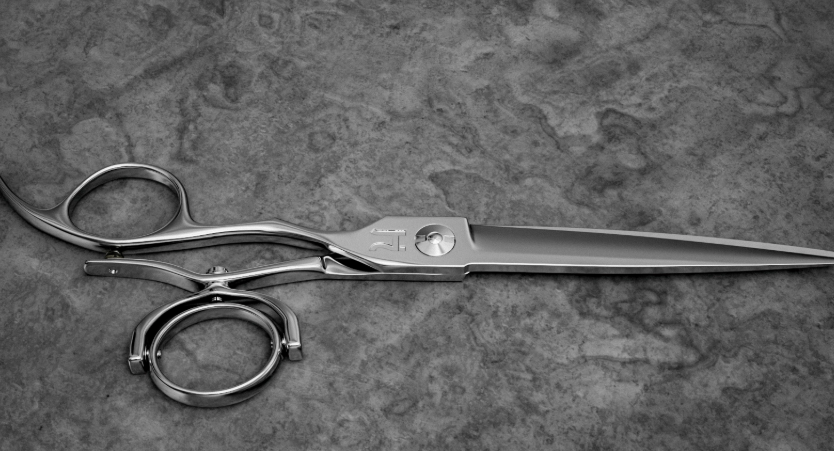
High-Carbon Japanese Steel – Best for Dry Cutting and Edge Strength
High-carbon Japanese steel is the right category when your work demands more blade authority. If dry cutting is a major part of your book, or if you regularly cut coarse, thick, curly, or dense hair, this steel family gives you more strength behind the edge.
The flagship recommendation here is the HH6 Kime. Hanzo lists the HH6 Kime at $1,115 and describes it as a premium high-carbon Japanese stainless steel shear with excellent performance on coarse hair. It is built with a thicker blade and designed for dry cutting, channel cutting, slide cutting, and wet work when needed.
What makes the HH6 Kime stand out is its ability to move through difficult hair without feeling like it is dragging, tearing, or losing confidence. The HH6 has a slightly exaggerated radius for versatility on wet and dry hair, along with a thicker blade that can push through thick, coarse dry hair quickly.
This is the kind of shear a stylist reaches for when the hair is not cooperating. Heavy density. Dry reshaping. Channel cutting. Slide work. The HH6 Kime gives the blade more backbone.
Another strong option in the high-carbon family is the HHV Mamba. It is a high-carbon wet/dry hybrid with a narrower precision blade. That makes it a good choice for stylists who want high-carbon strength but still prefer a more controlled, precision-driven feel.
For dry slide cutting, curly hair, finishing, and strong visual shape-building, the HH1 Kamikaze is the more specialized option. Its wide blade and exaggerated radius help support dry cutting techniques where the blade needs to glide, open space, and create movement.
Choose high-carbon Japanese steel if you want:
- Stronger edge performance for dry work
- Better control on coarse or dense hair
- A blade with more authority
- Reliable performance for channel cutting and slide cutting
- A shear that feels built for serious daily use
Many stylists do not realize they have outgrown their starter shear until every dry cut feels like extra effort. If you are compensating with more hand pressure, taking smaller sections than needed, or avoiding certain techniques because the blade does not feel strong enough, high-carbon steel is usually the next logical step.
Nano-Powder Steel – Best for Elite Performance
Nano-powder steel is the premium end of Hanzo’s steel lineup. It is built for professionals who want maximum edge strength, cleaner line control, and the highest level of cutting performance available in this category.
The best representative is the HHP Pai Mei. Hanzo lists the HHP Pai Mei at $2,948 and identifies it as a nano steel straight blade available in 5.5, 6.0, and 6.5 inches. Its features include premium nano powder steel, condensed microparticle construction, maximum-strength steel, and the ability to hold a sharper cutting angle. This is not a casual upgrade. The HHP Pai Mei is for the stylist who already knows what premium steel feels like and wants the next level.
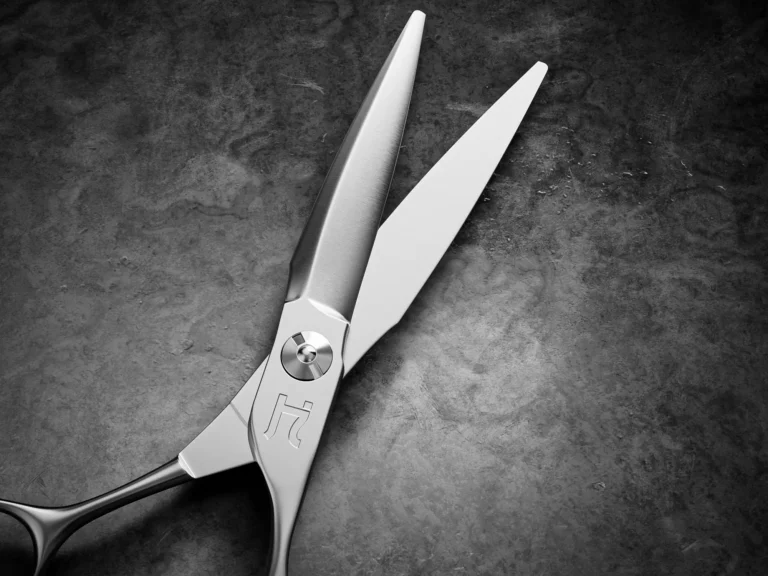
The Pai Mei as ideal for cutting perfectly straight lines, perimeter lines, bobs, and dense sections. The design combines a nearly flat thumb blade with a rounded spine and a curved cutting blade, giving it both control and capability.
In real salon language, this is the shear you want when the line has to be clean the first time. Bobs. Heavy perimeters. Dense sections. Precision shapes. High-ticket clients who notice everything. The Pai Mei is built for stylists who care about time, control, and consistency.
Choose nano-powder steel if you want:
- Maximum edge retention
- Elite line work
- Premium cutting strength
- Cleaner performance through dense sections
- A top-tier shear for established professional use
Let’s be real: nano-powder steel is not necessary for everyone. But for stylists who have already built a strong book, charge for precision, and rely on elite tool performance every day, the upgrade can make sense.
How to Match the Steel Grade to Your Work
The easiest way to choose the right steel grade is to look at what your hands do most often behind the chair.
If you cut mixed techniques every day, choose cobalt and molybdenum alloy. The HH8 Talon gives you a dependable, balanced option for wet work, dry detailing, and general salon versatility.
If dry cutting is a major part of your book, choose high-carbon Japanese steel. The HH6 Kime is built for edge strength, coarse hair, channel cutting, slide cutting, and heavier dry work.
If you want maximum edge life and elite line control, choose nano-powder steel. The HHP Pai Mei is the premium choice for clean perimeters, bobs, dense sections, and high-precision work.
Do not buy steel based on price alone. Buy it based on how you cut, how often you cut, and where your current shear starts to fall short.
Does Steel Grade Affect Sharpening?
Yes. Steel grade affects sharpening because higher-grade shears require the right sharpening method, pressure, angle control, and blade geometry preservation. A premium shear can lose its original feel if it is sharpened too aggressively or by someone who does not understand the tool.
That matters even more with high-carbon and nano-powder steel. These shears are built to hold refined edges, so the sharpening process needs to protect the blade’s geometry instead of grinding away the performance you paid for.
Hanzo’s StaySharp program is built around ongoing shear care. The program includes 4 sharpenings per year for the standard membership and 8 sharpenings annually for StaySharp Plus.
For stylists, that consistency matters. A dull shear changes your haircut. It changes your hand pressure. It changes how cleanly the hair responds. And over time, it can make you work harder than you should.
FAQ: Choosing Japanese Steel Hair Shears
What is the best steel for hair shears?
The best steel depends on how you cut. Cobalt and molybdenum alloy is best for everyday versatility. High-carbon Japanese steel is best for dry cutting, coarse hair, and stronger edge performance. Nano-powder steel is best for elite edge retention, premium line work, and maximum cutting strength.
Is Japanese steel good for shears?
Yes. Japanese steel is widely valued in haircutting because it can support a refined cutting edge, smooth blade action, and strong edge retention. For professional stylists and barbers, that means cleaner cutting, better control, and less compensation during detailed work.
What are professional hair shears made of?
High-end hair shears are usually made from refined steel alloys. In Hanzo’s lineup, key materials include cobalt and molybdenum alloy, high-carbon Japanese stainless steel, and premium nano-powder steel. The right choice depends on the stylist’s cutting style, daily workload, and performance expectations.
Are high carbon Japanese steel shears better for dry cutting?
High carbon Japanese steel shears are often a stronger choice for dry cutting because they provide more edge strength and blade authority. They are especially useful for coarse hair, dense sections, channel cutting, slide cutting, and situations where a lighter everyday shear may feel underpowered.
Final Takeaway: Choose the Steel That Matches Your Standard
A good shear should feel like an extension of your hand. A great shear should match the way you actually work.
For everyday versatility, cobalt and molybdenum alloy gives you balance and control. For dry cutting and stronger edge performance, high-carbon Japanese steel gives you more blade authority. For elite line work and maximum edge retention, nano-powder steel sits at the top of Hanzo’s range.
Ready to invest in Japanese steel? Browse Hanzo’s full range of professional shears and filter by steel type and blade.