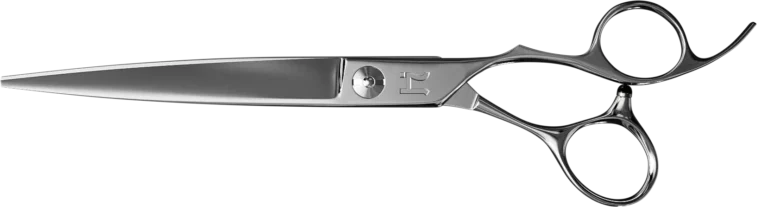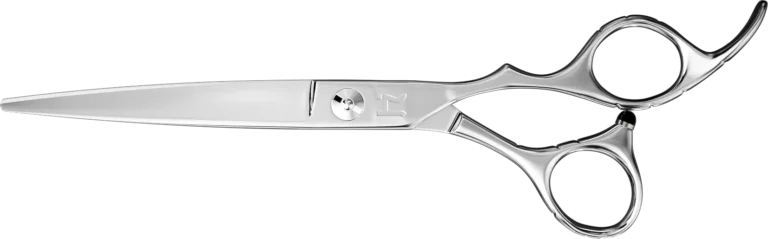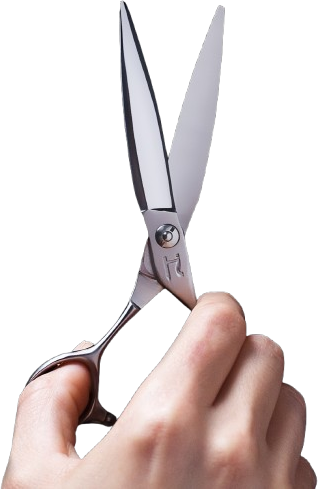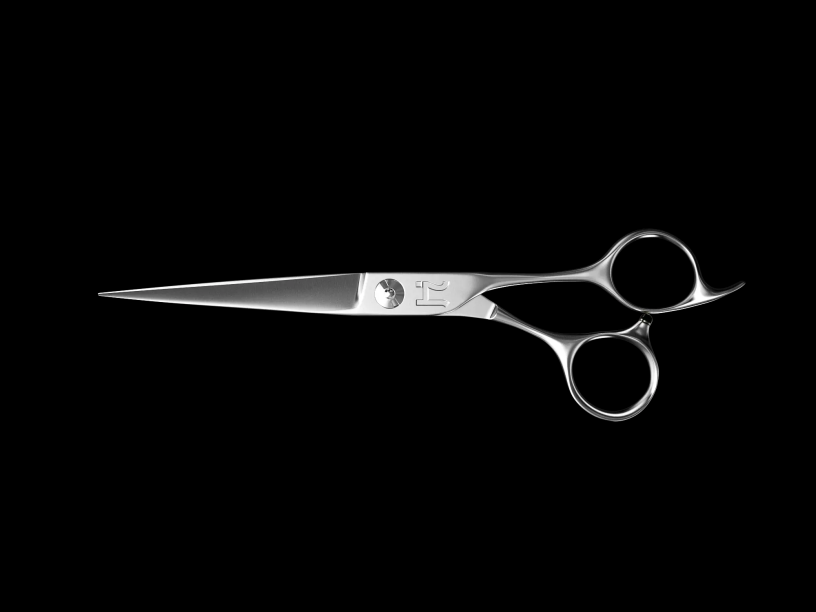
For licensed stylists and barbers comparing steel origins before buying premium hair cutting shears, the real concern is not just “which steel is better.” It is whether the shear will match your cutting style, hold its edge, feel right in your hand, and survive daily salon or barbershop use without becoming a maintenance headache. Hanzo works with professionals who need tools that perform under real appointment-book pressure, so this comparison focuses on what actually matters behind the chair: hardness, blade edge, cutting feel, sharpening, and technique fit.
The Two Steel Traditions
Japanese and German steel come from two respected tool-making traditions.
Japanese steel is closely associated with blade craftsmanship, kitchen knives, and sword-making. In hair shears, that tradition shows up in harder steel, finer edges, lighter blade movement, and a sharper cutting feel. This is why Japanese-style shears are often favored by stylists who rely on detail work, slide cutting, point cutting, wet cutting, and controlled texturizing.
German steel comes from a tradition of engineering, industrial tooling, and durable manufacturing. In haircutting tools, that usually means a more robust shear with a slightly softer steel profile, a more forgiving edge, and a heavier, more tactile feel. German steel hair scissors can be excellent for blunt cutting, barbering, and high-volume work where durability matters.
Both can produce quality professional shears. The difference is not simply “good vs bad.” It is hardness, blade geometry, sharpening needs, and how the shear behaves in your hand.
Hardness: What the Rockwell Scale Tells You
Japanese steel shears typically run 60–67 HRC depending on alloy and grade; German steel shears typically run 54–58 HRC. Those are accurate industry ranges and stating them directly builds credibility rather than
That difference affects performance.
Harder steel can hold a sharper, finer edge for longer. This is especially valuable for stylists who depend on clean sectioning, soft slide work, precision perimeter cutting, and techniques where the blade needs to move through hair without folding, pushing, or chewing the strand.
Softer steel is more forgiving. It can be easier to sharpen, less prone to brittle edge damage under rough use, and more tolerant of high-volume work. The tradeoff is that it usually dulls faster and may not hold the same ultra-refined edge as premium Japanese steel.
Here’s the thing: harder is not automatically better for every stylist. If you drop your shears, cut dirty hair, use them on extensions, or hand them to someone who does not understand proper maintenance, a harder edge can be more vulnerable to damage. But for controlled professional haircutting, Japanese steel usually gives more edge retention and a cleaner cutting experience.
Blade Edge: Convex vs Beveled
Steel origin matters, but blade geometry often matters even more.
Japanese steel shears, especially premium professional models, are often built with a convex edge. A convex edge is finely curved and extremely sharp, which allows the blade to glide smoothly through the hair. That makes it ideal for slide cutting, point cutting, wet cutting, detail cutting, and advanced texturizing techniques. Convex edges are often described as smoother and sharper than beveled edges, especially for fluid cutting methods.
German steel shears are more commonly associated with beveled or semi-beveled edges. A beveled edge has a more defined angle and a sturdier feel. It gives the blade more grip on the hair, which can be helpful for blunt cutting, dry cutting, scissor-over-comb, and barbering techniques where you want control and resistance rather than maximum glide.
That does not mean convex is “better” in every situation. It means convex is better for movement, softness, and precision. Beveled is better when you want grip, durability, and a more grounded cutting feel.
For a deeper breakdown of how edge shape affects technique, see our guide on convex vs beveled edge shears. It explains how each blade type performs across slide cutting, point cutting, and dry cutting.
Quick Technique Match
| Cutting Need | Better Fit | Why |
| Slide cutting | Japanese steel, convex edge | Smoother glide and cleaner movement |
| Point cutting | Japanese steel, convex edge | More precision and softer detail |
| Wet cutting | Japanese steel, convex edge | Cleaner edge engagement |
| Blunt cutting | German steel, beveled edge | More grip and structure |
| Scissor-over-comb | German steel, beveled edge | Strong tactile control |
| Mixed salon work | Japanese steel, convex edge | More versatile for modern techniques |
Cutting Feel Behind the Chair
Cutting feel is where many stylists make their final decision.
Japanese steel shears usually feel lighter, smoother, and quieter through the close. The blade action often feels more fluid, especially when the shear is properly tensioned and maintained. For stylists doing detailed face-framing, soft layers, internal movement, slide work, and precision cutting, that smoothness can make a long day feel easier.
German steel shears tend to feel heavier and more tactile. You may feel more feedback as the blade closes through the hair. Some barbers and stylists like that because it gives them a sense of control, especially during blunt cutting, dry cutting, and scissor-over-comb work.
Think of it like driving two different cars. One is lighter, faster to respond, and built for precision handling. The other feels more solid, grounded, and durable. Neither is wrong. But they encourage different technique choices.
If your work is mostly soft shape-building, movement, detail, and blend, Japanese steel will usually feel more natural. If your work is mostly blunt structure, bulk removal, or barber-style control, German steel can make sense.
Sharpening: The Hidden Cost of the Wrong Shear
Sharpening is where the steel conversation gets serious.
Japanese steel shears, especially convex-edge shears, need specialist sharpening. A convex blade has a specific geometry that must be preserved. If a sharpener treats a convex edge like a standard beveled edge, the shear can lose its original cutting feel. In a bad case, the blade may be permanently changed.
That is one reason stylists should not judge a shear only by purchase price. A premium Japanese steel shear can perform beautifully for years, but only if it is sharpened by someone who understands the blade.
German steel shears are generally more forgiving. Their beveled edges are easier to service with more standard sharpening equipment, and the softer steel can be simpler to work with. That makes maintenance more accessible, especially for basic workhorse shears.
Still, professional sharpening support matters no matter which steel you choose. A poor sharpening job can ruin balance, change the edge angle, remove too much steel, or make the shear fold hair instead of cutting it cleanly.
Hanzo’s StaySharp program exists because maintenance is not an afterthought. When shears are part of your income, sharpening quality directly affects cutting quality, hand comfort, and client results.
Which Steel Suits Which Stylist?
The best steel for hair shears depends on your technique, your service mix, and how you use your tools every day.
Choose Japanese Steel If You Do Mostly Salon Precision Work
Japanese steel is usually the better choice for stylists who focus on:
- Wet cutting
- Slide cutting
- Point cutting
- Precision lines
- Soft layering
- Face-framing
- Internal texture
- Modern salon shapes
- Clean, fluid cutting with minimal resistance
Japanese steel shears are especially useful when you want the blade to move smoothly through the hair. If you cut a lot of long layers, lived-in shapes, bobs, shags, pixies, or detail-heavy work, Japanese steel will usually give you more control and a cleaner finish.
Choose German Steel If You Prioritize Grip and Durability
German steel can be a legitimate choice for stylists or barbers who focus on:
- Blunt cutting
- Dry cutting
- Scissor-over-comb
- Bulk removal
- Heavy daily use
- More tactile blade feedback
- Durable workhorse performance
A beveled German steel shear may not glide as smoothly as a premium convex Japanese shear, but that extra grip can help when you want the hair to stay in place during the cut.
Choose Japanese Steel for Mixed Technique Work
Most modern stylists do not use only one technique all day. You might wet cut a perimeter, point cut layers, slide cut face-framing pieces, dry refine texture, and clean up a neckline before the client leaves.
For that kind of mixed work, Japanese steel is usually more versatile overall. It can handle precision, softness, and movement at a higher level, especially when paired with a convex edge and proper sharpening.
That is the main reason Japanese steel has become the preferred choice for many high-end salon professionals. It supports more advanced technique without fighting the hand.
Is Japanese Steel Stronger Than German Steel?
“Stronger” is not the best word. A harder steel is not always tougher, and a softer steel is not always weaker.
Japanese steel used in premium shears is usually harder, which helps it take and hold a finer edge. German steel is usually softer, which can make it more forgiving and durable under rougher use. Hardness, toughness, corrosion resistance, edge retention, and sharpening response are all different properties.
So the better question is: Which steel gives you the performance you need?
For precision haircutting, sharper edge retention, and smooth technique, Japanese steel usually wins. For a heavier, grippier, more forgiving shear, German steel still has a place.
What Hanzo Uses
Hanzo builds shears with high-carbon Japanese steel, cobalt-molybdenum alloys, and premium nano-powder steel across different shear grades.
That choice is not about dismissing German steel. It is about performance priorities. Hanzo professional shears are for licensed cosmetologists and barbers who need sharpness, edge retention, advanced technique support, and consistent cutting feel across long days behind the chair.
Japanese steel gives Hanzo the foundation to build shears that feel refined, responsive, and precise. For stylists who rely on detail, movement, and clean execution, that matters.
Final Verdict: Which Is Better?
Japanese steel is better suited for most professional haircutting techniques, especially if you value sharpness, smooth cutting, precision, and versatility. It is the stronger choice for wet cutting, slide cutting, point cutting, detail work, and modern salon techniques.
German steel is not a bad choice. It has a legitimate use case for stylists and barbers who want a more durable, tactile, grippy shear for blunt work, dry cutting, or scissor-over-comb. It can also be easier to sharpen and more forgiving in rougher environments.
But if you are investing in one main pair of shears for serious professional use, Japanese steel is usually the better long-term choice. It gives you the edge quality, control, and versatility that most modern cutting techniques demand.
Hanzo builds exclusively with Japanese steel across three grades: cobalt-molybdenum alloy, high-carbon, and nano-powder. Browse the full range of professional shears and filter by steel type.